

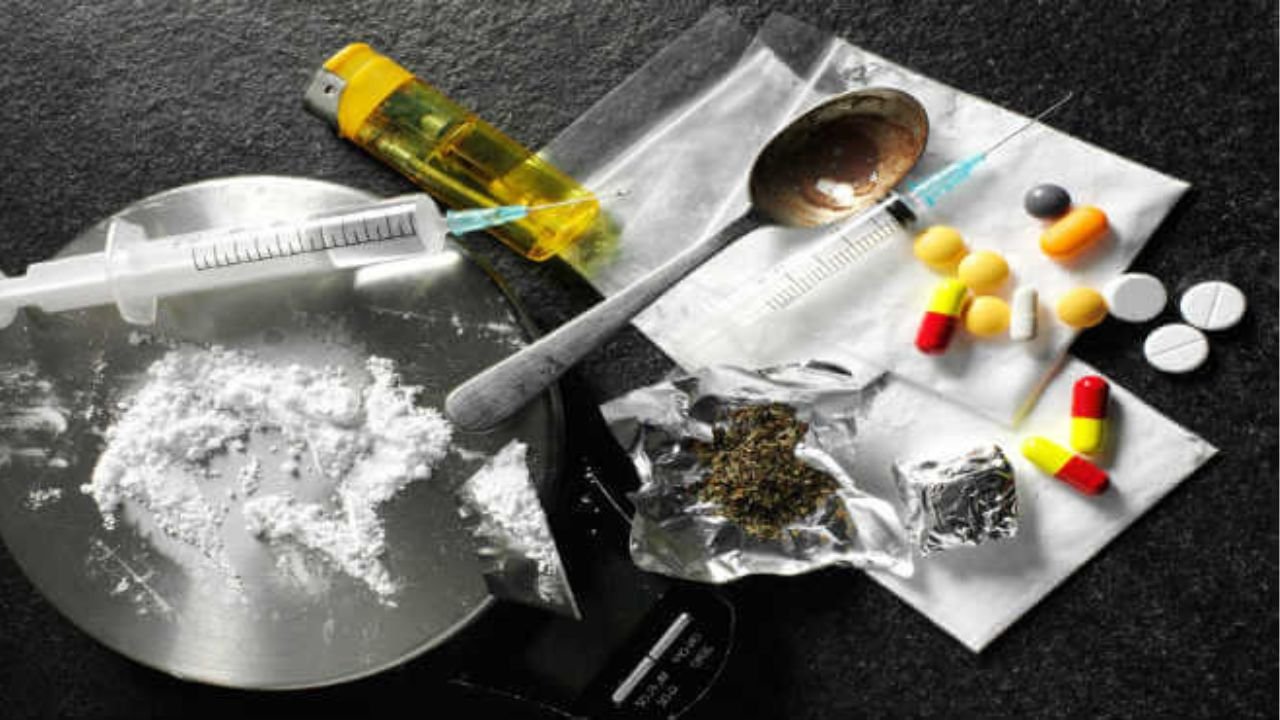

Leh | In response to rising concerns over substance abuse and narcotics trafficking in Ladakh, the Union Territory administration has ordered a large-scale crackdown targeting drug suppliers, traffickers and organised narcotics networks operating in the region. Ladakh Lieutenant Governor Vinai Kumar Saxena has directed law enforcement agencies to adopt a zero-tolerance policy against drug-related crimes, while simultaneously strengthening rehabilitation support systems and public awareness programmes.
The administration has ordered intensified surveillance at key entry points into Ladakh, including Zoji-La and Sarchu, to prevent the smuggling of narcotic substances into the Union Territory. Officials said random checking of vehicles, taxis and transport carriers will now be conducted on a larger scale as part of the anti-drug drive. Authorities have also warned that vehicles found involved in drug transportation or trafficking activities could be impounded.
FCRF’s Flagship Cyber Law Certification Returns With a New Four-Week Cohort
The decision was taken during a high-level meeting held in Leh involving senior government officials, police officers, civil society representatives, religious organisations and non-governmental groups. During the meeting, concern was expressed over what officials described as an alarming rise in substance abuse cases, particularly among young people, minors and women in the region.
Investigators and health authorities informed the administration that the Psychiatry Outpatient Department at SNM Hospital in Leh had registered a significant number of addiction-related cases since April 2025. According to official figures presented during the meeting, the hospital recorded 101 new opioid-related cases along with 237 follow-up cases. In addition, 25 new cannabis-related cases and 15 polysubstance abuse cases were also reported, highlighting the widening scope of addiction concerns in the region.
Officials further revealed that 64 substance abuse patients tested positive for Hepatitis C, raising additional public health concerns linked to intravenous drug use and unsafe consumption practices. Health experts reportedly warned that the growing addiction problem could place serious pressure on Ladakh’s healthcare and social systems if not addressed through coordinated intervention.
The administration has now directed police and local authorities to strengthen monitoring around schools, colleges, hostels and tourist destinations, which are considered vulnerable zones for drug circulation and substance abuse activities. Authorities believe that increased tourism, easier movement routes and the involvement of interstate narcotics networks may be contributing to the spread of illegal substances in the region.
During the discussions, representatives of local social and religious groups also raised concerns about alcohol restrictions and changing substance consumption patterns. Some participants claimed that limited availability of hard liquor in licensed shops may have unintentionally pushed certain individuals towards narcotic substances and synthetic drugs. Mental health specialists attending the meeting also highlighted cases involving alcohol-dependent individuals exhibiting violent or unstable behaviour during withdrawal phases.
In response, the Lieutenant Governor stated that Ladakh’s existing excise policy would be reviewed while ensuring that anti-drug enforcement measures remain strict. Officials clarified that the focus would remain on curbing illegal narcotics trafficking while simultaneously expanding counselling, treatment and rehabilitation support for affected individuals and families.
As part of the broader anti-drug initiative, emergency helpline number 112 will now function as an integrated support platform for counselling, treatment coordination and rehabilitation assistance. Authorities said dedicated response teams consisting of social workers, nurses and support staff would be created to help families dealing with addiction-related issues.
Officials also announced plans to establish separate rehabilitation facilities for women and juveniles. In addition, vocational training and skill development programmes are expected to be introduced for recovering substance abuse patients to support long-term reintegration into society and reduce relapse risks.
The administration further confirmed that a large-scale anti-drug awareness campaign across Ladakh will officially begin on June 1. Awareness drives, workshops and outreach programmes are expected to involve schools, colleges, community groups and religious institutions. According to officials, existing awareness initiatives have already reached more than 16,000 people across the region.
Renowned cyber crime expert and former IPS officer Prof. Triveni Singh said organised criminal networks often exploit remote regions and vulnerable youth populations to expand narcotics distribution channels. He noted that modern trafficking syndicates increasingly use encrypted communication platforms, digital payment systems and layered transportation methods to avoid detection. According to him, coordinated intelligence sharing, surveillance technology and community-based awareness are essential to dismantle such networks effectively.
Authorities said the anti-drug campaign will continue with coordinated enforcement, rehabilitation and public awareness efforts aimed at reducing substance abuse and disrupting narcotics supply chains operating in Ladakh.
