
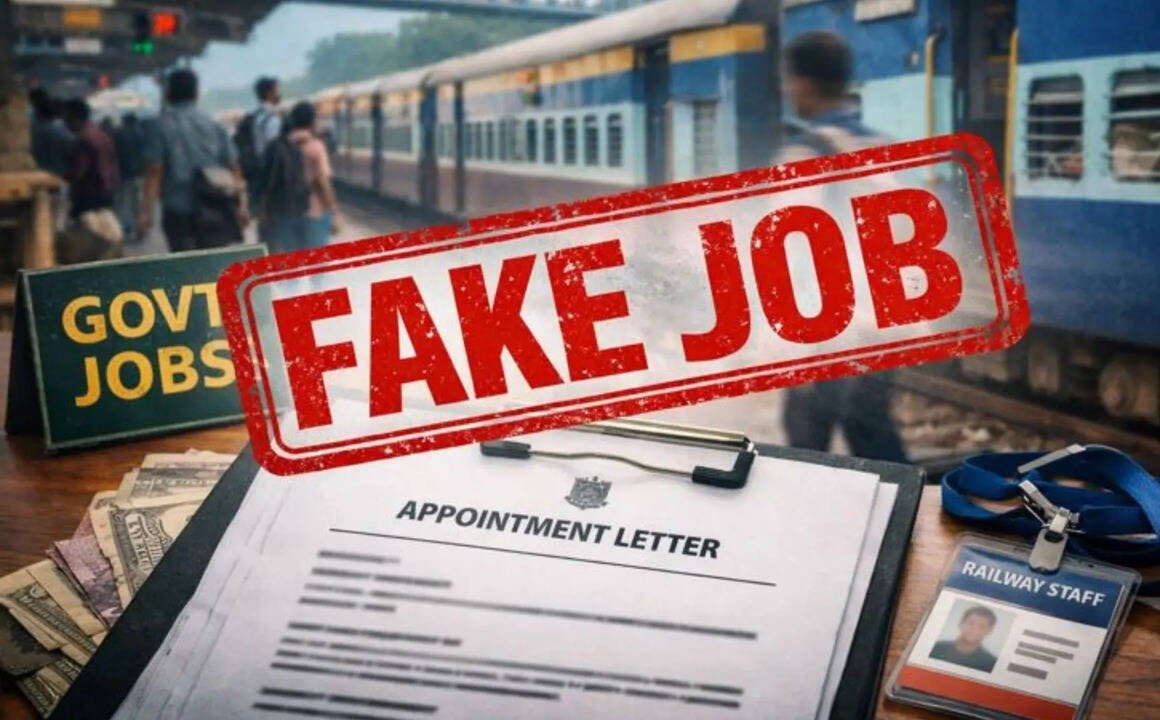
Srinagar. A fresh government job fraud case in south Kashmir has triggered concern over recruitment-related scams targeting unemployed youth. Police in the Tral area have registered a criminal case against a Special Police Officer (SPO) accused of allegedly collecting money from several individuals by promising appointments in the Police Department. Investigators suspect that forged appointment documents, fake assurances and fraudulent claims were used to trap job seekers desperate for government employment.
FCRF Academy Launches Premier Anti-Money Laundering Certification Program
Fake recruitment promises under police probe
According to investigators, the accused has been identified as Inder Paul Singh, a resident of Saimoh area in Tral, south Kashmir. Police said the case was registered after complaints alleged that the accused had taken money from multiple youths on the promise of securing their engagement as SPOs in the Police Department. Authorities have initiated an investigation under relevant provisions of the Bharatiya Nyaya Sanhita dealing with cheating and fraudulent conduct.
The complainant alleged that the accused claimed money was required to complete departmental formalities and ensure recruitment into the Police Department. However, despite allegedly receiving payments, no appointment was provided and the money was reportedly not returned even after repeated demands by the victims. Investigators believe the case may involve more victims than initially reported.
The matter became more serious after allegations surfaced that fake appointment-related documents had also been issued to some individuals. Police suspect that forged appointment letters, fabricated verification papers and fake departmental documents were shown to victims in order to gain their trust. Preliminary findings indicate that the accused may have exploited the desperation of unemployed youths seeking stable government jobs.
Bank records and digital trails examined
Police sources said investigators are now focusing on identifying all alleged victims who may have paid money in connection with the recruitment promises. Authorities are examining bank transactions, mobile phone records, digital communication and document trails as part of the inquiry. Officials believe mobile data, online conversations and financial records could become key evidence in establishing the full extent of the alleged fraud.
Departmental proceedings have also been initiated against the accused official. Investigators are attempting to determine whether the alleged cheating was carried out individually or with the support of others who may have assisted in preparing forged documents or facilitating financial transactions connected to the case.
Cyber and economic crime specialists note that employment-related frauds have increased significantly in recent years, especially in regions where competition for government jobs remains extremely high. Fraudsters often exploit public trust by using fake appointment letters, forged identities, fabricated administrative references and claims of internal departmental connections to convince victims that recruitment offers are genuine.
Job seekers warned against unofficial payments
Renowned cyber crime expert and former IPS officer Prof. Triveni Singh has repeatedly warned that organised fraud networks are increasingly combining document forgery, digital communication and social engineering tactics to target unemployed youths. According to experts, fraudsters often create pressure by claiming that recruitment opportunities are “confidential” or “fast-tracked,” forcing victims to make immediate payments without verification.
Experts say such scams rely more on psychological manipulation than sophisticated technical hacking. Fraudsters exploit emotions linked to job security, stable income and social status associated with government employment. In many cases, money is collected under the pretext of processing charges, verification fees, training expenses or recruitment formalities.
