

Highlighting an aggressive surge in institutional enforcement, newly released data from the National Cyber Crime Reporting Portal (NCRP) has exposed the massive financial scale of India’s ongoing battle against organized digital syndicates.
Among major tech-driven states, Karnataka has successfully frozen a staggering ₹436 crore in siphoned capital across diverse regional banking networks. Meanwhile, Maharashtra has emerged at the top of the nationwide crackdown, demonstrating the highest absolute performance indicators in tracking transaction registries and freezing fraudulent multi-state mule pipelines.
The consolidated enforcement data highlights a critical shift in how state cyber cells intercept online syndicates. By focusing heavily on the tracking of immediate transaction trails within the first few hours of a reported crime, enforcement teams are increasingly neutralizing illicit banking chains before the funds can be moved to offshore destinations or converted into digital assets.
Registration Begins for FutureCrime Summit 2026, India’s Largest Cybercrime Conference
The Anatomy of Inter-State Data Matching
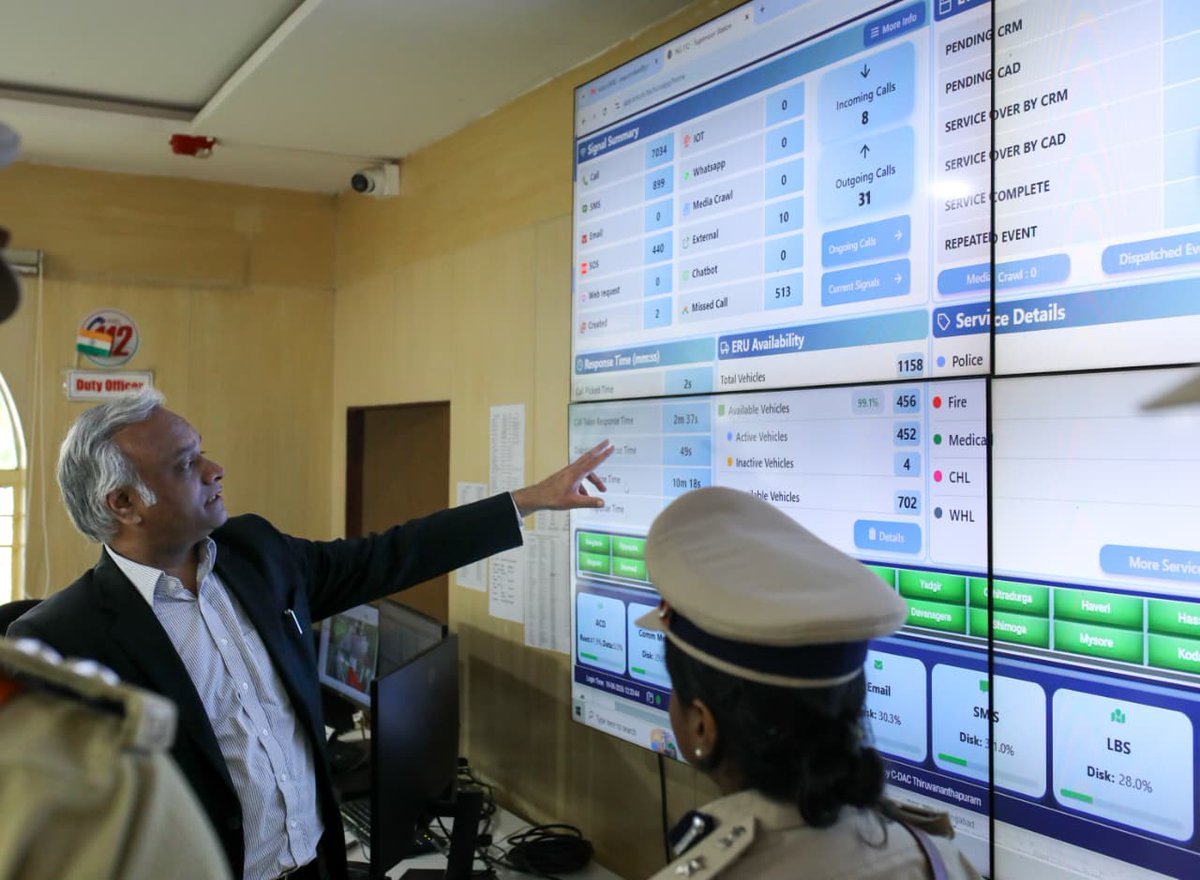
The multi-agency reporting system relies on a unified tracking dashboard managed by the Indian Cyber Crime Coordination Centre (I4C). When a victim logs an emergency complaint from any corner of the country, the digital signature of the beneficiary account is flashed across an inter-linked network of private and public sector banking nodes.
The National Cyber Crime Reporting Portal fast-track freezing model follows a precise structural timeline. The workflow begins with the signal intake stage, where an emergency complaint instantly logs crucial fraud coordinates directly onto the central portal. This triggers the node matching phase, enabling the core system to map corresponding transit accounts across multiple states in real time. Finally, the target freeze mechanism issues an instant administrative block to preserve the remaining fund balances before they can be siphoned further.
This structural matching system has revealed that a substantial portion of the fraudulent funds entering Karnataka’s tech corridors is instantly routed through secondary proxy layers based in neighboring industrial zones. By analyzing the movement of these siphoned capitals, the Karnataka Cyber Crime Wing managed to isolate and intercept hundreds of commercial current accounts that were being used as high-capacity conduits for deceptive stock trading applications, fake part-time job rackets, and digital arrest scams.
Maharashtra’s Strategic Enforcement Dominance
The enforcement run achieved by Maharashtra is largely credited to the state’s specialized cyber node structure, which integrates field investigators directly with financial tech analysts and forensic auditors. Maharashtra’s multi-layered approach has allowed the state to lead the national charts in total asset containment, effectively blocking the downstream redistribution of stolen capital by initial access brokers and offshore syndicate heads.
A major operational challenge highlighted by the new data involves the legal and administrative complexities of managing frozen accounts. Because a single compromised mule account often handles siphoned capital from victims spanning five or six different states, regional police units must maintain constant communication to prevent overlapping claims. Additionally, standard corporate compliance procedures are being tightened across major banking hubs, with enforcement agencies pushing for strict automated parameters to flag high-velocity, short-term transaction volumes in newly registered current accounts.
Advanced Remediation and Recovery Protocols
Following these extensive account containment operations, the focus of state cells is transitioning toward the legal recovery phase. Authorities are working closely with regional judicial magistrates to expedite the release of frozen capital back to verified victims. Legal experts note that while freezing assets provides an immediate defense block, returning the funds requires a rigorous validation of transaction logs to establish clear ownership lines.
To strengthen baseline public defense, cybersecurity analysts continue to urge individual consumers to exercise extreme caution when interacting with unauthorized financial groups on platforms like WhatsApp or Telegram. As inter-state enforcement frameworks become more agile, maintaining high digital literacy among corporate employees and individual retail banking users remains the most critical pillar for minimizing systemic financial losses nationwide.
