
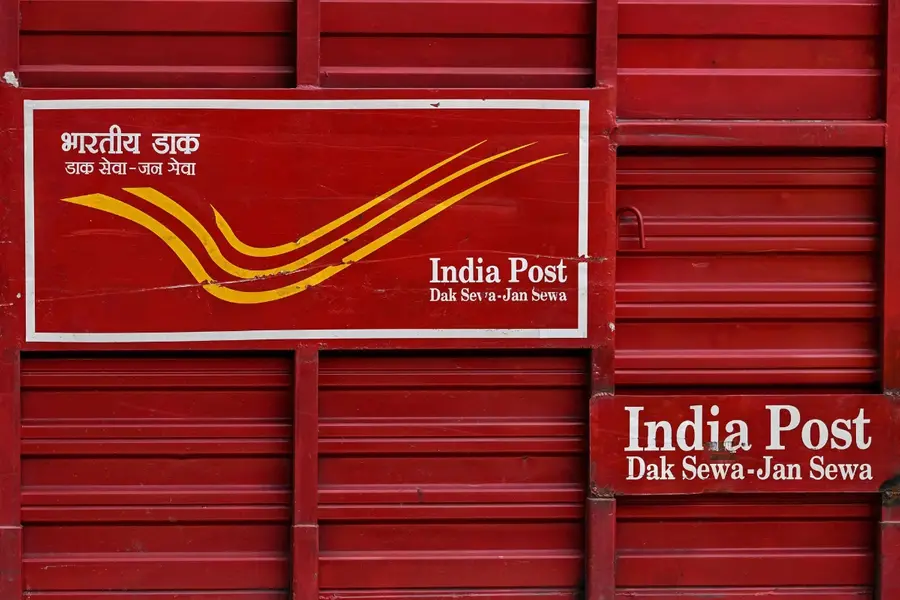

New Delhi — A widely circulated online message promising free gifts to mark the 170th anniversary of India Post has been declared fraudulent by government authorities, as officials move to contain what they describe as a coordinated disinformation campaign.
The message, which has appeared across social media platforms and messaging applications, claims to offer rewards through a “lucky draw” purportedly organized by India Post. Users are directed to click on links and submit personal information to participate.
Authorities say the campaign exploits the credibility and public recognition of India Post, one of the country’s oldest and most trusted institutions, to lend legitimacy to the scheme.
FCRF Launches Premier CISO Certification Amid Rising Demand for Cybersecurity Leadership
Official Denials and Fact-Checking Intervention
The Press Information Bureau (PIB) Fact Check unit, along with official India Post communication channels, has issued a clear denial of any such promotion.
In a public statement shared on social media platform X, officials said the viral claims were false and unrelated to any official initiative. “A #fake lucky draw is luring people into providing their personal information by offering free gifts in the name of @IndiaPostOffice,” the statement read, adding that the scheme is a scam and not associated with India Post.
A #fake lucky draw is luring people into providing their personal information by offering free gifts in the name of @IndiaPostOffice#PIBFactCheck
⚠️It is a #Scam & is not related to India Post
✔️Be cautious! Refrain from clicking on such suspicious links pic.twitter.com/mcmwbx4d22
— PIB Fact Check (@PIBFactCheck) March 29, 2026
Officials emphasized that India Post is not conducting any lottery, giveaway, or promotional campaign tied to its anniversary. The clarification came amid growing concerns that unsuspecting users may be misled into sharing sensitive data.
Anatomy of the Scam
Investigators and officials describe the campaign as a typical phishing operation designed to collect personal and potentially financial information under the guise of a legitimate offer.
Victims are often directed to websites that mimic official branding or messaging styles. Once engaged, users may be asked to provide details such as names, phone numbers, and, in some cases, banking credentials or verification codes.
Such tactics are consistent with broader trends in cyber fraud, where attackers leverage trusted institutions or current events to increase the credibility of fraudulent schemes. The use of a milestone anniversary — in this case, 170 years of India Post — appears to be a calculated attempt to align the scam with a plausible narrative.
Public Advisory and Preventive Measures
Authorities have urged citizens to remain vigilant and exercise caution when encountering unsolicited messages or offers online. They recommend verifying any promotional claims through official India Post websites or verified social media accounts before taking action.
Officials also advised against clicking on unfamiliar links, downloading applications from unknown sources, or sharing sensitive information such as bank account details, passwords, or one-time passwords (OTPs).
In cases of doubt, individuals are encouraged to contact India Post’s official customer support channels directly to confirm the authenticity of any communication.
The advisory reflects a broader effort by government agencies to counter digital fraud campaigns that rely on deception and rapid online dissemination, often targeting large numbers of users in a short period.
