

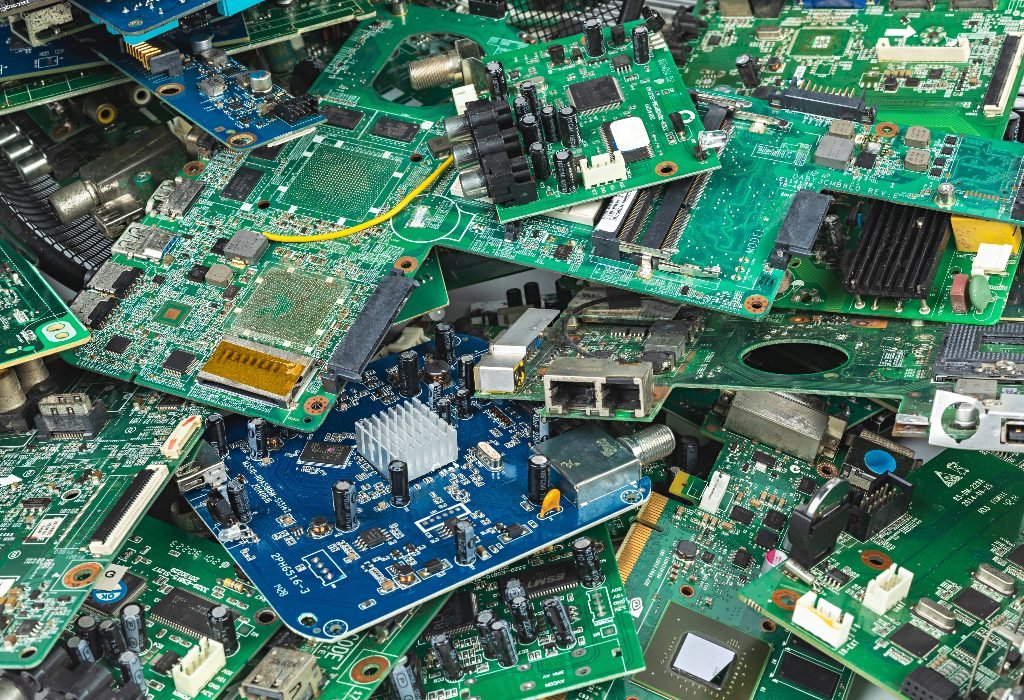

NEW DELHI — Rapidly expanding consumption of digital hardware and consumer appliances across India is mounting severe pressure on national recycling infrastructure, as millions of tonnes of discarded gadgets continue to feed unsafe informal dismantling networks. According to data attributed to the Central Pollution Control Board, official e-waste generation reached approximately 1.398 million metric tonnes in the financial year 2024–25 and rose to around 1.415 million metric tonnes in 2025–26. However, broader independent assessments place actual annual generation between 4.5 million and 5.5 million metric tonnes, highlighting a vast disparity largely driven by unrecorded transactions across domestic scrap markets. While institutional facilities report significant recycling volumes in states such as Uttar Pradesh, Telangana, and Haryana, substantial volumes of discarded electronics still bypass formal processing chains, compounding occupational risks and toxic contamination across key industrial belts.
Generation Hubs and Dismantling Clusters
The geography of domestic electronic scrap is split between major urban centres of consumption and established regional processing clusters. Commercial operations, corporate headquarters, and high-density residential populations in Mumbai, Pune, and Delhi-NCR generate a continuous stream of end-of-life laptops, mobile handsets, and office equipment. In southern industrial corridors, Bengaluru produces substantial volumes of enterprise hardware, discarded servers, and data centre components, while Chennai and Hyderabad contribute significant quantities of manufacturing-related electronic scrap.
Once discarded, large volumes move into extensive informal networks centred in Seelampur in Delhi, Moradabad and Meerut in Uttar Pradesh, and Dharavi and Kurla in Mumbai. In Seelampur, workers manually dismantle complex devices, separating reusable components and burning wire sheaths to retrieve copper, a method that releases dense toxic fumes into surrounding neighbourhoods. In Moradabad, circuit boards undergo chemical baths to extract copper and precious metals, raising acute concerns over untreated effluents leaching into local soil and nearby aquatic channels like the Ramganga River. Similar hazards persist in Meerut and Mumbai, where manual segregation of industrial scrap and improper breaking of cathode-ray tube displays routinely expose workers to hazardous heavy metals.
Import Incursions and Regulatory Constraints
Domestic generation is compounded by the persistent risk of foreign electronic waste entering Indian territory under deceptive trade descriptions. India’s hazardous waste framework strictly bans the commercial import of e-waste for final disposal, permitting only regulated imports of functional second-hand goods or essential replacement parts under specific approvals. Despite oversight from the Customs Department and the Directorate of Revenue Intelligence, consignments of unusable equipment are periodically misdeclared as mixed-metal scrap, charitable donations, or goods intended for refurbishment.
Within regulated recycling channels, accredited facilities use mechanical separation, controlled thermal treatment, and hydrometallurgical processes to recover copper, gold, silver, and palladium while safely containing lead, mercury, and cadmium. In contrast, informal workshops lack basic safety gear, exhaust filtration, and effluent treatment systems. Although the statutory Extended Producer Responsibility framework mandates that electronics producers register with the Central Pollution Control Board and meet fixed recycling quotas through authenticated certificates, enforcement agencies face persistent challenges in preventing leakage into the unmonitored scrap trade.
Pathway to Integration and Safe Recovery
Environmental regulators and industry analysts increasingly recognise that punitive measures alone cannot eradicate unorganised dismantling. Thousands of livelihoods in hubs like Seelampur and Moradabad depend directly on scrap collection, making formal integration, targeted technical training, provision of personal protective gear, and structured healthcare support essential components of long-term reform.
Bridging the divide between scrap dealers and authorised recyclers would allow valuable materials to be recovered efficiently while eliminating hazardous open-air burning and acid extraction. Regulatory authorities are simultaneously working to refine digital tracking across transport routes, tighten container inspections at seaports, and verify whether compliance paperwork reflects genuine physical recycling. On the consumer front, institutional drives are pushing households and businesses to direct old mobile phones, computers, and batteries to authorised collection points, ensuring hazardous components enter formal circular supply chains rather than urban dumpsites.
Follow for daily updates on cybercrime, corporate fraud, DFIR, hacking, investigations, and digital forensics
