

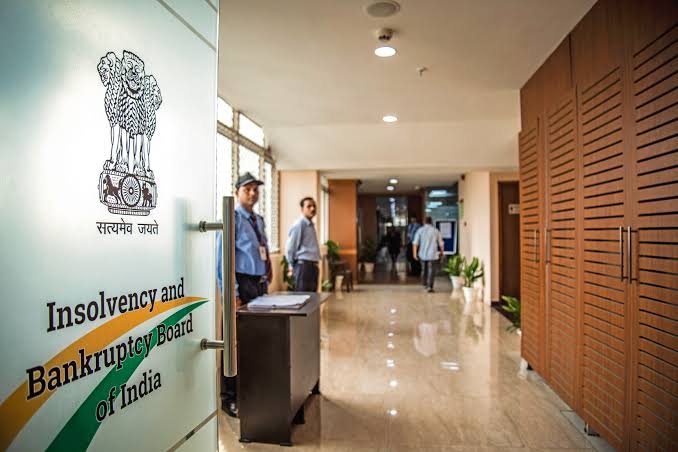

India’s bankruptcy regulator has cancelled the registrations of 207 insolvency professionals in the June quarter after they failed to continue meeting the “fit and proper” requirement, marking its biggest such clean-up since the Insolvency and Bankruptcy Board of India was established in 2016.
The action has brought the number of registered insolvency professionals down to 4,359 at the end of June, even as eight new professionals entered the system during the quarter.
The scale is striking. Only 28 insolvency professionals had previously lost their registrations specifically on fit-and-proper grounds since IBBI was set up, according to official data reported by Mint.
Proposal for Conducting Cyber Crisis Drill, Tabletop Exercise (TTEx) & CCMP Readiness Exercise
Why the regulator removed 207 professionals
An insolvency professional is required to remain “fit and proper” throughout the period of registration.
The test goes beyond professional qualifications. IBBI considers factors such as integrity, reputation, character, competence, financial solvency and the absence of convictions or regulatory restraint orders.
That continuing requirement matters because insolvency professionals can exercise enormous influence over companies undergoing resolution.
Once appointed, they may take charge of management functions, verify creditor claims, handle sensitive financial information and assist the Committee of Creditors while a buyer or resolution plan is being selected.
Their role can affect banks, employees, suppliers, homebuyers and investors.
IBBI therefore expects professionals to maintain independence, impartiality, confidentiality and high ethical standards throughout the insolvency process.
The latest cancellations do not automatically mean that all 207 professionals committed fraud or corruption.
The regulatory ground is failure to continue satisfying the fit-and-proper test, and the circumstances behind individual cancellations can differ.
Clean-up comes amid wider scrutiny of insolvency professionals
The action comes as IBBI increases scrutiny over how insolvency proceedings are being conducted.
The regulator has repeatedly stressed that professionals handling distressed companies must remain independent and must not allow the Insolvency and Bankruptcy Code to be misused.
It recently issued fresh guidance asking insolvency professionals to conduct due diligence where there are signs that the IBC framework may be used for improper purposes.
The profession has also come under attention from investigative agencies.
Earlier this year, the Enforcement Directorate arrested an insolvency professional who had handled the corporate insolvency resolution process of Richa Industries. The agency alleged that he had benefited from proceeds of crime.
In another investigation, the ED arrested an insolvency professional associated with the corporate insolvency resolution processes of Homestead Infrastructure Development and Golden Peacock Residence.
Those cases are separate from the 207 registration cancellations.
But together they explain why regulators are putting greater emphasis on integrity and conflict-of-interest checks within the insolvency ecosystem.
Why insolvency professionals hold so much power
The Insolvency and Bankruptcy Code was designed to resolve financially distressed companies within a structured and time-bound system.
Insolvency professionals sit at the centre of that process.
They can gain access to company accounts, contracts, assets, creditor details and other commercially sensitive records. They also coordinate meetings of creditors and play an important role in keeping the company functioning during resolution.
That makes professional independence critical.
If the person managing the process has an undisclosed conflict, lacks integrity or favours one stakeholder, the credibility of the entire resolution process can suffer.
India’s insolvency system has already handled thousands of corporate cases and assets worth several lakh crore.
This means even misconduct involving a small number of professionals can have consequences far beyond the individual practitioner.
Mass cancellations also create a capacity challenge
The clean-up strengthens regulatory discipline, but it also creates a practical problem.
India still has a relatively small pool of experienced insolvency professionals compared with the number and complexity of cases entering the system.
At the end of June, the registered pool stood at 4,359.
Chartered accountants make up the largest share of the profession, while advocates, company secretaries, cost accountants and experienced management professionals also operate as insolvency professionals.
Removing professionals who fail regulatory standards is necessary.
But the system must also ensure enough qualified and experienced people remain available to manage increasingly complex resolutions.
That balance will become more important as IBC cases involving real estate, large corporate groups and complicated creditor structures continue to enter tribunals.
The latest action sends a clear message that obtaining an IBBI registration is not enough.
Professionals must continue meeting the regulator’s standards for as long as they remain part of the insolvency ecosystem.
What this means for you: If you are a creditor, homebuyer, employee or investor involved in an insolvency case, you can check the registration and disciplinary status of the insolvency professional handling the matter through IBBI’s official records. Their regulatory status can directly affect how the resolution process proceeds.
The420 Insight: The cancellation of 207 registrations is significant because IBBI is treating professional integrity as a continuing obligation rather than a one-time entry requirement. The real challenge now is maintaining strict standards without weakening the pool of experienced professionals needed to run India’s insolvency system.
Follow for daily updates on cybercrime, corporate fraud, DFIR, hacking, investigations, and digital forensics
