
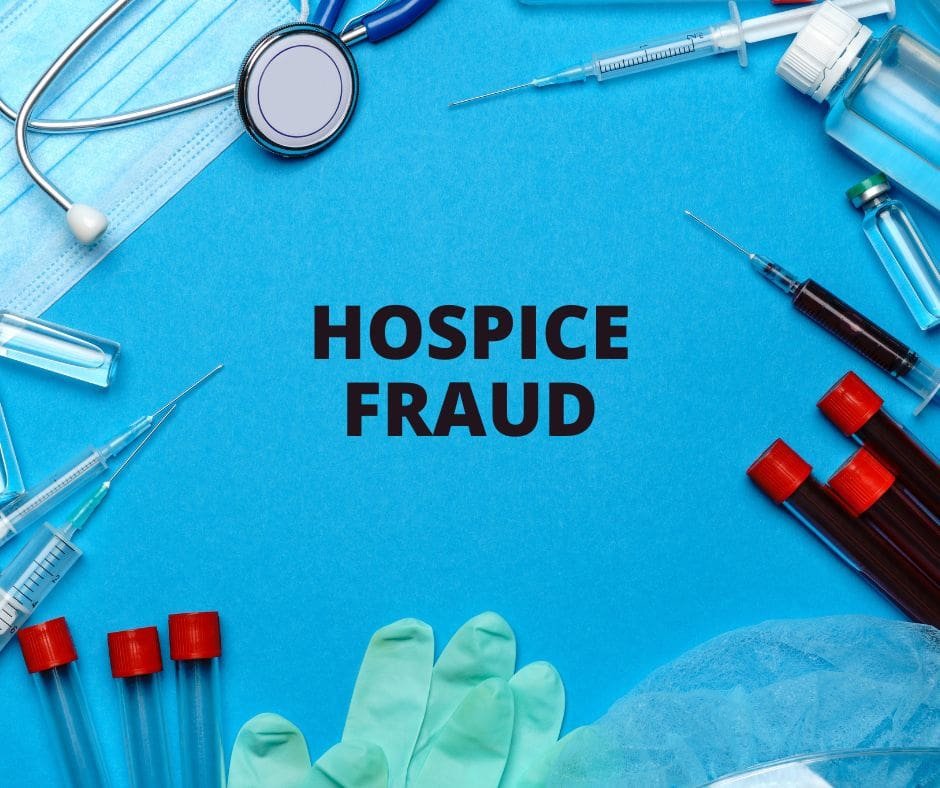
A disturbing wave of fraud in the hospice care sector—meant to provide end-of-life support—has emerged as a multi-billion dollar crisis, raising serious concerns about transparency and accountability in the healthcare system. With a rapidly aging population and significant government funding flowing through programs, fraudsters are increasingly exploiting systemic loopholes to siphon off huge sums of money.
Investigations and reports indicate that scammers are misusing patient identities. They are enrolling individuals into hospice care programs without their knowledge. In several cases, fraudulent billing has been carried out for services that were never delivered. More alarmingly, patients who do not even qualify for hospice care are being falsely registered. Thereby, allowing operators to claim payments under government-backed healthcare schemes.
FCRF Academy Launches Premier Anti-Money Laundering Certification Program
California Emerges as Major Fraud Hotspot
The state of California has emerged as a major hotspot for such fraudulent activities. Despite previous investigations and media exposés, meaningful regulatory reforms have remained limited. The issue has now drawn attention at the federal level as well, with concerns being raised over a broader failure of oversight mechanisms across both state and national systems.
During a recent congressional hearing, Sheila Clark, president and CEO of the California Hospice and Palliative Care Association, emphasized that the crisis extends beyond a single state. She stated that the problem reflects weaknesses in Medicare program integrity and a lack of effective coordination between state and federal authorities. According to her, these gaps have enabled unscrupulous operators to thrive in what was once a compassionate, community-driven service sector.
Fraud Leaves Victims Without Critical Coverage
The human cost of this fraud is equally alarming. In one case presented before lawmakers, a victim revealed that they were denied Medicare coverage for a minor injury because they had unknowingly been enrolled in hospice care by fraudsters. Such incidents highlight how deeply these fraudulent practices are impacting ordinary citizens, particularly the elderly and their families during already vulnerable moments.
Experts point out that lack of accessible and reliable information about hospice providers further complicates the issue. Public databases often fail to provide clear and comprehensive details. Thus, making it difficult for families to evaluate the credibility of service providers. Smaller and private hospice organizations, in particular, tend to operate with limited scrutiny, increasing the risk of malpractice.
Experts Urge Families to Verify Providers
Jennifer Moore Ballentine, a healthcare expert, noted that public awareness about hospice care remains significantly low compared to other everyday services. This lack of understanding creates an environment where fraudsters can easily mislead families. She advised that individuals should thoroughly verify a provider’s track record, experience, and operational history before making any decisions.
Analysts also highlight a structural shift in the hospice industry—from non-profit, community-based models to profit-driven enterprises—as a contributing factor behind the surge in fraud cases. While not all for-profit entities are problematic, non-profit organizations generally maintain a stronger reputation for ethical practices and patient care. Longevity of service, especially providers operating for over 15 years, is often considered a key indicator of reliability.
Real-life experiences shared by families further underscore the risks involved. Some reported instances where inadequate or delayed care from fraudulent providers led to unnecessary suffering for patients. Conversely, switching to a credible hospice service ensured compassionate care and dignity in a patient’s final days, illustrating the stark contrast in outcomes.
Online Reviews Can Offer Warning Signs
In today’s complex healthcare environment, selecting the right hospice care provider has become a challenging task. Many families now turn to online reviews and feedback platforms to gather insights, although such sources can be subjective. Still, recurring complaints about unfulfilled services serve as warning signs that should not be ignored.
This growing crisis serves as a stark reminder that vigilance and informed decision-making are crucial, especially in emotionally sensitive situations.
Follow for daily updates on cybercrime, corporate fraud, DFIR, hacking, investigations, and digital forensics
