
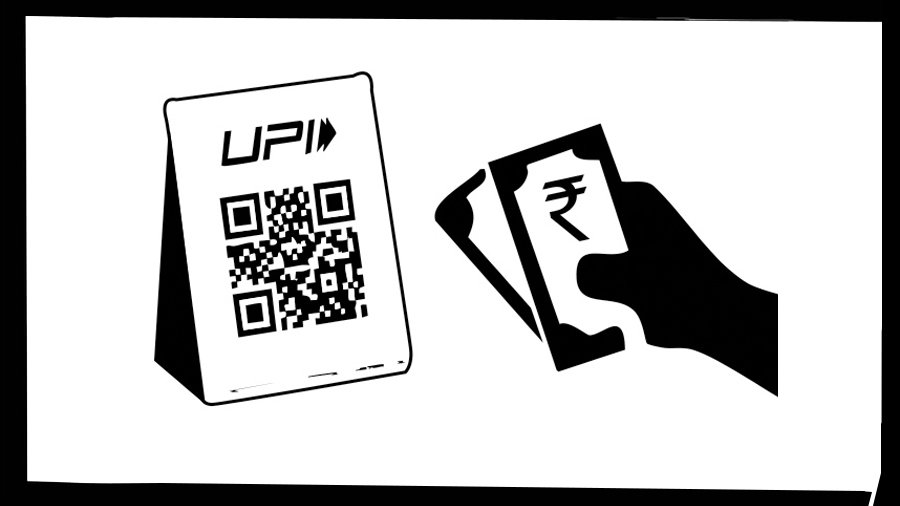
Ghaziabad traders have put up notices warning that UPI payments above ₹2,000 may not be accepted from October 15.
Why are traders putting up notices?
Shopkeepers in Ghaziabad have begun displaying notices asking customers to prepare for possible changes in payment options. The notices state that “UPI Payment Will Not Be Accepted” as traders protest a proposed Merchant Discount Rate on selected person-to-merchant UPI transactions.
Traders are concerned about a proposed 0.4 per cent charge and say they may be unwilling to absorb the additional cost. Some are advising customers to carry cash from October 15, particularly for purchases exceeding ₹2,000.
The government, however, has said the proposed MDR would be paid by merchants rather than customers.
Proposal for Conducting Cyber Crisis Drill, Tabletop Exercise (TTEx) & CCMP Readiness Exercise
Which UPI payments would face MDR?
Under the proposed framework, a 0.4 per cent MDR would apply to specified person-to-merchant, or P2M, UPI transactions above ₹2,000.
The charge would be borne by the merchant and not the customer. It would be capped at ₹300 for transactions of ₹75,000 and above. Transactions between individuals would continue to remain free.
P2M transactions of up to ₹2,000, which account for more than 95 per cent of transaction volume, would continue to have zero MDR. A customer making a ₹1,500 purchase through UPI, for instance, would not face the proposed charge.
Could customers end up paying more?
The Centre’s concern is that merchants could add a separate UPI charge to bills if they decide to pass on the cost. This could create the impression among customers that UPI payments are no longer free.
The government has therefore begun discussions with payment aggregators and other platforms to ensure that the MDR is not transferred to consumers. Banks have also been advised to ensure merchants do not pass the cost on to customers.
However, the government has not publicly explained how the proposed daily monitoring of this arrangement would be carried out.
Will UPI users move back to cash?
The government does not expect the proposed levy to cause a major shift from UPI to cash, with officials estimating that around 4 per cent of UPI transaction volume would be affected.
NPCI data cited for August shows that 86 per cent of P2M UPI transactions were below ₹500, while another 10 per cent were between ₹501 and ₹2,000. The proposed MDR would therefore mainly affect a relatively small proportion of higher-value merchant payments.
RuPay debit card payments would also remain free regardless of the transaction amount, providing another digital payment option for merchants and customers.
What are Ghaziabad traders worried about?
The proposed MDR has emerged as a major concern among traders and shopkeepers in Ghaziabad. Their notices effectively warn customers that UPI could stop being accepted for some higher-value purchases if the proposed charge takes effect.
Traders argue that merchants may not want to absorb the additional expense and could instead ask customers making larger purchases to pay in cash.
The notices reflect resistance to the proposed merchant charge even as the government maintains that consumers should not bear it. For customers, the immediate concern is whether shops will continue accepting UPI for purchases above ₹2,000 once the proposed framework comes into effect.
Follow for daily updates on cybercrime, corporate fraud, DFIR, hacking, investigations, and digital forensics
