
Follow us on Google News

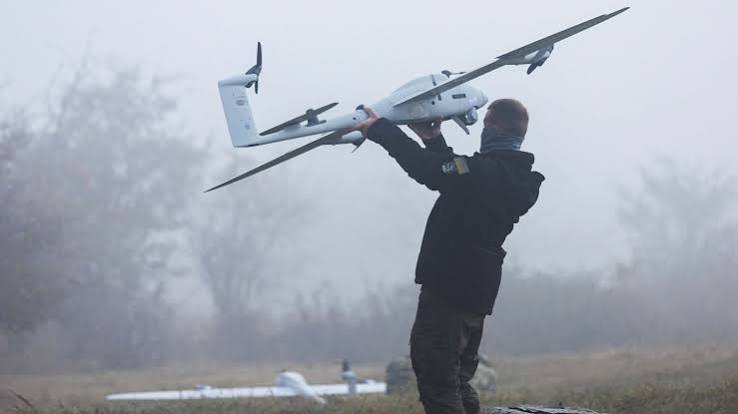
German defence technology company Quantum Systems has confirmed that its drones operated by Germany’s armed forces have resumed flying after being grounded as a precaution following a cyberattack on the company in October.
The incident temporarily disrupted military operations and prevented the manufacturer from participating in a recent exercise with the Bundeswehr, Germany’s armed forces.
Quantum Systems said its cybersecurity teams contained the attack in cooperation with authorities and that its unmanned aircraft were operating normally worldwide. The incident, however, has highlighted the growing security risks facing defence manufacturers whose software and technology support critical military operations.
FCRF’s Chief AI Officer Certification Returns on November 14 to Prepare Future AI Leaders
Cyberattack Targets Drone Mission-Planning Infrastructure
Quantum Systems disclosed on November 12 that it had identified suspicious activity within its systems towards the end of October.
An internal investigation established that the company was facing an active cyberattack. Its information technology and cybersecurity teams subsequently took measures to contain the intrusion and informed the relevant authorities.
According to separate reporting by the Financial Times, the incident involved a malicious software update distributed through a server associated with QBase, the company’s ground-control and mission-planning software.
QBase allows operators to prepare drone missions and manage aspects of their aircraft’s operations. Such software forms an important link between military personnel and the unmanned systems they deploy.
The German military temporarily grounded Quantum Systems drones following the discovery of the attack.
The precautionary suspension also prevented the manufacturer from participating in a recent military exercise.
On Friday, Quantum Systems confirmed that the affected drones had returned to service. The company said Germany’s armed forces were the only customer to suspend operations following the incident.
The manufacturer maintained that the nature of the attack and the measures implemented by its security teams meant that operating its unmanned systems did not pose a risk to users.
The German military had not immediately issued an independent confirmation of the resumption of operations.
How Software Supply Chain Attacks Can Disrupt Military Operations
The incident demonstrates how cyberattacks targeting a technology supplier can affect organisations using its products, even when their own computer networks have not been directly compromised.
A software supply chain attack occurs when criminals interfere with the development, distribution or maintenance of software used by other organisations.
Rather than attempting to attack every customer individually, an intruder may target a central system responsible for distributing software or updates.
If malicious code is introduced into an apparently legitimate update, it could potentially reach several customers through a trusted distribution channel.
In the defence sector, the consequences can extend beyond data theft or financial losses.
Military personnel depend on reliable software to prepare missions, process intelligence and manage sophisticated equipment. Uncertainty about the integrity of that software may be sufficient to justify temporarily withdrawing equipment from service.
However, the Quantum Systems investigation has not established that attackers gained control of drones in flight, accessed military intelligence or altered operational flight instructions.
The specific purpose of the malicious software and the extent of its distribution remain under investigation.
Ukraine Operations Bring Greater Security Scrutiny
Quantum Systems, headquartered in Gilching near Munich, develops unmanned aircraft and autonomous systems for defence, security and civilian applications.
Its products include reconnaissance drones used to gather information and monitor operational areas.
The company has also become an important supplier of drone technology to Ukraine, where unmanned aircraft play a significant role in military operations.
In October, Quantum Systems signed an agreement to supply Ukraine with jet-powered interceptor drones designed to counter aerial threats.
The manufacturer has more than 200 employees in Ukraine and has established joint ventures involving the production of attack drones, interceptors and unmanned ground vehicles.
In its security statement, Quantum Systems said European defence companies supporting Ukraine had faced persistent cyberattacks because of their strategic importance.
Nevertheless, the company has not publicly identified the perpetrators of the October intrusion or established that a particular government was responsible.
It also remains unclear whether the incident affected its operations in Ukraine or any other defence manufacturers.
The investigation is continuing with assistance from government authorities and internal and external cybersecurity specialists.
Defence Suppliers Face Growing Risks From Compromised Software
Earlier cybersecurity incidents have demonstrated the potential consequences of attacks targeting technology suppliers.
The SolarWinds attack, discovered in 2020, involved malicious code inserted into software updates distributed by the American technology company. The compromised updates enabled attackers to reach several US government agencies and private organisations.
The incident prompted authorities and businesses to reconsider how they verify software updates and monitor the security of external technology providers.
The Quantum Systems attack is a separate investigation, and there is no established connection between the perpetrators or their methods.
However, both incidents illustrate why organisations cannot rely solely on the security of their own internal networks.
For India, where military modernisation increasingly involves domestically developed and imported unmanned systems, the incident offers a relevant security lesson.
Defence procurement must consider not only the operational capabilities of equipment but also the integrity of its supporting software, update mechanisms and technology suppliers.
A manufacturer may produce sophisticated and reliable aircraft, but a security incident affecting its digital infrastructure can still disrupt military readiness.
What This Means For You:
Organisations operating drones or other critical equipment should verify the security of software updates, restrict unnecessary access to control systems and establish clear procedures for responding to supplier breaches. Defence contractors should maintain independent security checks and promptly disclose incidents that could affect operational readiness.