
Stay ahead with our breaking stories and exclusive coverage prioritized on Google.
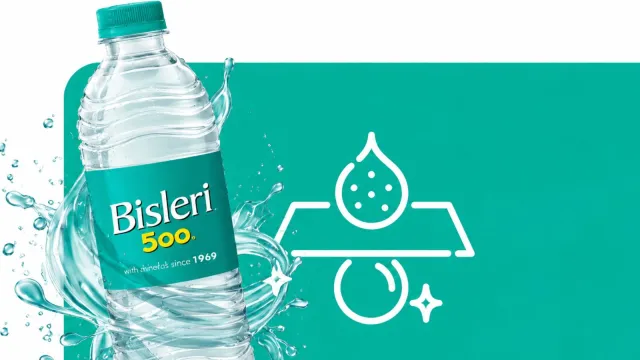
Add The420 on Google →FSSAI has sanctioned another prosecution against Bisleri after coliform bacteria were detected in a West Bengal water sample.
What Did the Laboratory Tests Reveal?
The Food Safety and Standards Authority of India (FSSAI) has sanctioned prosecution against Bisleri International after a packaged drinking water sample collected from its West Bengal facility failed laboratory testing. The sample tested positive for coliform bacteria, raising concerns about compliance with prescribed food safety standards.
The sample was collected from the company’s plant in Telipara village in Jalpaiguri district. According to the reported findings, both primary and referral laboratories confirmed the presence of coliform bacteria. Such bacteria can enter water supplies through sewage leaks, damaged pipelines and other contamination pathways. Following the findings, FSSAI prohibited the sale of the specific affected batch on August 12, 2026.
FCRF Launches Certified Chief Risk Officer (CRO) Program for India’s Risk Leaders
Why Is Bisleri Facing Another Case?
The latest prosecution sanction follows an earlier regulatory action involving a Bisleri sample collected from Goa. FSSAI had declared that sample unsafe after laboratory testing identified non-compliance with prescribed bromate limits and the detection of polynuclear aromatic hydrocarbons (PAHs).
The Goa sample was also examined by a referral laboratory following an appeal by Bisleri. The laboratory classified it as unsafe because of the presence of PAHs. The regulator subsequently announced stricter surveillance of packaged drinking water products across the country, including samples from Bisleri, PepsiCo and Coca-Cola.
What Has Bisleri Said?
Bisleri has maintained that its packaged drinking water is safe for consumption and that product safety remains a priority. The company said its manufacturing process incorporates more than 90 quality checks across 10 stages and that it would continue cooperating with FSSAI through the regulatory process.
Addressing the Goa findings, the company said a sample collected from its facility last year contained 12 micrograms of bromate per litre, exceeding the permitted limit of 10 micrograms per litre. However, Bisleri maintained that subsequent independent tests arranged by the company found bromate levels within the prescribed limit.
How Is FSSAI Responding?
The regulator has intensified surveillance and enforcement measures concerning packaged drinking water and other food products. FSSAI Chief Executive Officer Rajit Punhani said the authority was collecting packaged water samples nationwide, with laboratory testing expected to be completed within one to two months. The expanded monitoring forms part of wider enforcement action against food business operators and e-commerce companies. Punhani emphasised that the objective was to ensure regulatory compliance rather than create public panic.
The developments come as packaged drinking water remains a significant consumer market in India. Bisleri competes with established brands including PepsiCo’s Aquafina and Coca-Cola’s Kinley. India’s packaged drinking water market was valued at approximately $3.6 billion in 2025, according to market estimates cited in the report.
The latest action places renewed attention on laboratory testing, manufacturing quality controls and regulatory oversight of packaged drinking water. While Bisleri has defended its safety procedures, FSSAI’s prosecution sanctions concern samples that authorities found failed prescribed standards.
The regulatory proceedings also highlight the importance of independent laboratory examinations in determining whether packaged water products comply with applicable food safety requirements.