
Stay ahead with our breaking stories and exclusive coverage prioritized on Google.
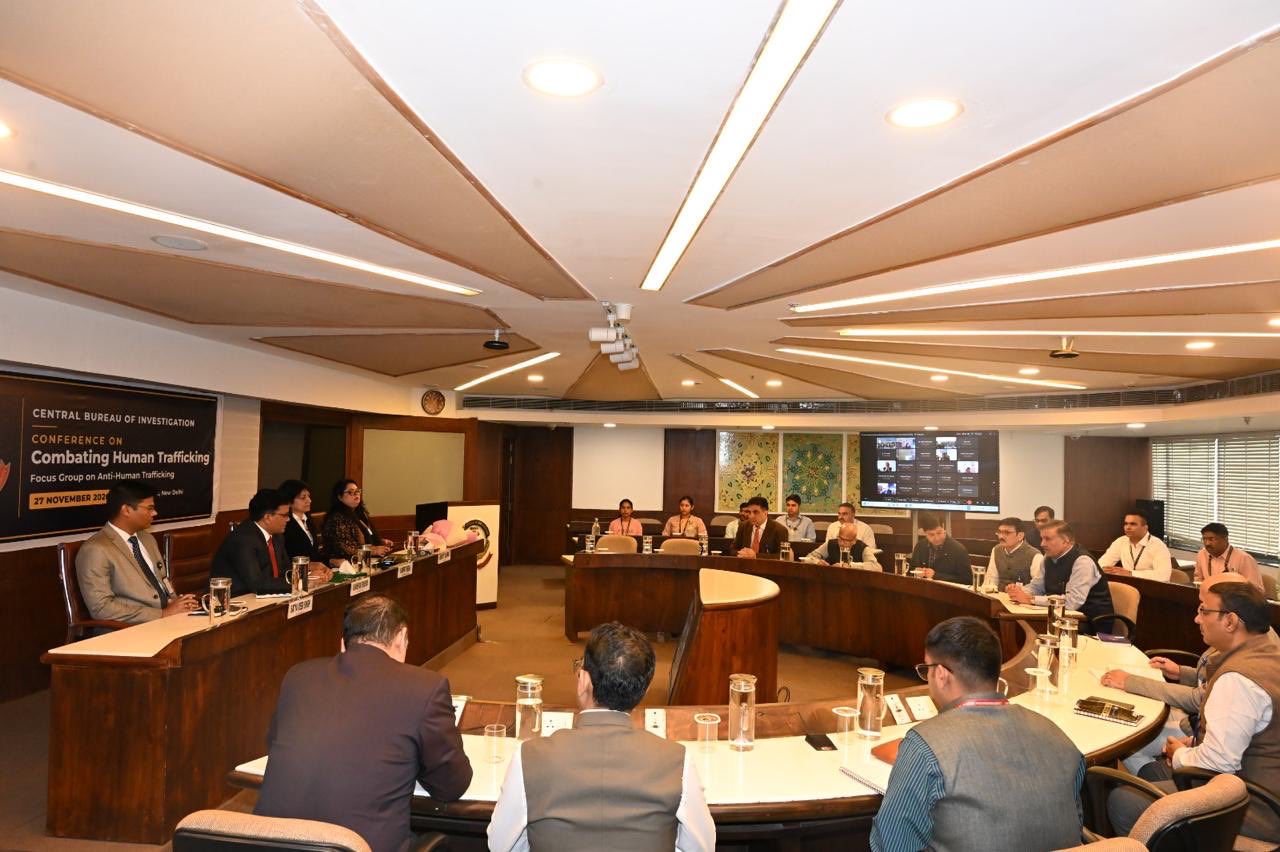
Add The420 on Google →New Delhi: The Central Bureau of Investigation (CBI) organised a one-day National Conference on Human Trafficking on November 27, 2026, at its headquarters in New Delhi via video conferencing to enhance response mechanisms across law enforcement agencies. Inaugurated by the Special Director of the CBI, the conference brought together 51 participants representing police organisations from various States and Union Territories across the country. Senior officers and experts from the Ministry of Home Affairs (MHA), the Ministry of Women and Child Development (MoWCD), the CBI, the Indian Cyber Crime Coordination Centre (I4C), and the police forces of Punjab, Rajasthan, and Gujarat addressed the gathering during the session.
Comprehensive Action Plan Underway
The conference was held as a continuation of ongoing efforts following the recommendations made at the DGsP/IGsP Conference in 2025. In pursuance of those recommendations, the CBI constituted a Focus Group under the chairmanship of the Joint Director, Special Crime Zone. This group has been mandated to coordinate closely with the Ministry of Home Affairs and the police departments of States and Union Territories to prepare a comprehensive action plan to combat human trafficking.
Towards this objective, the Focus Group has already undertaken several initiatives and held extensive consultations. The goal is to develop a coordinated and implementable action plan that incorporates specific measures and clearly defined responsibilities for all stakeholders involved. Friday’s conference served as a key step in advancing these collaborative consultations and refining the operational roadmap.
Tackling Cyber Slavery and Organised Networks
Deliberations during the day-long event covered a wide range of emerging trends and complex challenges associated with human trafficking. Participants examined the growing threat of cyber slavery alongside lessons from successful investigations into organised trafficking networks. The discussions also focused on the inter-State and cross-border dimensions of trafficking, methods for the timely identification and rescue of victims, the prosecution of offenders, and the critical role of technology in strengthening investigations.
The conference provided a common platform for police officers and representatives from central ministries and agencies to share their field experiences and discuss operational hurdles. Officials exchanged best practices adopted in their respective States and Union Territories for preventing and combating trafficking. Special emphasis was placed on strengthening inter-State coordination, ensuring the timely sharing of intelligence and information, effectively utilising technological platforms and databases, and taking coordinated action against organised syndicates.
Victim-Centric Approach and Inter-Agency Coordination
The conference concluded with a strong emphasis on placing the needs and interests of victims at the centre of all law enforcement interventions. Participants highlighted the importance of prioritising the protection, care, and rehabilitation of rescued individuals, while reviewing various rehabilitation schemes available to support them.
Officials underscored that sustained cooperation, effective information sharing, and a coordinated response by all concerned agencies are vital to strengthening efforts toward the prevention, investigation, and successful prosecution of human trafficking cases. Reiterating the necessity of collaborative efforts among central and state agencies and other stakeholders, the CBI noted that the deliberations are expected to improve the overall effectiveness of response mechanisms and bolster the collective resolve of law enforcement agencies nationwide.