
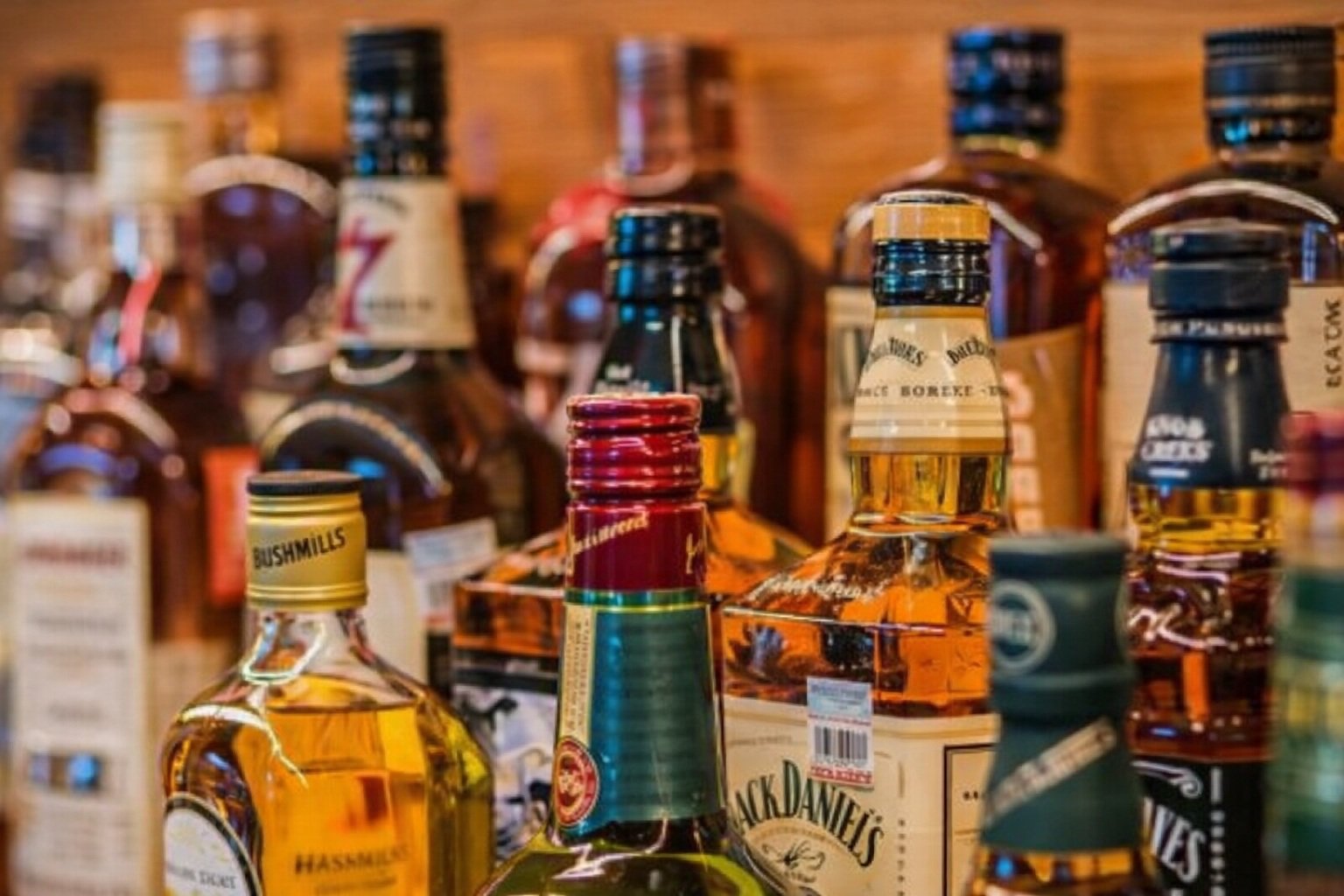

Delhi’s crackdown on illegal liquor has led to 730 arrests and 725 FIRs in just five months, with authorities also seizing around 2.2 lakh bottles and 197 vehicles allegedly used in the illicit trade.
The figures cover the period from April to August 2026 and show a significant rise in enforcement compared with the same period last year.
Official data cited by The Indian Express shows that only 315 FIRs and 312 arrests were recorded during April-August 2025. That means FIRs have risen by around 130%, while arrests have increased by about 134% year-on-year.
Proposal for Conducting Cyber Crisis Drill, Tabletop Exercise (TTEx) & CCMP Readiness Exercise
2.2 lakh bottles seized as enforcement intensifies
The Delhi Excise Department has intensified action against bootlegging, illegal transportation and unauthorised sale of liquor across the capital.
Between April and August, enforcement teams seized around 2.2 lakh bottles of illicit liquor along with 197 vehicles allegedly used in transportation or distribution.
Seven FIRs were also registered against licensed establishments for alleged violations of excise rules.
That detail is important because the crackdown is not limited to completely illegal operators.
Licensed liquor businesses can also face enforcement if they violate conditions governing sale, possession, service or distribution.
The Excise Department’s mandate includes regulating manufacture, transport, possession, sale and consumption of liquor, while its enforcement wing also checks interstate smuggling and illegal serving at unlicensed premises.
Delhi’s borders make illegal liquor harder to control
One of Delhi’s biggest enforcement challenges is geography.
The capital shares borders with Haryana and Uttar Pradesh, making movement of liquor between jurisdictions relatively easy.
Price differences, tax structures and licensing rules can create incentives for illicit movement.
Police and Excise teams therefore regularly target vehicles carrying liquor into Delhi without the required permits or in violation of local law.
The problem becomes particularly visible during festivals, elections and other periods when demand rises.
The government has already said enforcement will be strengthened further ahead of the coming festive season.
Recent police operations show the same pattern.
During North Delhi Police’s Operation Chakra in August, 63 people were arrested under the Excise Act and more than 10,000 quarter bottles of illicit liquor were seized. Police said preliminary investigation indicated that the liquor was being brought in from neighbouring states for distribution in Delhi.
That operation was separate from the Excise Department’s five-month figures but reflects the wider enforcement pressure on illegal supply chains.
Seizures are much higher than last year’s enforcement numbers
The April-August comparison suggests the government has substantially increased enforcement activity.
In 2025-26 up to March 3, the Excise Department’s own historical data listed 646 cases, 648 arrests and 245 vehicle seizures for the period covered by that reporting cycle.
The latest five-month figures of 725 FIRs and 730 arrests therefore represent a high enforcement tempo even before the full financial year is complete.
But more arrests do not necessarily mean the illegal liquor market itself has grown by exactly the same proportion.
Higher numbers can also result from increased raids, surveillance, border checking and coordination between departments.
The statistics show how much enforcement has increased, not by themselves whether consumption or smuggling has doubled.
Delhi is still working on a longer-term excise policy
The crackdown is also unfolding while Delhi continues to rethink its broader liquor policy.
The government reverted to an older excise framework in September 2022 after controversy surrounding the 2021-22 policy and has since relied on extensions and annual licensing arrangements.
Official Delhi government documents from 2026 show that work on a new excise policy is still under way.
A Public Accounts Committee report said the new framework should balance revenue generation with public welfare, licensing transparency, competition and stronger digital monitoring.
For the 2026-27 licensing year, the government has continued renewing several existing categories of licences and granting new licences under the current regulatory structure.
Chief Minister Rekha Gupta has said the administration wants a policy that improves regulation while maintaining a zero-tolerance approach towards illicit liquor.
Illegal liquor is also a public-safety issue
Excise enforcement is not only about lost tax revenue.
Illicit liquor can bypass quality-control systems and legal supply chains, creating risks for consumers.
Products sold outside regulated channels may be improperly manufactured, stored or transported.
In serious cases involving spurious alcohol, contamination can cause poisoning, blindness or death.
That is why authorities try to attack both ends of the supply chain — sellers inside Delhi and transport networks bringing unauthorised stock into the city.
The Excise Department itself lists consumer protection and quality control among its responsibilities alongside revenue and licensing.
The next major test will come during the festive period, when demand traditionally increases and enforcement teams are expected to intensify inspections, border checks and action against illegal sellers.
What this means for you: Buy alcohol only from authorised outlets and avoid bottles sold through informal sellers or unusually cheap delivery channels. Suspicious liquor sales can be reported to police or the Excise Department rather than risking an unverified product.
The420 Insight: The most striking number is not simply 730 arrests. Delhi has more than doubled both FIRs and arrests within a year, showing that illegal liquor enforcement is becoming a major policing priority even as the government is still trying to design a stable long-term excise regime.
Follow for daily updates on cybercrime, corporate fraud, DFIR, hacking, investigations, and digital forensics
