
Follow us on Google News

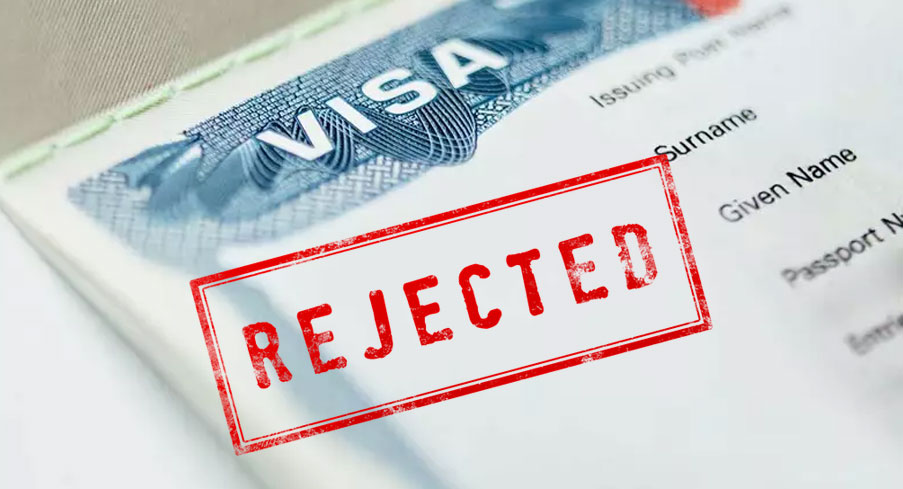
The Delhi High Court has ruled that a valid visa does not guarantee entry into India if immigration authorities find grounds for refusal.
Why Was the Foreign National Denied Entry?
The ruling arose from a petition filed by a Turkmenistan citizen who was denied entry into India on March 25, 2026, despite possessing a valid passport and business visa issued by the Indian Embassy in Ashgabat.
The woman arrived at Terminal 3 of Indira Gandhi International Airport, New Delhi, with her husband on Turkmenistan Airlines flight T5-531. Although both held visas of the same category, her husband was permitted entry while she was returned to Turkmenistan that day.
She approached the Delhi High Court seeking a written order explaining the refusal and permission to enter India using her existing visa.
https://the420.in/fcrf-certified-chief-ai-officer-second-cohort-november-2026/
What Arguments Were Presented Before the Court?
The petitioner argued that immigration authorities had refused entry without providing reasons. She also alleged discrimination under Articles 14 and 21 of the Constitution, pointing to her husband’s admission into India.
The government maintained that a foreign national has no unconditional right to enter India merely because a valid visa has been issued. It cited the Immigration and Foreigners Act, 2025, which empowers authorities to regulate or prohibit entry on specified grounds, including national security and public order.
Authorities submitted that adverse information concerning the petitioner had prompted scrutiny. They referred to her travel history, involving as many as 47 short visits to India, and allegedly unsatisfactory responses about her activities and business associations. Supporting material was submitted to the Court in a sealed cover.
What Does the Immigration and Foreigners Act, 2025 Provide?
The Court observed that Section 7 of the Immigration and Foreigners Act, 2025, empowers the Central Government to regulate, restrict or prohibit the entry of foreigners into India. The provision also addresses their departure, presence and continued stay.
Although foreign nationals must possess valid travel documents and visas, these requirements do not create an absolute right of admission. Entry may still be refused on statutory grounds, including national security, India’s sovereignty and integrity, foreign relations and public health.
The Court further noted that immigration officers may examine passports, travel documents and visas and seek necessary information before deciding whether entry should be permitted.
Why Did the High Court Dismiss the Petition?
Justice Amit Mahajan held that immigration clearance involves sovereign functions governed by national security, foreign policy and administrative considerations. The Court also rejected the discrimination argument, finding that the petitioner and her husband were not similarly situated.
After examining the sealed-cover material, the Court concluded that no enforceable right had been infringed. It observed that jurisdiction under Article 226 of the Constitution requires a violation of a legal right.
Accordingly, the Court dismissed the petition as lacking merit, reaffirming that possession of a valid visa does not prevent immigration authorities from refusing entry on legally recognised grounds.
The judgment was delivered on September 30, 2026, in Annagurbanova Yazbibi Hummetgulyyevna v. Union of India, W.P.(C) 5740/2026.