
Follow us on Google News

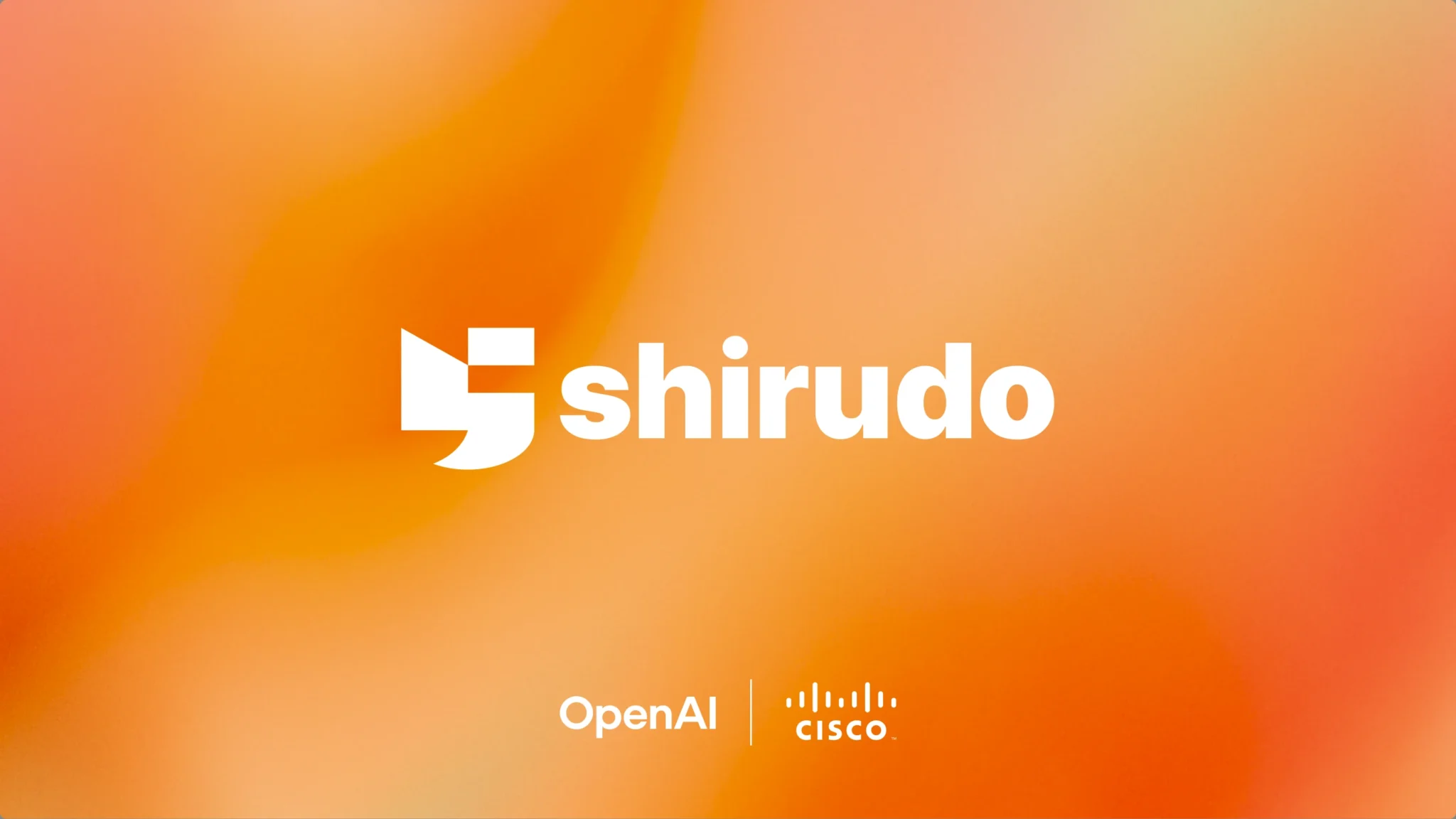
Cisco and OpenAI have launched Shirudo, an open-source cybersecurity project designed to help computer systems defend themselves against cyberattacks before permanent security patches become available. Announced on November 23, 2026, the initiative combines artificial intelligence with Linux security technology to detect vulnerabilities and deploy temporary protections without interrupting operations.
What Is Shirudo?
Shirudo, which means “shield” in Japanese, is an open-source project developed to strengthen cybersecurity infrastructure through automated protection. The initiative uses extended Berkeley Packet Filter (eBPF), a technology that allows small, customised programs to operate within the Linux operating system kernel without modifying its source code.
Through this approach, AI agents can identify vulnerabilities, develop protective measures and test whether those measures prevent attacks while keeping the affected systems operational.
Unlike conventional patching procedures, which may require system restarts or maintenance interruptions, Shirudo is designed to provide temporary protection while security teams prepare permanent fixes.
FCRF Launches Certified Chief Risk Officer (CRO) Program for India’s Risk Leaders
The project aims to reduce the period during which organisations remain exposed after vulnerabilities are discovered but before official patches can be deployed.
How Does AI Protect Systems?
Shirudo introduces an approach in which AI agents assist with identifying security weaknesses and creating protective code that can operate directly within the system.
Once a vulnerability is identified, the technology allows an AI agent to develop a protective shield and test its effectiveness against the relevant attack.
The shields are cryptographically signed, allowing the host system to verify them before execution, including in situations where an attacker has obtained administrator-level access.
According to the companies, the system is intended to support infrastructure that can respond to threats at machine speed rather than depending entirely on manual security updates. Cisco and OpenAI also emphasised that the technology is designed to complement existing security practices rather than eliminate the need for permanent patches.
What Did Security Tests Show?
The companies reported testing Shirudo against recent critical vulnerabilities, including Java4Shell and a PHP-related security flaw.
During these tests, the system reportedly generated code capable of detecting and blocking attempts to exploit both vulnerabilities.
The results were presented as an early demonstration of how AI-assisted protection could help organisations respond more quickly to newly identified security weaknesses. Cisco President and Chief Product Officer Jeetu Patel said security teams need tools capable of responding to the growing speed of AI-driven threats.
OpenAI President and Co-founder Greg Brockman said the collaboration seeks to help organisations protect systems that cannot always be patched immediately after vulnerabilities are discovered.
What Comes Next?
Cisco and OpenAI have invited developers, cybersecurity researchers and enterprises to contribute to Shirudo’s development.
Participants can submit vulnerability reproductions, develop protective shields and test whether the technology successfully blocks attacks while allowing legitimate system activity. The project is publicly available through GitHub, enabling security professionals to examine and contribute to its development.
The initiative reflects a move towards AI-assisted cybersecurity systems that can provide temporary protection while permanent software fixes are being prepared.
However, the announced testing results do not establish how effectively Shirudo will perform across all vulnerabilities or production environments. Its broader effectiveness will depend on further development, testing and adoption by the cybersecurity community.
About the author — Ayesha Aayat writes on cybercrime, digital safety, and emerging online threats. Her work focuses on public awareness, legal clarity, and technology-driven risks.