

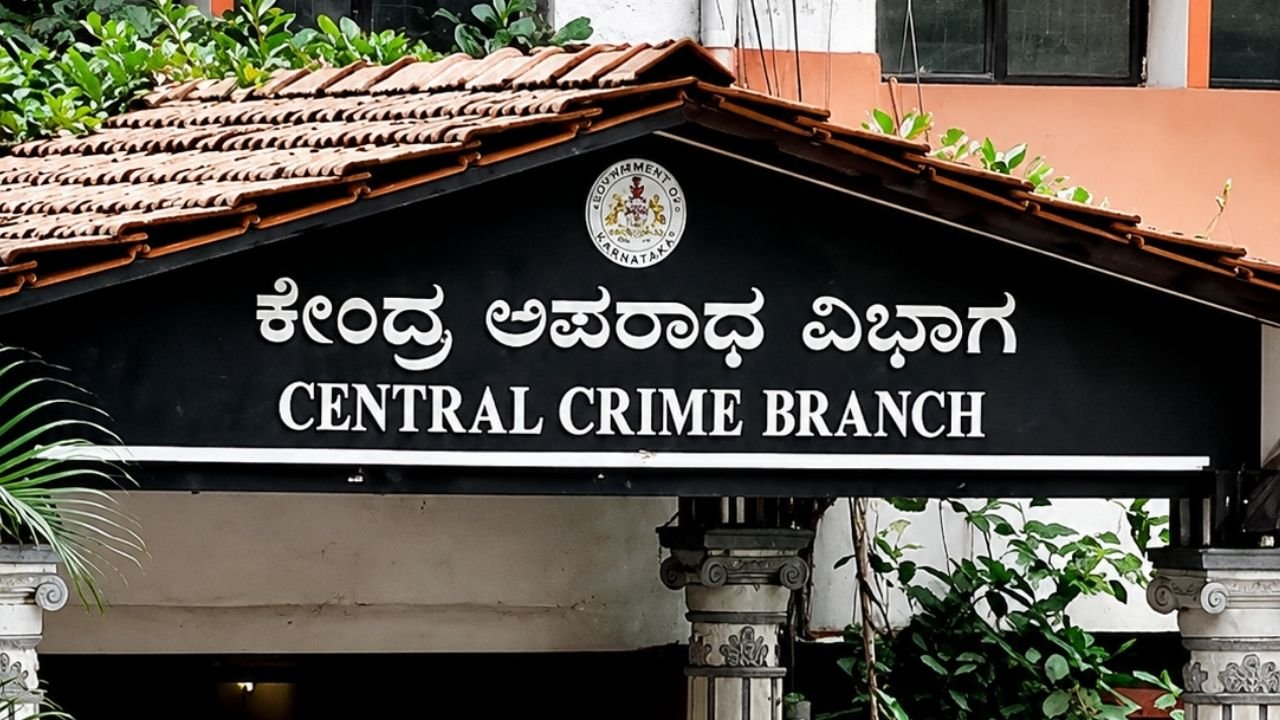

Chennai: A man who had been absconding for nearly 20 years in an alleged ₹37-lakh bank loan fraud involving forged property documents has been arrested in Chennai. The Central Crime Branch (CCB) of the Greater Chennai City Police arrested 60-year-old Harinarayanan and remanded him to judicial custody. He is accused of conspiring with another individual to mortgage a property using forged documents and fraudulently obtain a bank loan.
According to the police, the complainant, Philomina Rani, owns a 6,772-square-foot plot in the Sridevi Garden area of Valasaravakkam in Chennai. One of the accused, Leemaraj, allegedly obtained a fake legal heir certificate relating to the property and prepared forged documents to establish a false claim over it.
FCRF Launches CP-FRM to Build India’s Next Generation of Fraud Risk Professionals
Investigators allege that Leemaraj acted in collusion with Harinarayanan to mortgage the property with a private bank in New Delhi. Using the allegedly forged documents, the two obtained a loan of ₹37 lakh from the bank. The alleged fraud involved the use of false property-related records to secure the loan, potentially exposing both the property’s rightful owner and the lending institution to financial and legal complications.
Complaint Filed in 2007
According to the police, Philomina Rani lodged a complaint in 2007, following which the Central Crime Branch registered a case and initiated an investigation. After completing the investigation, the police filed a final report against the accused before the court.
During the subsequent legal proceedings, the second accused, Harinarayanan, remained absconding for an extended period. His continued absence delayed the process of bringing him before the court. The police said he had been evading arrest for nearly two decades.
The case remained subject to judicial proceedings, while efforts continued to secure the accused’s presence before the court. The alleged use of forged property documents and a fake legal heir certificate formed a central part of the case investigated by the police.
Court Issued Non-Bailable Warrant
In view of Harinarayanan’s prolonged absence, the Chief Metropolitan Magistrate Court in Egmore issued a non-bailable warrant (NBW) for his arrest and production before the court.
A non-bailable warrant authorises the police to take the person named in the warrant into custody and produce him before the court in accordance with the law. Following the issuance of the warrant, the police continued efforts to trace the accused and execute the court’s order.
The Central Crime Branch eventually arrested Harinarayanan on Friday. He is a native of Bengaluru, Karnataka, and is 60 years old. Following his arrest, he was produced before the court and remanded to judicial custody, the police said.
Forged Property Records Under Investigation
The case highlights the alleged misuse of property ownership documents and legal heir certificates to obtain loans from financial institutions. In such cases, forged records may be used to create a false claim over a property or misrepresent the authority of the person offering it as collateral.
When a property is mortgaged using allegedly forged documents, the transaction can expose the rightful owner to disputes over ownership and create risks for the bank that sanctioned the loan. Establishing the authenticity of property records and verifying the legal authority of individuals offering assets as collateral are therefore important safeguards in lending transactions.
In the present case, the police investigation centred on allegations that a fake legal heir certificate and forged property documents were used to mortgage Philomina Rani’s land and obtain a loan of ₹37 lakh from a private bank in New Delhi.
The complaint was registered in 2007, and Harinarayanan’s arrest came nearly 20 years later following the court-issued non-bailable warrant. His arrest marks a significant development in the long-pending case, although the allegations against him remain subject to judicial determination.
Follow for daily updates on cybercrime, corporate fraud, DFIR, hacking, investigations, and digital forensics
