
Follow us on Google News

NEW DELHI: Sourabh Chandrakar, a primary accused in the illegal online betting network linked to the Mahadev Online Book application, has been extradited from Oman to India. A special team from the Central Bureau of Investigation travelled to Muscat, took Chandrakar into custody, and escorted him back following coordinated efforts with central agencies and Omani authorities. Upon his arrival in India, the accused is scheduled to undergo a mandatory medical examination and complete transit remand formalities before being transported to Raipur to appear before a special court on Monday.
Chandrakar faces charges in two cases investigated by the Central Bureau of Investigation, both of which have reached the chargesheet stage. Parallel to these proceedings, the Enforcement Directorate is pursuing a money-laundering investigation against him. The agency has filed a prosecution complaint and attached multiple domestic and overseas properties connected to the syndicate.
Franchise Panels and Overseas Operations
The federal agency assumed control of the investigation after receiving a formal request from the Chhattisgarh government. Inquiries established that the Mahadev platform had expanded into one of the country’s most extensive unlawful betting rings, directed and operated primarily from locations outside India. The operation offered illicit wagers on cricket, football, card games, and diverse events through an elaborate network of franchised panels and local branches that handled ground-level activities.
Because the syndicate conducted critical management and coordination functions abroad, central agencies relied on sustained cooperation with international authorities. Investigators focused on charting the operational hierarchy, locating key panel managers, and identifying the cross-border mechanisms established to accumulate and move illicit earnings.
Laundering Through Mule Accounts and Hawala
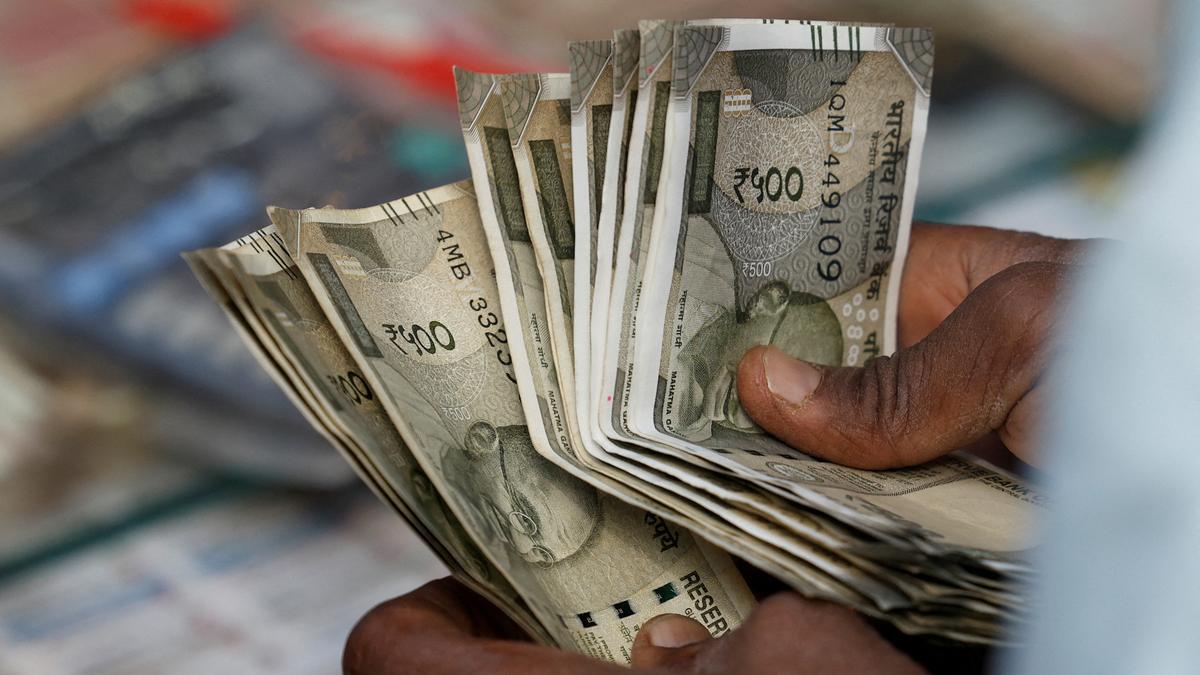
Agency findings indicate that betting proceeds were systematically dispersed across a vast array of mule bank accounts. By layering transactions across numerous intermediary accounts, the syndicate sought to obscure the origin of the funds and conceal the ultimate beneficiaries. A substantial portion of the generated revenue was subsequently funnelled out of India through hawala routes.
Investigators continue to trace the detailed financial trail, examining the specific banking infrastructure used for fund routing and documenting how capital crossed domestic jurisdictional boundaries. Establishing the precise transaction pathways remains central to identifying every individual tasked with managing the syndicate’s financial machinery.
Bribery Charges and Inter-Agency Extradition
The inquiry revealed that illicit earnings were also deployed to pay protection money to certain public servants, ensuring the betting network could operate across various jurisdictions without police disruption. Charges filed in the case cite provisions of the Prevention of Corruption Act, 1988, alongside Indian Penal Code sections addressing criminal conspiracy, cheating, and forgery. Relevant sections of the Chhattisgarh Gambling (Prohibition) Act have also been invoked against Chandrakar as a principal accused.
Chandrakar was initially located and detained by the Royal Oman Police after an Interpol Red Corner Notice was issued against him. The Central Bureau of Investigation and the Enforcement Directorate submitted formal, evidence-backed extradition dossiers through Interpol’s National Central Bureau and diplomatic channels. Indian authorities commended the Royal Oman Police and the Government of Oman for their assistance in executing the transfer. His forthcoming appearance before the special court in Raipur will initiate subsequent legal proceedings concerning public servant payoffs and overseas financial transactions.