

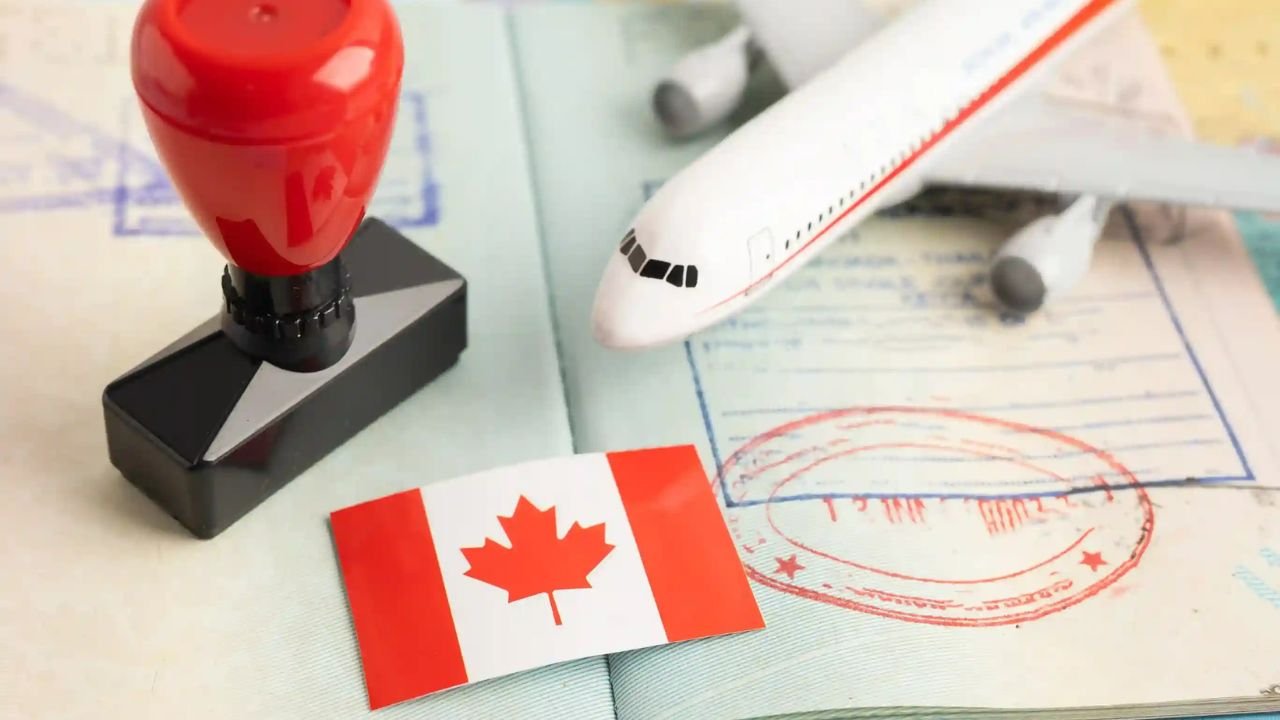

Chandigarh. Amid alleged cases of fraud involving marriages arranged to facilitate migration to Canada, Canadian immigration authorities have issued a fresh warning to foreign nationals and permanent residents about marriage fraud. Immigration, Refugees and Citizenship Canada (IRCC), in an advisory shared on social media, said relationships created primarily to obtain Canadian immigration status are subject to scrutiny and may lead to legal consequences.
According to IRCC, in some cases, sponsors and foreign applicants enter into relationships whose primary purpose is to enable the sponsored spouse or partner to immigrate to Canada. Such arrangements are described as “relationships of convenience”. The term can cover marriages as well as common-law or conjugal relationships entered into primarily for immigration purposes.
Proposal for Conducting Cyber Crisis Drill, Tabletop Exercise (TTEx) & CCMP Readiness Exercise
The Canadian authority has advised people to exercise caution before entering into a marriage or sponsoring someone for immigration. It specifically highlighted situations where the couple has only recently met, one person wants to marry very quickly, the prospective partner has previously been married or involved in several common-law relationships, or has shared little information about their personal or family background.
IRCC said its officers are trained to distinguish genuine immigration applications from fraudulent marriages. The authority can use document verification and interviews with both sponsors and applicants as part of the assessment process. Canadian citizens or permanent residents involved in relationships of convenience for immigration purposes may face criminal consequences, according to the advisory.
The advisory also included an important clarification for immigrants experiencing domestic abuse. IRCC said a person’s permanent resident status does not depend on remaining in an abusive relationship. A person married to, or in a common-law or conjugal relationship with, a Canadian citizen or permanent resident who is abusive does not have to continue living with that person to retain permanent resident status and can seek help.
Several alleged cases in Punjab have involved families of prospective grooms paying for the education, language-test preparation, travel and other expenses of women who were expected to facilitate their husbands’ migration to Canada. In some complaints, the women allegedly had stronger immigration prospects because they were already studying, working or residing in Canada. The allegations generally state that after the marriage and the woman’s arrival or settlement in Canada, she refused to sponsor her husband or stopped communicating with his family, leading to police complaints and legal disputes in India.
In February 2026, two separate cases involving similar allegations were registered in Punjab. Gagandeep Garh of Bathinda alleged that he had married Priya Garg of Bagha Purana in Moga district. According to his complaint, her family allegedly sought ₹17 lakh for marriage-related expenses and later took another ₹5 lakh in connection with her travel to Canada. After reaching Canada, she allegedly refused to sponsor him and cut off contact with him and his family. Following an investigation, police registered a case against Priya Garg, her father Vijay Kumar and her mother Santosh Rani.
In another case, Kuljeet Singh of Bibiwala village in Bathinda alleged that he arranged the marriage of his son Jasbir Singh with Gagandeep Kaur of Mehma Sarja village and spent around ₹25 lakh to facilitate her move abroad. According to the complaint, after reaching Canada, Gagandeep Kaur allegedly refused to take Jasbir with her and subsequently cut off contact with the family. After an inquiry, police registered a case against Gagandeep Kaur and her father Tota Singh.
Punjab has also witnessed earlier cases involving alleged fraudulent marriages and immigration-related cheating. In August 2025, Barnala police took action in a case involving a woman living in Canada and her daughter, who were accused of allegedly targeting young men through purported fake engagements and marriages. Police investigations reportedly examined allegations that money was collected from victims in the name of wedding expenses, education and emergency requirements.
Police investigations in similar cases have also alleged that prospective brides are promoted through social media posts and newspaper advertisements, with claims that they have high language-test scores or are already settled in Canada on student or work visas. According to such allegations, the groom’s family may be asked to bear expenses ranging from ₹15 lakh to more than ₹40 lakh, including airfare, college tuition and wedding-related costs. In some complaints, the alleged fraud comes to light after the marriage when communication decreases or the bride refuses to facilitate the husband’s move to Canada.
The latest Canadian advisory underlines the importance of verifying marriage and immigration-related documents and understanding the applicable sponsorship rules before entering into financial or marital arrangements based primarily on promises of migration to Canada.
Follow for daily updates on cybercrime, corporate fraud, DFIR, hacking, investigations, and digital forensics
