

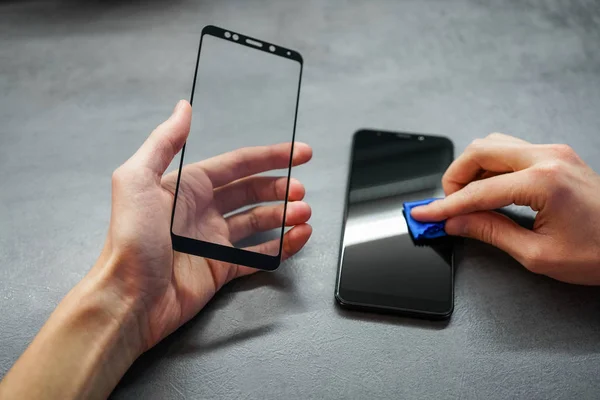
New BIS standards for smartphone screen guards will take effect nationwide from April 1, 2027, tightening quality rules.
What changes from April 2027?
New Bureau of Indian Standards requirements for smartphone screen guards are set to come into force across the country from April 1, 2027. Under the notified standards, screen guards that do not meet the prescribed specifications and do not carry BIS registration will no longer be permitted for sale.
The change is intended to establish a defined quality standard for products sold in the market. Screen protectors will have to undergo testing at BIS laboratories, while companies will be required to meet the certification requirements before placing their products on the market.
The rules will also affect imports and domestic manufacturing. Screen protectors without the required BIS mark will not be allowed to be imported or locally produced under the new framework.
Proposal for Conducting Cyber Crisis Drill, Tabletop Exercise (TTEx) & CCMP Readiness Exercise
How will buyers identify certified screen guards?
After the standards take effect, packages of screen protectors sold in the market are expected to carry the BIS ISI mark along with a registration number. Consumers will be able to verify that registration number through the BIS Care application.
The rules are expected to reduce the availability of cheap, duplicate and easily damaged screen guards that do not meet the prescribed quality requirements. Products without BIS testing and registration, including inexpensive unbranded or locally produced glass protectors, will not be legally permitted for sale after the rules take effect.
The additional compliance requirements could also affect prices. Companies will have to bear expenses related to laboratory testing, certification and quality improvements. Screen guards could consequently become 10 to 20 per cent more expensive.
Why does screen guard quality matter?
The quality of a screen protector can affect both the display and the user experience. Poor-quality glass can break even after a relatively minor impact and may also damage the phone’s original display.
Inferior screen guards can also interfere with in-display fingerprint sensors and make touch response slower. Cheap glass without proper anti-glare layers or ultraviolet coating may increase screen reflection, which can affect the user’s eyes.
Different types of screen protectors serve different purposes. Tempered glass in 2D or 2.5D form provides basic protection, while 3D or UV curved glass is intended for expensive phones or devices with curved displays. Matte or privacy glass can restrict side viewing and help protect the screen from scratches. Plastic or TPU guards primarily protect against scratches and do not provide drop protection.
What happens if uncertified products are sold?
Once the new standards come into force, selling screen guards without the required BIS certification will be treated as an offence under the applicable BIS framework described in the notification.
The rules provide for action against those involved in supplying non-certified products, including shopkeepers, importers and manufacturers. Such action may include fines and seizure of goods.
For consumers, the most visible change will be the presence of certification details on packaging and the ability to check registration through the BIS Care app. For businesses, the new regime means screen guards will have to meet the prescribed testing and certification requirements before reaching the market.
Follow for daily updates on cybercrime, corporate fraud, DFIR, hacking, investigations, and digital forensics
