
Follow us on Google News

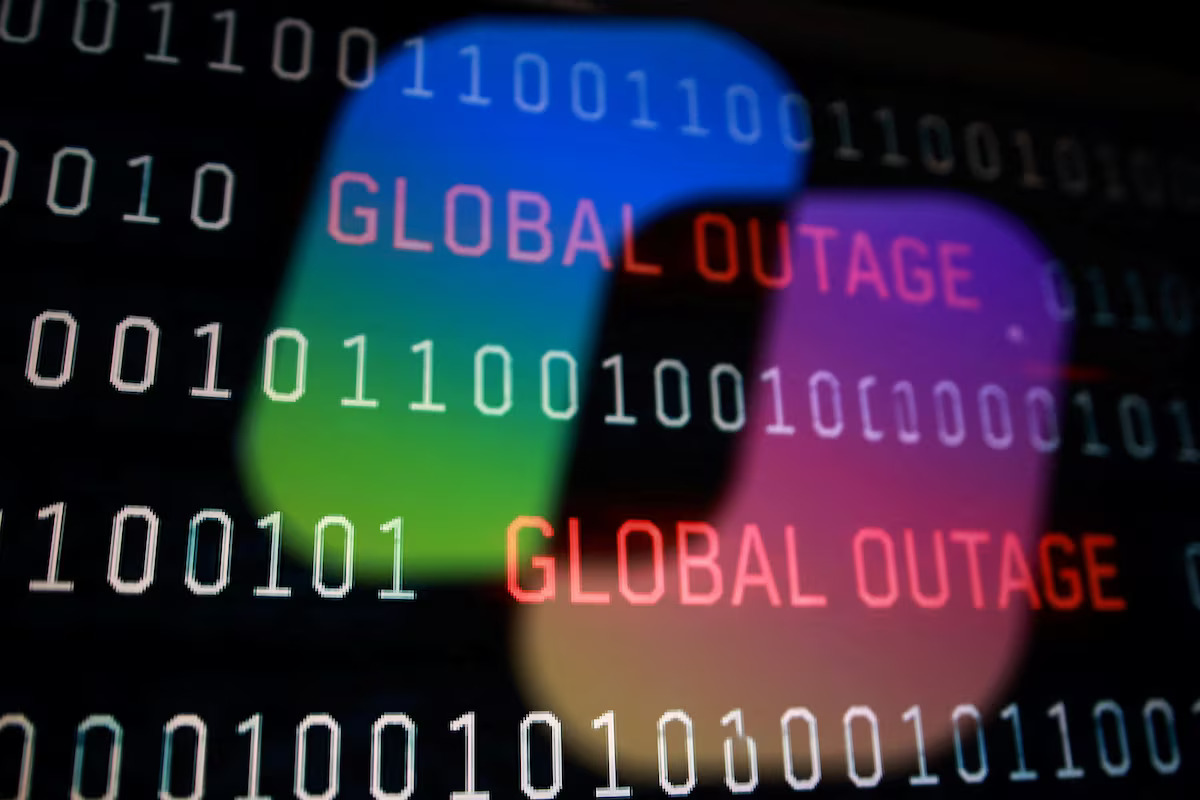
A series of outages affecting banks, airlines and technology platforms has raised concerns over fraud targeting affected users.
Which Major Services Experienced Outages?
Several major financial institutions, airlines, government systems and technology companies experienced service disruptions during November 2026, affecting online banking, digital payments, travel operations and workplace applications.
On November 17, the US National Security Agency’s internal communications network, NSANet, experienced temporary degradation. The agency attributed the disruption to scheduled maintenance and stated that mission-critical functions continued operating through backup infrastructure.
Around the same period, Apple users reported difficulties accessing iCloud, Apple Card and Sign in with Apple. Other affected services included Apple Music, the App Store and AppleCare, while complaints involving Apple Pay also increased. Problems were reported in several countries, including Brazil, Greece and Latvia.
Customers of JPMorgan Chase, Bank of America and US Bank also experienced online banking difficulties. United Airlines reported a technology failure that briefly delayed hundreds of departures, while Marriott International faced complaints about service disruptions.
What Caused the Widespread Technical Failures?
The disruptions followed other significant incidents earlier in November. On November 13, a nationwide ground stop ordered by the US Federal Aviation Administration disrupted air travel for more than four hours. Officials attributed the incident to ageing air traffic communications equipment.
Microsoft 365 services, including Outlook, experienced a major outage on November 12. Users reported difficulties accessing emails, loading inboxes and connecting to workplace applications. Some artificial intelligence services also experienced related disruptions because of their dependence on Microsoft infrastructure. Microsoft subsequently attributed its problems to several technical factors, including an older software bug, internal connectivity issues and insufficient server capacity.
Apple identified an internal update as the cause of some service failures, while JPMorgan Chase cited a software bug affecting on-premises hardware.
Despite the timing of these incidents, authorities and the companies involved reported no evidence establishing a coordinated cyberattack. The NSA described its disruption as temporary degradation during planned maintenance.
FCRF Launches Certified Chief Risk Officer (CRO) Program for India’s Risk Leaders
Why Can One Technical Failure Affect Millions?
Modern digital services operate through interconnected systems involving cloud infrastructure, data centres, software platforms, internet connections and external technology providers. Banks, airlines, retailers and government organisations depend on these networks to deliver services. Consequently, a problem involving one component can interrupt several related operations.
Software updates may conflict with older applications or hardware. Security patches can introduce compatibility problems, while connectivity failures can prevent otherwise functioning systems from communicating. Cybersecurity researchers have identified growing infrastructure complexity as a factor contributing to service disruptions. Frequent software updates, automated development processes and increasing dependence on shared platforms can make failures difficult to anticipate. A technical fault that previously affected a limited number of customers can now disrupt millions of users because multiple organisations depend on the same infrastructure.
However, technical failures do not automatically indicate malicious activity. The recent incidents demonstrate how separate operational problems can occur within a short period without evidence of a common attacker.
How Do Fraudsters Exploit Banking and Airline Outages?
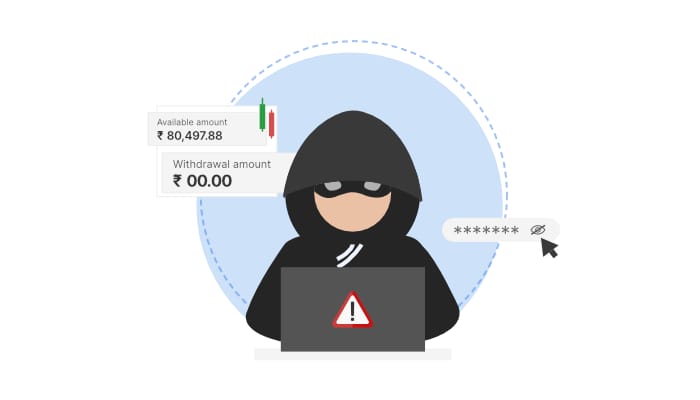
Service disruptions can create opportunities for cybercriminals to target customers searching for immediate assistance. When banking applications, airline booking platforms or email services stop functioning, affected users may receive fraudulent messages claiming to explain the problem or offering assistance with restoring access. Such messages may impersonate banks, airlines or technology companies and instruct recipients to verify their accounts through unfamiliar links.
Fraudsters may also circulate fake flight cancellation notices promising refunds or compensation. These messages can direct victims to counterfeit websites designed to resemble legitimate customer service portals. Once customers enter their information, criminals may obtain passwords, payment card numbers, card verification values, one-time passwords and other sensitive banking credentials.
The underlying service outage may be genuine, but the message offering an immediate solution could be fraudulent. Criminals exploit the uncertainty surrounding disruptions to make deceptive communications appear credible.
What Precautions Should Customers Take?
Customers experiencing service interruptions should verify information through official company websites or authenticated mobile applications rather than responding to unexpected messages.
Banking customers should use verified customer service numbers published by their financial institutions. They should avoid sharing passwords, PINs, OTPs, CVVs or internet banking credentials with anyone claiming to restore interrupted services. Unexpected refund offers also require caution. A genuine airline or payment service disruption does not establish the authenticity of a message promising compensation.
Users should avoid installing unfamiliar applications or remote-access software offered as solutions to technical problems. Such applications may provide criminals with access to devices and financial accounts. Similarly, when a website requests fresh login credentials following an outage, customers should independently open the official application or enter the company’s verified website address instead of following a link received through email, SMS or WhatsApp.
What Do These Incidents Reveal About Digital Security?
The November disruptions demonstrate two separate risks associated with growing dependence on digital infrastructure: interruptions caused by technical failures and fraudulent activity exploiting public confusion. Although the incidents affected several major organisations, the reported findings did not establish a coordinated cyberattack. Technical problems involving maintenance, software compatibility, ageing equipment and server capacity contributed to different disruptions.
For businesses, the incidents underline the importance of reliable infrastructure, backup arrangements and effective communication during service interruptions.
For consumers, the greater immediate concern is distinguishing legitimate service information from fraudulent requests for personal or financial details.
A service outage does not necessarily indicate that customer accounts have been compromised. However, criminals may use the disruption as an opportunity to impersonate trusted organisations and obtain sensitive information. The safest response is to verify announcements independently, avoid unsolicited troubleshooting links and contact service providers through established official channels.