
Follow us on Google News

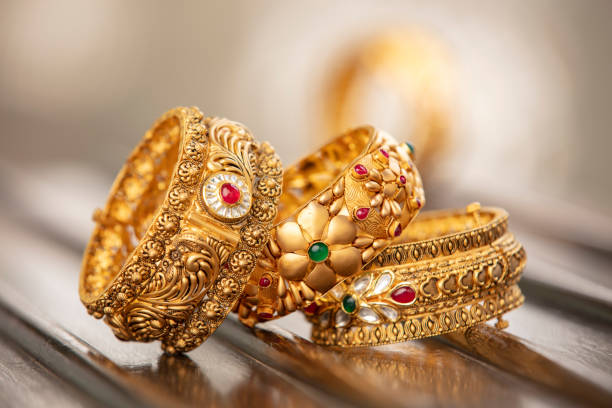
India’s jewellery industry has been urged to remain vigilant following reports of alleged gold adulteration involving metal alloys.
What Is the Alleged Gold Adulteration Scam?
The All India Gem and Jewellery Domestic Council (GJC), an industry body representing the Indian gems and jewellery sector, has urged jewellers and consumers to exercise caution following reports of an alleged gold adulteration scam involving Rhenium and Iridium-based alloys.
According to the reports, these materials are allegedly being used to increase the weight of gold without a corresponding increase in purity. There are also claims that adulterated gold originally containing 20 carats could produce testing results indicating 22 carats, raising concerns about the reliability of established testing methods in detecting such manipulation.
The council has advised the industry to remain vigilant without creating unnecessary panic among consumers. The reported practices have raised questions about gold quality verification and the need for stricter checks throughout the jewellery supply chain.
FCRF Launches Certified Chief Risk Officer (CRO) Program for India’s Risk Leaders
What Action Has the Bureau of Indian Standards Taken?
GJC said it has already informed the Bureau of Indian Standards (BIS) about the reported issue. According to the council, BIS is treating the matter seriously and maintaining close vigilance over the concerns surrounding possible adulteration.
GJC Chairman Rajesh Rokde said the industry and gold buyers should not panic over the reports. However, he emphasised that vigilance remains necessary and urged jewellers to conduct stringent quality checks on gold purchased from manufacturers, wholesalers and other suppliers.
The council has also called for strict action against anyone found manufacturing, supplying or using such materials for fraudulent purposes. It said proven cases of adulteration or malpractice should be pursued through the appropriate authorities.
What Precautions Should Jewellers and Consumers Take?
GJC has advised jewellers to strengthen internal quality control procedures and ensure compliance with BIS hallmarking regulations. The council has also cautioned businesses against being influenced by unusually low making charges and encouraged consumers to purchase jewellery from trusted establishments.
Consumers have been advised to verify hallmark details through the BIS Care App and insist on proper GST-paid invoices when purchasing gold jewellery. These measures are intended to support transparency and help buyers verify the credentials of the products they purchase.
GJC Vice Chairman Avinash Gupta emphasised that the jewellery industry’s reputation has been built on trust, transparency and quality. He said isolated reports or rumours should not undermine consumer confidence, while stressing the responsibility of jewellers to maintain proper standards.
How Can Suspected Gold Fraud Be Reported?
The council has appealed to jewellers and consumers to report suspected adulteration, fraudulent activities or other malpractices immediately. Complaints can be submitted to GJC or directly to the Bureau of Indian Standards for examination and appropriate action.
GJC said it would continue working closely with BIS and industry stakeholders to protect consumer confidence in Indian gold. The council maintained that stronger quality controls, transparent transactions and timely reporting remain essential to addressing the reported concerns.
The advisory underscores the importance of verifying gold purity and hallmark credentials before purchasing jewellery, particularly when unusually attractive offers or questionable quality claims are involved.