
Follow us on Google News

A 43-year-old medical practitioner from Sinhagad Road in Pune was allegedly cheated of ₹30 lakh after cybercriminals impersonated telecom regulators and police officers, threatening to arrest her in a fabricated money laundering and terror funding case. The fraudsters used video calls and threats of legal action to pressure the woman into breaking her fixed deposits and transferring the money.
The fraud took place between October 22 and November 10, 2026. The victim subsequently filed a complaint at Sinhagad Road police station on Wednesday.
How Did the Fraudsters Trap the Doctor?
According to the First Information Report (FIR), the fraud began when the doctor received a telephone call from individuals claiming to be officials of the Telecom Regulatory Authority of India (TRAI).
The callers falsely alleged that her mobile number had been used to send obscene messages and was linked to several complaints. When the doctor denied the allegations, they transferred her video call to individuals pretending to be Cyber Cell officials and later to others impersonating Mumbai Crime Branch officers.
The fraudsters subsequently accused her of involvement in money laundering and terror funding, claiming that she had financially supported the banned Popular Front of India (PFI) in Kerala. Using these allegations, the accused threatened her with arrest and pressured her to disclose her bank account details. They later offered to settle the supposed criminal case in exchange for money.
Fearing legal consequences, the doctor broke her fixed deposits and transferred ₹30 lakh to the fraudsters. The deception came to light when she discussed the suspicious calls with friends, who alerted her that she had been cheated.
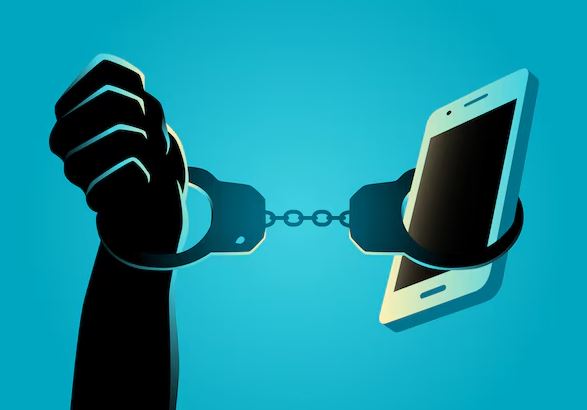
What Is a Digital Arrest Scam?
A digital arrest scam is a form of cyber fraud in which criminals impersonate police officers, investigating agencies or other authorities to convince victims that they are facing serious criminal charges.
FCRF Launches Certified Chief Risk Officer (CRO) Program for India’s Risk Leaders
The fraudsters typically use telephone or video calls, fabricated allegations and threats of immediate arrest to create fear. They may claim that a victim’s mobile number, bank account or identity has been connected to illegal financial transactions.
In some cases, victims are instructed to remain available on video calls and avoid discussing the matter with others. Criminals then demand money, often presenting the payment as necessary to resolve an investigation or avoid arrest.
Digital arrest is not a recognised legal procedure in India. Police cannot lawfully place someone under arrest merely through a telephone or video call.
In the Pune case, the accused allegedly combined impersonation of TRAI officials with fabricated money laundering and terror funding allegations to obtain ₹30 lakh.
What Are the Warning Signs?
The incident highlights how criminals exploit fear of arrest and the apparent authority of law enforcement agencies to obtain money from victims. Several warning signs can help people recognise such attempts.
• Unexpected allegations: Callers claim your mobile number or bank account is linked to serious crimes.
• Threats of immediate arrest: Individuals posing as officials demand instant cooperation or threaten imprisonment.
• Suspicious video calls: Callers claiming to represent police or investigating agencies conduct unofficial questioning over messaging platforms.
• Requests for banking details: Fraudsters seek account information or pressure victims into transferring money.
• Demands to settle a case: Callers offer to close a supposed criminal investigation in exchange for payment.
Anyone receiving such threats should independently verify the caller’s identity through official channels, avoid transferring money and report suspected cyber fraud through the national cybercrime helpline 1930 or the National Cyber Crime Reporting Portal at cybercrime.gov.in.