

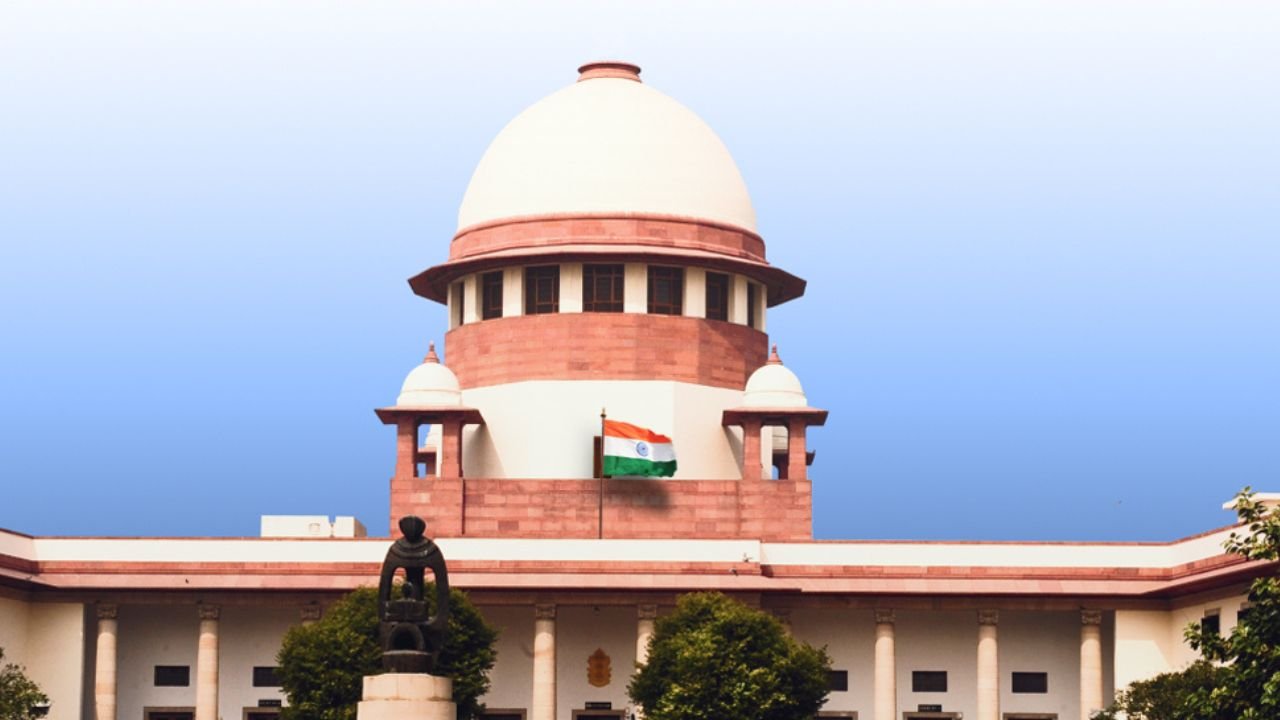

New Delhi | In a significant setback for industrialist Anil Ambani and Reliance Communications, the Supreme Court on Thursday refused to grant any interim relief in the ongoing dispute over classification of their loan accounts as “fraud.” The top court also declined to interfere with the Bombay High Court’s ruling, effectively allowing banks to proceed with further action.
The Supreme Court clarified that the observations made by the Bombay High Court will not affect the civil suits filed by Anil Ambani, in which he has challenged the forensic audit report and the consequent fraud classification. The court also directed that the pending matters be expedited and urged all parties to extend full cooperation to ensure a speedy trial.
FCRF Returns With CDPO, Its Premier Data Protection Certification for Privacy Professionals
During the hearing, senior advocate Kapil Sibal, representing Anil Ambani, argued that branding an account as “fraud” has severe consequences, effectively causing a “civil death” for any individual or company. He submitted that such a classification destroys financial credibility and makes it nearly impossible for companies to raise funds in the market.
However, the Supreme Court bench declined to intervene at this stage. The court observed that the matter involves serious allegations and is still under scrutiny. It further noted that banks had exercised their discretion in appointing expert agencies, and such decisions cannot be lightly interfered with in the absence of strong legal grounds.
The Solicitor General informed the court that the forensic audit report in question was prepared by a reputed professional agency appointed by a banking consortium through a transparent selection process. The report, prepared in 2020, examined in detail the loans extended to Reliance Communications and its associated entities.
The dispute stems from this forensic audit report, which formed the basis for banks initiating fraud classification proceedings. In December 2025, a single-judge bench of the Bombay High Court had temporarily stayed the action. However, the division bench later overturned that order, holding that the single judge had wrongly applied the 2024 RBI Master Directions retrospectively.
The High Court further ruled that the forensic audit had been conducted under the regulatory framework of 2016, and therefore could not be invalidated based on later regulatory changes. Following this ruling, banks were permitted to continue their proceedings.
Anil Ambani has filed civil suits before the Bombay High Court seeking to declare the forensic report and fraud classification illegal, null, and void, along with a claim for damages. The Supreme Court, in its order, made it clear that all legal remedies remain open for Ambani until a final adjudication is made.
Following the ruling, discussions have intensified in both the banking sector and corporate circles. Experts believe the judgment could play a crucial role in defining the limits of judicial intervention in banking regulatory decisions and fraud classification processes.
The case will now continue before the Bombay High Court, where detailed hearings are expected in the coming stages. Both sides are preparing for a prolonged legal battle in what is being seen as one of the significant corporate credit dispute cases in India.
Market observers and the financial sector are closely watching the developments, as the outcome may set an important precedent for future cases involving forensic audits and fraud classification in the banking system.
