

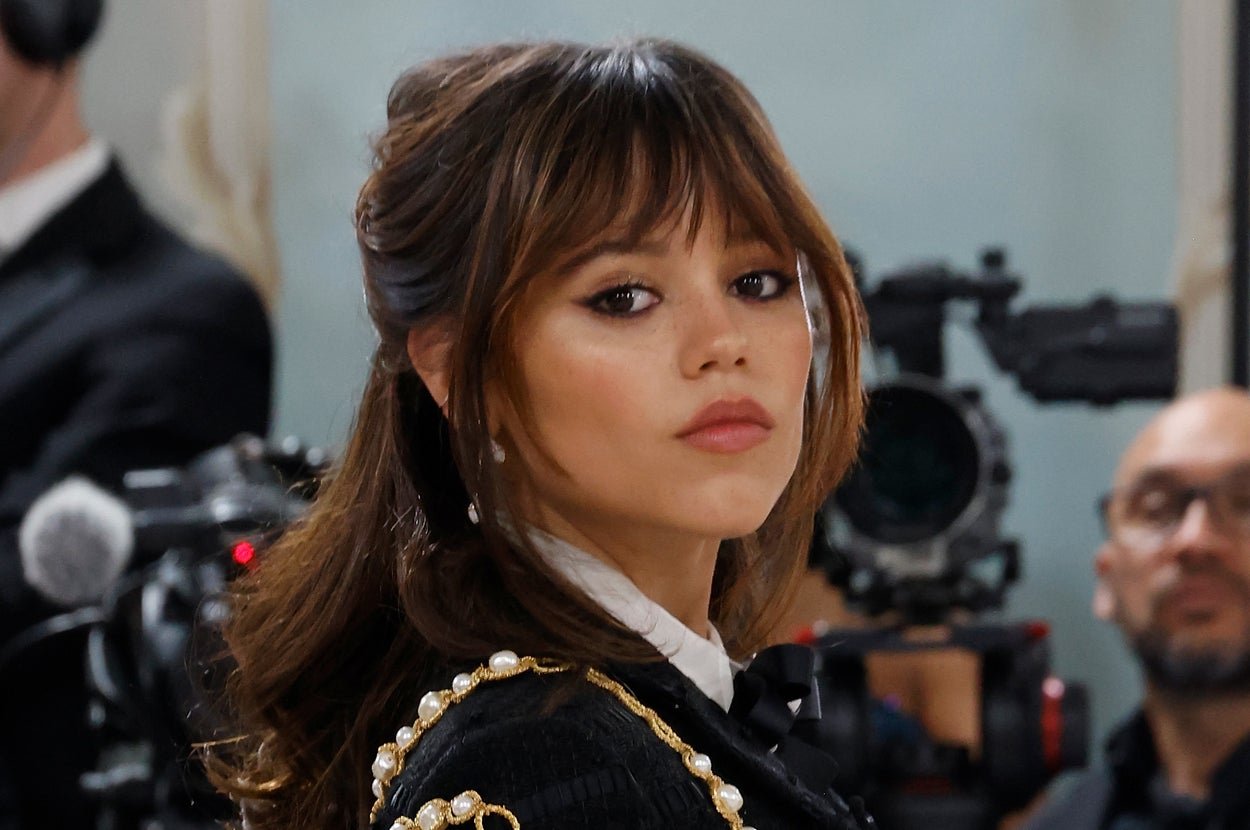

A TikTok account using an AI-generated likeness resembling actress Jenna Ortega has amassed around 1 million followers, raising fresh questions over celebrity impersonation, synthetic media and platform enforcement.
The account, called “Friday Adams”, has posted videos featuring a digital character designed to look like Ortega, who stars in Netflix’s Wednesday.
One 15-second video reportedly attracted 67.6 million views.
The account has also encouraged users to subscribe for more interaction, creating concern that audiences could be spending money or engaging with a synthetic personality while believing they are dealing with the real actress.
FCRF Launches CP-FRM to Build India’s Next Generation of Fraud Risk Professionals
Account Allegedly Dropped AI Labels
Cybernews reported that the account previously labelled some videos as AI-generated.
More recent posts, however, allegedly no longer display that disclosure.
That matters because TikTok requires realistic AI-generated content to be labelled when viewers could mistake it for genuine footage.
The platform’s rules cover synthetic faces, voices and videos that show people doing or saying things that never actually happened.
TikTok also prohibits accounts that mislead users through impersonation.
The “Friday Adams” account remained active when Cybernews published its report.
TikTok and Ortega’s representatives had been contacted for comment, but no response was included in the report.
The lack of clear labelling becomes especially important when viewers appear to believe the account is genuine.
Comments cited in the report suggest that some users were treating the digital character as if it were the real actress.
Why AI Celebrity Impersonation Is Different From Fan Content
Celebrity fan pages have existed for years.
AI changes the problem because it allows creators to generate new videos that look like original footage of a real person.
A traditional fan account might repost photographs or clips.
A deepfake account can instead fabricate scenes, speech or behaviour that never occurred.
That makes the content more difficult to recognise as fiction.
The risk grows when the synthetic persona closely resembles a real celebrity and the account encourages private interaction or paid subscriptions.
Users may assume they are communicating with the person whose face they recognise.
Even when no direct financial scam is proven, a creator can potentially profit from another person’s identity, reputation and audience.
The Ortega case is particularly notable because the account reportedly generated tens of millions of views from short videos.
Cybernews estimated that one highly viewed post could potentially have been worth thousands of dollars, although actual earnings would depend on TikTok’s monetisation rules and eligibility.
TikTok Says Realistic AI Content Must Be Disclosed
TikTok has been tightening its policies around synthetic media.
The platform requires creators to label realistic AI-generated images, audio and video so users understand that what they are seeing is not authentic footage.
TikTok also uses automatic labelling technologies, including Content Credentials and invisible watermarking, to identify synthetic material.
The company said in July that more than 3 billion videos had already been labelled as AI-generated through creator disclosures, automated systems and technical metadata.
But detection is not perfect.
AI videos can be downloaded, altered or generated using outside tools, which can remove or weaken some of the signals platforms use to recognise synthetic content.
That means platforms still depend partly on creators honestly disclosing when AI has been used.
TikTok has said accounts dedicated to misleading AI-generated spam are an increasing enforcement concern.
It is also testing stronger detection systems for synthetic content that could affect public trust.
Deepfakes Are Becoming a Commercial Identity Problem
Deepfake concerns were initially focused heavily on misinformation and elections.
The technology is now creating a broader commercial problem involving celebrity likenesses.
Synthetic influencers can copy the appearance, voice or personality of well-known individuals and build audiences around that familiarity.
Earlier research has already identified TikTok content showing creators making deepfakes of Ortega and other celebrities.
That suggests the latest account is part of a wider ecosystem rather than an isolated experiment.
For celebrities, the issue involves control over likeness and reputation.
For users, the bigger risk is knowing whether the person appearing on screen actually exists or has authorised the account.
As synthetic media improves, visual clues such as distorted backgrounds or inconsistent facial details will become less reliable.
Platform labels and account verification may therefore become more important than simply trusting what looks realistic.
What this means for you:
Do not assume a celebrity account is genuine because the face and voice look convincing. Check for verification, AI labels and official account links before paying for subscriptions, private chats or promotional offers.
Follow for daily updates on cybercrime, corporate fraud, DFIR, hacking, investigations, and digital forensics
