

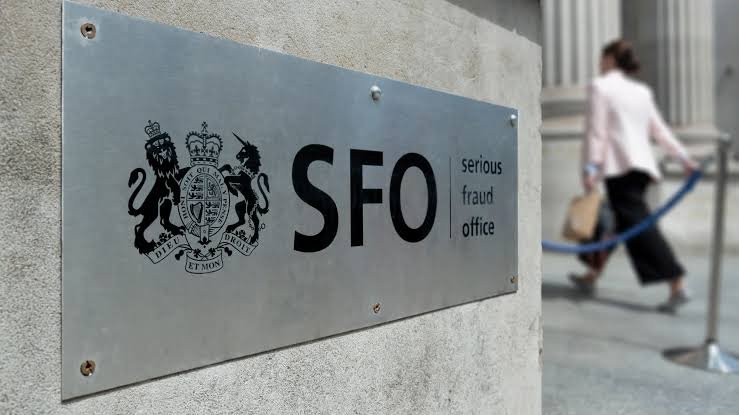

Britain is considering paying whistleblowers who provide valuable information about fraud, bribery and other serious economic crimes, in a major shift from its current system that mainly relies on legal protection rather than financial incentives.
The UK government opened a consultation on October 12 on a proposed Serious Fraud Office reward scheme. Under the plan, individuals who provide substantial and original evidence that leads to successful enforcement action could receive a share of the penalties recovered from companies.
FCRF Launches CP-FRM to Build India’s Next Generation of Fraud Risk Professionals
UK Looks to US-Style Whistleblower Rewards
The proposal would bring Britain closer to the model used by US regulators, particularly the Securities and Exchange Commission.
The SEC has long offered financial rewards to people who provide original information that leads to successful enforcement action. British officials believe this approach has helped US authorities attract valuable intelligence, including from people based in the UK.
A review of fraud prosecutions published in July 2026 by lawyer Jonathan Fisher recommended introducing incentives in Britain.
The review argued that the absence of financial rewards could mean valuable information about wrongdoing is instead being taken to US authorities, where whistleblowers may qualify for substantial payouts.
Serious Fraud Office Would Run the Scheme
The proposed programme would be operated by the Serious Fraud Office, which investigates major fraud, bribery and corruption cases.
According to the government consultation, rewards could be available regardless of where the whistleblower is based or where the information originated, provided the person meets the scheme’s eligibility requirements.
That means information supplied from outside Britain could potentially qualify if it helps the SFO pursue an economic crime case within its jurisdiction.
The consultation is also examining how payments should be calculated, what type of information should qualify and what safeguards would be needed to prevent abuse.
Rewards Would Come From Corporate Penalties
The plan is designed so that whistleblower payments would not necessarily come directly from taxpayers.
Reuters reported that rewards could instead be funded using financial penalties imposed on companies following successful investigations or enforcement proceedings.
That creates a direct link between the value of the information provided and the outcome of the case.
The government has not yet announced a fixed percentage or maximum payout.
Those details are among the issues being considered during the consultation process.
Why Britain Wants More Insiders to Come Forward
Complex corporate fraud can be extremely difficult to detect from outside a company.
Financial records, internal emails, hidden payments and decisions involving senior executives may remain invisible to investigators unless someone inside the organisation provides evidence.
Supporters of whistleblower rewards argue that insiders can give investigators a shortcut into complicated cases.
Instead of spending months trying to understand how a suspected fraud operated, prosecutors may receive documents, names, transaction details or other evidence from someone who directly witnessed the conduct.
Interim SFO director Stephen Parkinson has argued that information from insiders can function as valuable intelligence for investigators.
Critics Warn Money Could Encourage False Claims
The proposal is likely to face opposition.
Some lawyers and corporate governance specialists have warned that paying whistleblowers could create incentives for people to bypass internal reporting systems or exaggerate allegations in the hope of receiving a financial reward.
Companies may also argue that employees should first raise concerns internally so that misconduct can be investigated and corrected.
Supporters of the scheme counter that internal channels do not always work, particularly where senior executives themselves may be involved in the suspected wrongdoing.
The challenge for the government will be designing a system that rewards genuinely useful evidence without encouraging speculative or malicious complaints.
Existing UK Law Protects Workers but Does Not Usually Pay Them
Britain already provides legal protection to many workers who report wrongdoing in the public interest.
Under existing whistleblowing rules, eligible employees should not be dismissed or treated unfairly because they disclosed suspected wrongdoing.
But protection from retaliation is different from offering a financial reward.
The new proposal would introduce an additional incentive specifically for information connected to serious economic crime.
The consultation is therefore examining both the broader whistleblowing framework and the design of the SFO reward programme.
What This Means for You
For employees working in finance, auditing, compliance or large companies, the proposal could significantly change the decision to report suspected fraud.
An insider who discovers evidence of bribery, accounting manipulation or other serious wrongdoing could potentially receive both legal protection and a financial reward if the information helps authorities bring a successful case.
For companies, the change would raise the cost of weak internal compliance systems. Employees who believe their concerns are being ignored could have a stronger incentive to take evidence directly to investigators.
The wider impact could be significant. If Britain ultimately adopts a US-style reward system, whistleblowers could become a much more important source of intelligence in major fraud and corruption investigations.
Follow for daily updates on cybercrime, corporate fraud, DFIR, hacking, investigations, and digital forensics
