

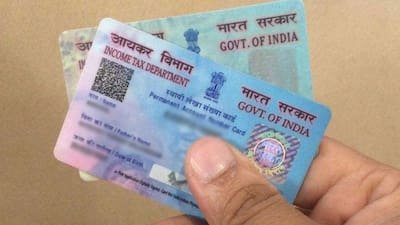

The East Delhi cyber police have arrested two brothers from Gurugram for allegedly executing an extensive online loan fraud valued at around Rs 50 crore by manipulating PAN card photographs using artificial intelligence. The suspects systematically searched online platforms for PAN numbers belonging to individuals who shared the name Gaurav Chhabra, altered the original photographs to display their own faces, and subsequently secured mobile SIM cards to obtain fraudulent loans from non-banking digital lending platforms. Authorities have identified details linked to roughly 50 individuals nationwide whose personal identities were compromised, seizing 25 bank passbooks, 27 debit cards, 11 mobile handsets, and 10 SIM cards during the operation.
Discovery of Fraudulent Loans Through Patparganj Complaint
The investigation commenced after a Patparganj resident approached cyber crime officials upon discovering multiple unauthorised loan accounts operating against his PAN credentials. The complainant observed a severe decline in his CIBIL credit score and found more than 30 active loan accounts amounting to approximately Rs 7 lakh registered in his name without prior consent. In addition, his credentials had been listed as a guarantor for other third-party borrowings totalling nearly Rs 47 lakh.
Upon launching a technical inquiry, investigators examined mobile numbers and identity documents attached to the disputed credit applications. Although the victim maintained that he operated only a single registered mobile connection, records demonstrated that multiple unauthorized telephone numbers were registered under his identity to facilitate financial transactions. Tracing the digital trail and telecommunication records enabled cyber units to pinpoint the operational base in Gurugram, culminating in the apprehension of the suspects.
Modus Operandi Involving AI Alterations and SIM Issuance
The arrested individuals have been identified as Gaurav Chhabra and his brother Shubham, both residing in Jyoti Park, Sector 7, Gurugram. Police inquiries revealed that the suspects gathered the Patparganj victim’s PAN details from publicly available internet sources before deploying AI photo-editing software to replace the original image with their own portrait. The tampered document was presented to telecommunication providers to acquire 10 unauthorized SIM cards under the victim’s name.
Armed with active telephone lines and altered documentation, the brothers approached digital financial platforms that rely on electronic PAN verification to approve retail credit. Through repeated submissions under the victim’s profile, the accused secured loans amounting to approximately Rs 1 crore. Police officials stated that online lending platforms accepting PAN photocopies without sufficient physical verification enabled the suspects to bypass standard risk evaluations.
Nationwide Victim Network and Origin of the Racket
Interrogation records indicate that the accused brothers developed their fraudulent scheme around 2022 after spending time during the Covid-19 lockdowns studying television crime programmes such as Crime Patrol. Police say the operation systematically targeted individuals named Gaurav Chhabra to match the name on the altered identification documents. Investigators have tracked approximately 50 people across India bearing this exact name whose details appear linked to the racket, with 10 victims directly verified so far.
Financial units are auditing the seized banking records and electronic equipment to trace the flow of borrowed funds, which were routinely transferred into private accounts managed by the siblings. Cyber officials continue to contact potential victims to document the scale of fraudulent borrowings, review linked bank accounts, and examine whether external collaborators supported the document tampering and digital loan approvals.
Follow for daily updates on cybercrime, corporate fraud, DFIR, hacking, investigations, and digital forensics
