

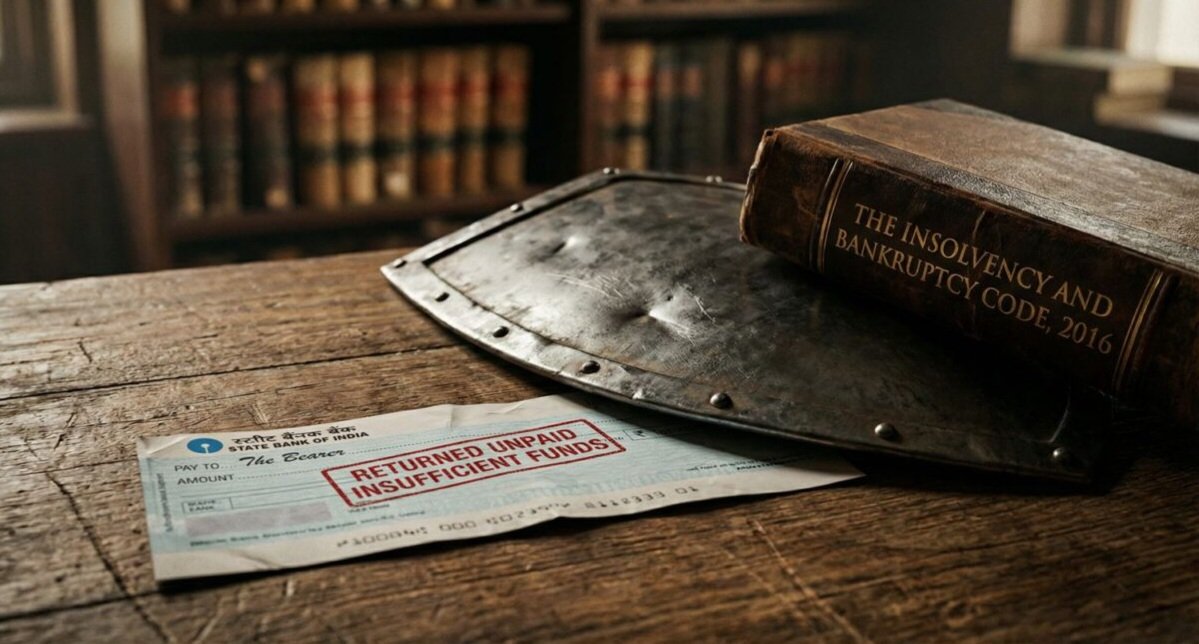
A ₹6.5 crore settlement against claims exceeding ₹22,000 crore has renewed scrutiny of alleged manipulation in India’s insolvency process.
Why Is the Insolvency Process Under Scrutiny?
The settlement involving Zee founder Subhash Chandra has brought fresh attention to the effectiveness of the Insolvency and Bankruptcy Code and whether the Corporate Insolvency Resolution Process is being exploited at the expense of creditors.
At a conference of Enforcement Directorate officers in Bengaluru, the agency identified “unearthing frauds under the IBC and the PMLA” as its first operational thrust area. This includes re-examining allegedly collusive resolutions involving disproportionately large haircuts through which promoters regain assets.
The ED has investigated close to a dozen cases over the past two years involving alleged manipulation of insolvency proceedings.
FCRF Launches CP-FRM to Build India’s Next Generation of Fraud Risk Professionals
What Happened in the Alchemist Case?
The ED has been investigating the Alchemist Group over alleged money laundering of more than ₹1,840 crore since 2016. Sai Tech Medicare Pvt Ltd initiated insolvency proceedings against Alchemist Ltd in 2021.
The resulting committee of creditors was dominated by three group companies. Technology Parks held 97 per cent of voting rights, while Alchemist Township and Alchemist Realty held 1.74 per cent and 0.61 per cent respectively.
The NCLT later held that the process was vitiated by “fraud and collusion” and “fraudulent and malicious intent”. It recalled the proceedings, nullified the resolution professional’s appointment and actions, and imposed a ₹5 lakh penalty on Sai Tech Medicare. The Calcutta High Court later asked the CBI to probe the process.
How Was Sunstar’s Resolution Questioned?
The ED began investigating Sunstar Overseas Ltd in 2024 and alleged that the company was effectively used to finance its own takeover through insolvency proceedings.
Sunstar had admitted claims of ₹1,274.14 crore but was taken over for ₹196 crore by Umaiza Infracon LLP, an approximately 85 per cent haircut. The ED alleged that funds were siphoned from Sunstar to the company presented as an independent resolution applicant. Three people were arrested in July 2024 and assets worth ₹294.19 crore were attached. The prosecution complaint names 25 people and entities.
What Did the ED Allege in Richa Industries?
In its investigation into an alleged ₹236 crore bank fraud involving Richa Industries Ltd, the ED alleged that promoters incorporated Saariga Constructions Pvt Ltd using a former employee as a benamidar.
Saariga allegedly obtained voting rights in the creditors’ committee and later submitted a resolution plan to reacquire Richa Industries. The agency also alleged that nearly ₹40 crore was diverted during the insolvency period.
Richa was eventually liquidated. When sold as a going concern in October 2025, public sector banks received ₹40.29 crore against admitted claims of ₹696 crore, an approximately 94 per cent haircut. The ED also attached properties worth about ₹112 crore.
What Other Cases Show Similar Concerns?
In a Gurugram case involving Universal Buildwell Pvt Ltd, the ED alleged manipulation of company land sales during resolution, including predetermined and artificially suppressed bids. About ₹50 lakh in unexplained cash was seized from two intermediaries.
In Bhasin Infotech, the agency alleged that 384 commercial units valued at ₹203 crore were transferred through sham and backdated agreements. It attached 389 properties worth ₹240 crore and arrested promoter Satinder Singh Bhasin.
The ED has also alleged irregularities involving Kohinoor Power, Best Foods, Homestead Infrastructure and Golden Peacock, including diversion of funds, changes to creditors’ committees and resolution plans allegedly linked to former promoters.
How Large Are the Wider Cases?
In the Reliance Communications case, the ED alleged that proceeds from a bank fraud exceeding ₹40,000 crore were used to acquire a Manhattan condominium later sold during insolvency proceedings without the resolution professional’s knowledge or consent.
In JVL Agro, the underlying alleged bank fraud was pegged at about ₹1,992 crore.
Bhushan Power and Steel faced alleged bank fraud of ₹47,204 crore before being resolved for about ₹19,350 crore. The ED attached assets worth about ₹4,938 crore, of which ₹4,025 crore was restituted to the successful resolution applicant following a Supreme Court order.
The cases, detailed in reporting by The Indian Express, point to wider concerns over alleged misuse of India’s insolvency process.
Follow for daily updates on cybercrime, corporate fraud, DFIR, hacking, investigations, and digital forensics
