

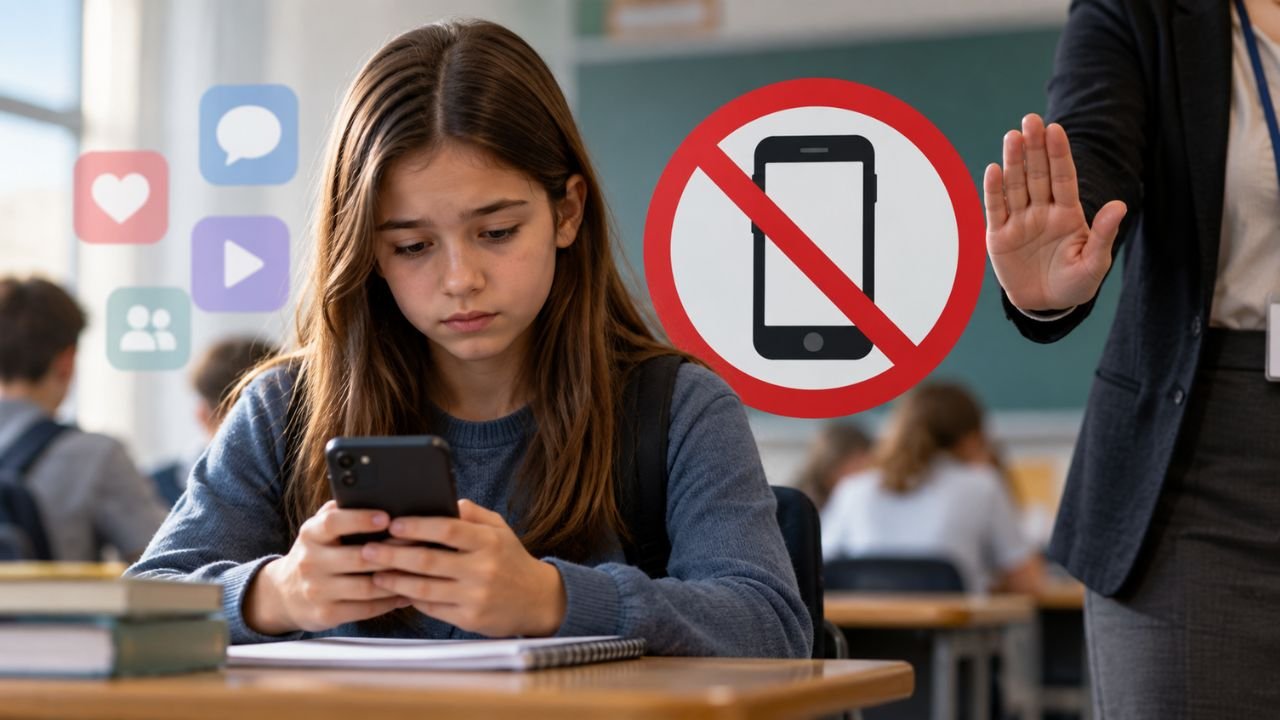

New Delhi. The Supreme Court has asked the Centre to take necessary steps within the existing legal framework to address the issue of minors using social media platforms. The court questioned how children aged 12 to 13 can open accounts on social media platforms when doing so requires them to accept terms of service and other agreements. It said social media platforms must ensure that their systems comply with Indian law. If the Centre fails to address the issue, the court may consider issuing directions to the platforms.
A bench headed by the Chief Justice made the observations while hearing a public interest litigation seeking safeguards to prevent minors from opening social media accounts and to protect children from potential online risks. The bench also comprised Justice Joymalya Bagchi and Justice V. Mohana. The petition has been filed by the non-profit organisation Just Rights for Children Alliance.
FCRF Launches CP-FRM to Build India’s Next Generation of Fraud Risk Professionals
The petition seeks safeguards against minors opening and operating accounts on social media and digital platforms such as Twitter and Instagram. Senior advocate HS Phoolka, appearing for the petitioner, highlighted several potential risks associated with exposing children to the online environment.
During the hearing, the bench questioned how social media platforms could allow children between 12 and 13 years of age to open accounts. The court linked the issue to the existing legal framework and said the Centre should take appropriate steps to address the situation.
Solicitor General Tushar Mehta, appearing for the Centre, told the court that the Digital Personal Data Protection Act, 2023 contains certain safeguards for children. He said that parental consent is provided for persons below 18 years of age, noting that some educational applications require user consent.
The court asked the Centre to consider issuing necessary directions under the Information Technology (Intermediary Guidelines and Digital Media Ethics Code) Rules, 2021, so that social media intermediaries can design their systems in conformity with Indian laws. The Centre was given time to consider the issue within the existing statutory framework.
The bench also indicated that a minimum age of 18 years could be required at the membership stage. It observed that if the Centre does not take the necessary steps, the court may be compelled to issue directions against social media intermediaries.
The petition highlighted several potential risks to children from social media use. These include online grooming, sexual exploitation, trafficking, behavioural profiling, misuse of personal data, cyberbullying and exposure to age-inappropriate content. According to the petition, such risks can affect children’s safety, dignity, development and overall well-being.
The petition also argued that opening an account on a social media or digital platform requires users to accept terms of service, user agreements and privacy policies. It referred to provisions concerning the contractual capacity of minors under Indian law and argued that the legal position surrounding such agreements entered into by persons below 18 should be addressed.
The Digital Personal Data Protection Act, 2023 recognises the special vulnerability of children and provides for verifiable parental or guardian consent for the processing of a child’s personal data. The petition, however, pointed out that the 2021 Intermediary Rules do not specifically address the contractual capacity of minors to access and use social media services or digital platforms.
The petitioner argued that this statutory gap prevents an effective prohibition on children opening or maintaining social media accounts. It sought directions requiring the Centre to address the issue and establish appropriate safeguards.
The petition further sought a direction that, until necessary guidelines are framed under the 2021 Rules, digital platforms should be restrained from allowing persons below 18 years of age to open social media accounts.
Earlier, while issuing notice on the petition on September 10, the court had observed that safeguards were needed in India to protect children from potential online risks.
The Centre has now been given an opportunity to examine the issue and consider appropriate measures within the existing statutory framework. The court has made it clear that if the necessary steps are not taken, it may issue directions to social media intermediaries to ensure greater protection for minors.
Follow for daily updates on cybercrime, corporate fraud, DFIR, hacking, investigations, and digital forensics
