

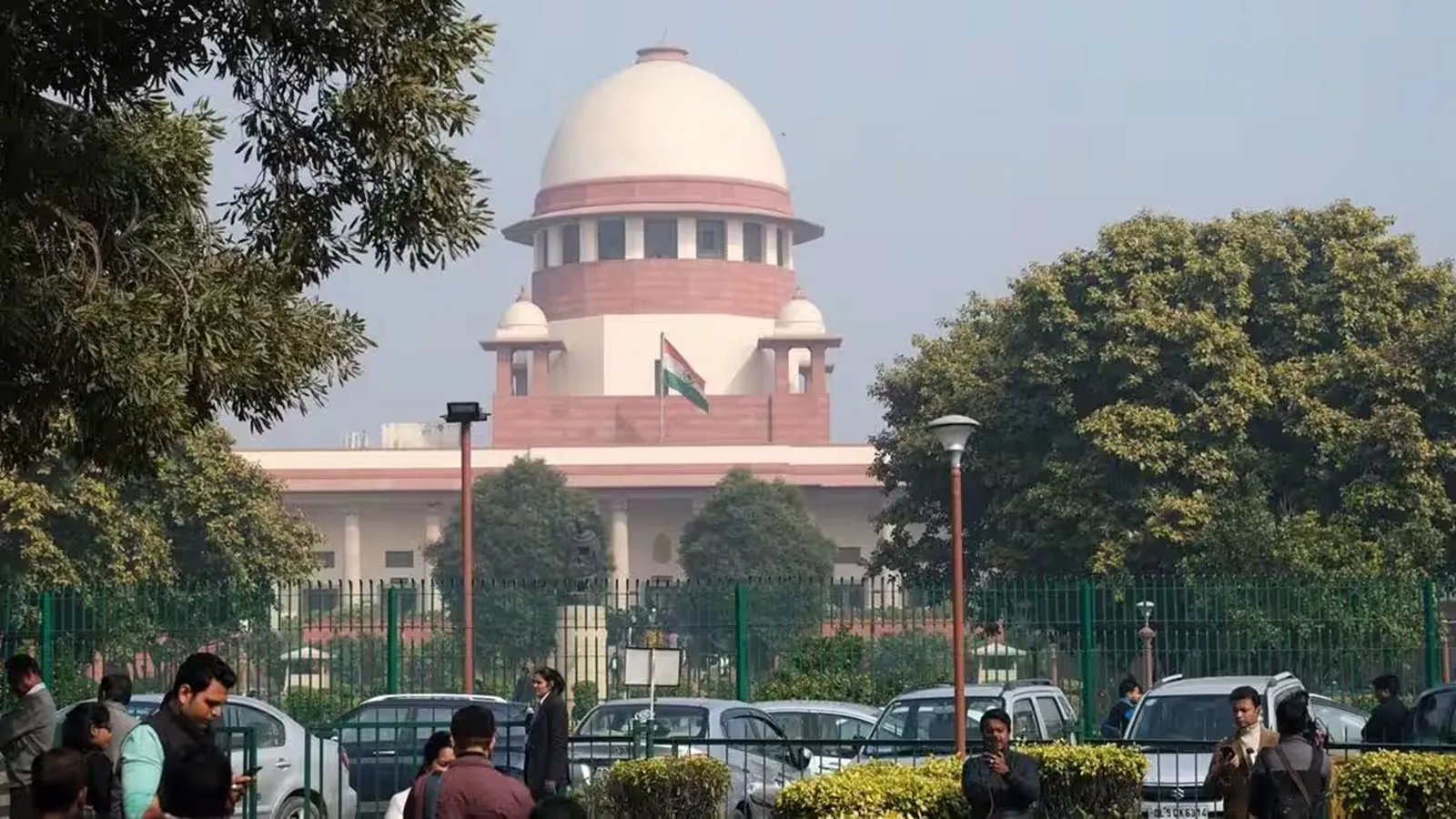

The Supreme Court has directed private universities across India to disclose five years of audited financial records, fee structures, fund utilisation and investments, while making it clear that such institutions cannot be operated as profit-making entities.
A bench of Justice Ahsanuddin Amanullah and Justice N.V. Anjaria passed the directions on September 17 while hearing a case that began with a student grievance involving Amity University, Noida. The proceedings have since widened into a broader examination of the functioning, finances and regulation of private universities across the country.
The Union government, states and Union Territories have been asked to collect the required information from universities and colleges and place it before the Court through affidavits within six weeks. The matter is scheduled to be heard next on November 19.
Proposal for Conducting Cyber Crisis Drill, Tabletop Exercise (TTEx) & CCMP Readiness Exercise
Universities must disclose where their money comes from and how it is used
The Court has sought audited financial records covering the previous five years.
The information must include details of funds generated by private universities, how those funds were utilised, payments made to individuals who are not directly involved in educational functions, and the manner in which surplus funds have been invested.
The Court has also asked institutions to disclose the benefits they have received from the Central or state governments.
These can include land allotments, exemptions or relaxations under existing laws and any other special privileges provided to the institution.
The direction could bring greater scrutiny to the financial structure of private higher-education institutions, particularly where substantial fees are collected from students while institutions also receive land, concessions or other public benefits.
Fee collection and additional charges also under scrutiny
Private universities will have to explain the fees collected from students at the time of admission as well as during the course.
The Court has specifically sought information on additional collections under different heads, including development funds and charges for special events.
It has also asked institutions to disclose how any surplus is handled.
Importantly, the Court has not said that a university cannot generate any surplus.
Instead, it said an institution may maintain a reasonable financial cushion so that its resources are managed responsibly, operations continue smoothly and teaching and non-teaching employees are paid appropriately. What the Court has objected to is the diversion of institutional resources away from their educational purpose.
The distinction matters because a financially healthy institution may need reserves for infrastructure, salaries, research and expansion. The Court’s focus is on whether those resources remain connected to education rather than being used as a mechanism for private profit.
Admissions, examinations and faculty recruitment must also be disclosed
The Supreme Court’s directions go beyond financial accounts.
Universities have been asked to explain the exact procedure used for admitting students into each course and identify the people responsible for admissions, setting examination papers, conducting exams, evaluating answer sheets and handling institutional funds.
The role of university management in these processes must also be disclosed.
Institutions will also have to provide details about the recruitment of teaching and non-teaching employees, their salaries and other benefits, and the manner in which they are paid.
The Court has additionally sought information on service conditions and classroom allocation.
For teaching staff, universities have been asked to provide details from January 2025 onwards showing how many classes were assigned, how many were actually conducted and what alternative arrangements were made where teachers were unavailable.
Regulators asked to disclose inspection records
The scrutiny also extends to bodies responsible for recognising and regulating professional colleges and universities.
The Court has directed affiliating and recognising authorities to provide information on inspections carried out during the previous five years, including details of faculty and support staff on the basis of which recognition or affiliation was granted.
The order names regulators including the National Medical Commission, Dental Council of India, Indian Nursing Council, Bar Council of India, Pharmacy Council of India and other professional bodies.
Relevant affidavits are to be personally affirmed by the chairman or president of the respective regulator.
Where colleges are attached to hospitals, details of the relationship between the educational institution and the hospital have also been sought.
This could become particularly significant for medical and healthcare institutions, where faculty strength, hospital infrastructure and patient exposure are important conditions for recognition.
Student dispute expands into nationwide examination
The proceedings originated in Ayesha Jain versus Amity University, Noida and others.
While the dispute began with an individual student grievance, the Supreme Court said the issues raised required examination in the larger public interest.
The Court said education fundamentally serves the public and made clear that a private university cannot simply function as a profit-making institution.
The six-week disclosure exercise could now give the Court a detailed view of how private universities across India collect fees, manage surpluses, pay management and employees, conduct admissions and examinations, receive government benefits and comply with regulatory inspections.
The next stage will depend on what emerges from the affidavits filed by the Union government, states and Union Territories before the November 19 hearing.
What this means for you: Students and parents could gain greater clarity on how private universities use fees and institutional surpluses if the disclosures lead to stronger transparency standards. The order does not ban universities from maintaining reserves, but places greater scrutiny on whether money collected for education is being diverted elsewhere.
Follow for daily updates on cybercrime, corporate fraud, DFIR, hacking, investigations, and digital forensics
