

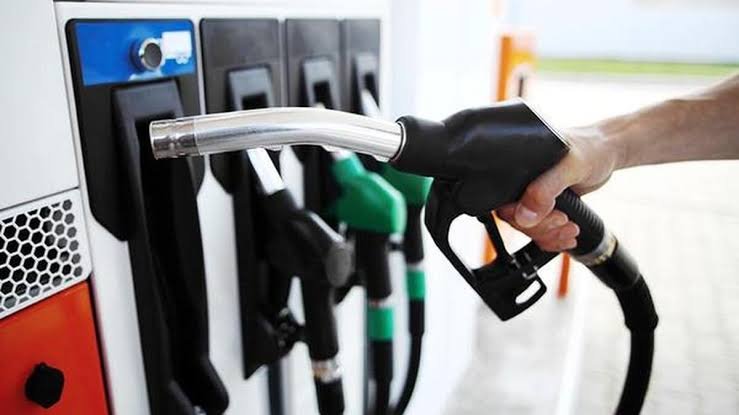

The Uttar Pradesh government has ordered district-level task forces to inspect biodiesel production and retail centres across the state amid complaints of adulterated fuel, unauthorised bio-pumps and alleged franchise schemes collecting as much as ₹20–30 lakh from prospective operators.
Every registered and unregistered biodiesel and bio-pump centre is to undergo physical verification within 15 days. Units found operating without required permissions or in violation of prescribed standards can be sealed, with their fuel stock and dispensing equipment seized.
The crackdown follows complaints that some private companies and individuals allegedly offered letters of intent, or LOIs, and biodiesel franchises without establishing legally authorised production facilities.
Prospective operators were allegedly asked to pay between ₹20 lakh and ₹30 lakh to secure such dealerships.
Proposal for Conducting Cyber Crisis Drill, Tabletop Exercise (TTEx) & CCMP Readiness Exercise
Every district to get a three-member task force
The inspection teams will include a sub-divisional magistrate, the district supply officer and a project officer from the Uttar Pradesh New and Renewable Energy Development Agency, or UPNEDA.
Officials will examine licences, no-objection certificates, fuel stocks, purchase and sales records and dispensing equipment. Samples will also be collected from centres and sent to laboratories operated by oil marketing companies for quality testing.
If the fuel fails to meet prescribed standards, further action can be initiated against the operator.
The state has previously faced concerns over illegal biodiesel outlets. In Aligarh, local authorities had earlier ordered action against unlicensed pumps and suspected adulterated diesel and petrol, with officials warning consumers against purchasing fuel from unidentified outlets selling below-market products.
The new directions expand that scrutiny across Uttar Pradesh rather than leaving enforcement largely to individual districts.
Fake LOIs allegedly used to sell costly franchises
One of the more serious allegations concerns people being persuaded to invest large amounts in biodiesel businesses using privately issued LOIs and franchise documents.
An LOI, or Letter of Intent, normally indicates that an organisation intends to proceed with a proposed arrangement. It does not automatically replace statutory approvals needed to manufacture, store or sell fuel.
Officials have therefore warned that possessing a private company’s LOI or franchise agreement alone does not make a biodiesel outlet legal.
Depending on the activity, operators may still require permissions covering fire safety, pollution control, weights and measures, explosives safety and other regulatory requirements.
Uttar Pradesh’s bio-energy framework also provides for registration and oversight of eligible projects through UPNEDA. The state policy recognises projects linked to approved bio-energy programmes and sets out a registration framework for such units.
The distinction is important because legitimate government-backed biofuel programmes can also involve LOIs. For example, oil marketing companies have issued LOIs under national biofuel initiatives for approved projects. An LOI itself is therefore not suspicious; the issue is whether it is genuine, who issued it and whether all other regulatory approvals exist.
What B-100 biodiesel actually means
B-100 refers to fuel containing essentially 100% biodiesel rather than a smaller amount blended with conventional diesel.
Biodiesel is produced from renewable sources such as vegetable oils, used cooking oil or certain fats. When produced to prescribed specifications, it is a recognised alternative fuel.
The problem begins when operators allegedly sell ordinary diesel, chemically altered fuel or substandard mixtures while presenting them as compliant biodiesel.
Poor-quality or adulterated fuel can affect engines and fuel systems. Illegal sales can also bypass taxes, licensing requirements and safety controls designed for storing and dispensing combustible products.
Under the Uttar Pradesh enforcement drive, officials will therefore test the actual fuel rather than relying only on documents displayed by an outlet.
Earlier police cases triggered wider scrutiny
Police cases have already been registered in connection with allegedly illegal or adulterated fuel operations at Eka police station in Firozabad and Kurawali police station in Mainpuri.
Those cases have now become part of the wider enforcement backdrop as authorities move towards systematic physical verification.
Investigators will also examine whether centres claiming to sell biodiesel are actually conducting the business for which they received permission or are using the premises to sell other fuels.
The government’s approach targets two different risks at once. One involves consumers who may unknowingly purchase adulterated or substandard fuel. The other involves aspiring business owners who may pay lakhs of rupees for a dealership or franchise believing that a private document gives them legal authority to operate.
The 15-day verification exercise should give district administrations a clearer picture of how many biodiesel outlets are operating legally and how many require further investigation.
What this means for you: Before paying for any biodiesel dealership or franchise, verify the company, LOI and required government approvals directly with UPNEDA and district authorities. Consumers should avoid fuel outlets that cannot clearly display their authorisation and product details.
Follow for daily updates on cybercrime, corporate fraud, DFIR, hacking, investigations, and digital forensics
