


The global technology landscape is currently locked in what industry analysts describe as the AI Third World War, a high-stakes race where tech behemoths like OpenAI, Google, Microsoft, Meta, Anthropic, and xAI are pouring hundreds of billions of dollars into foundation models and specialized data centers.
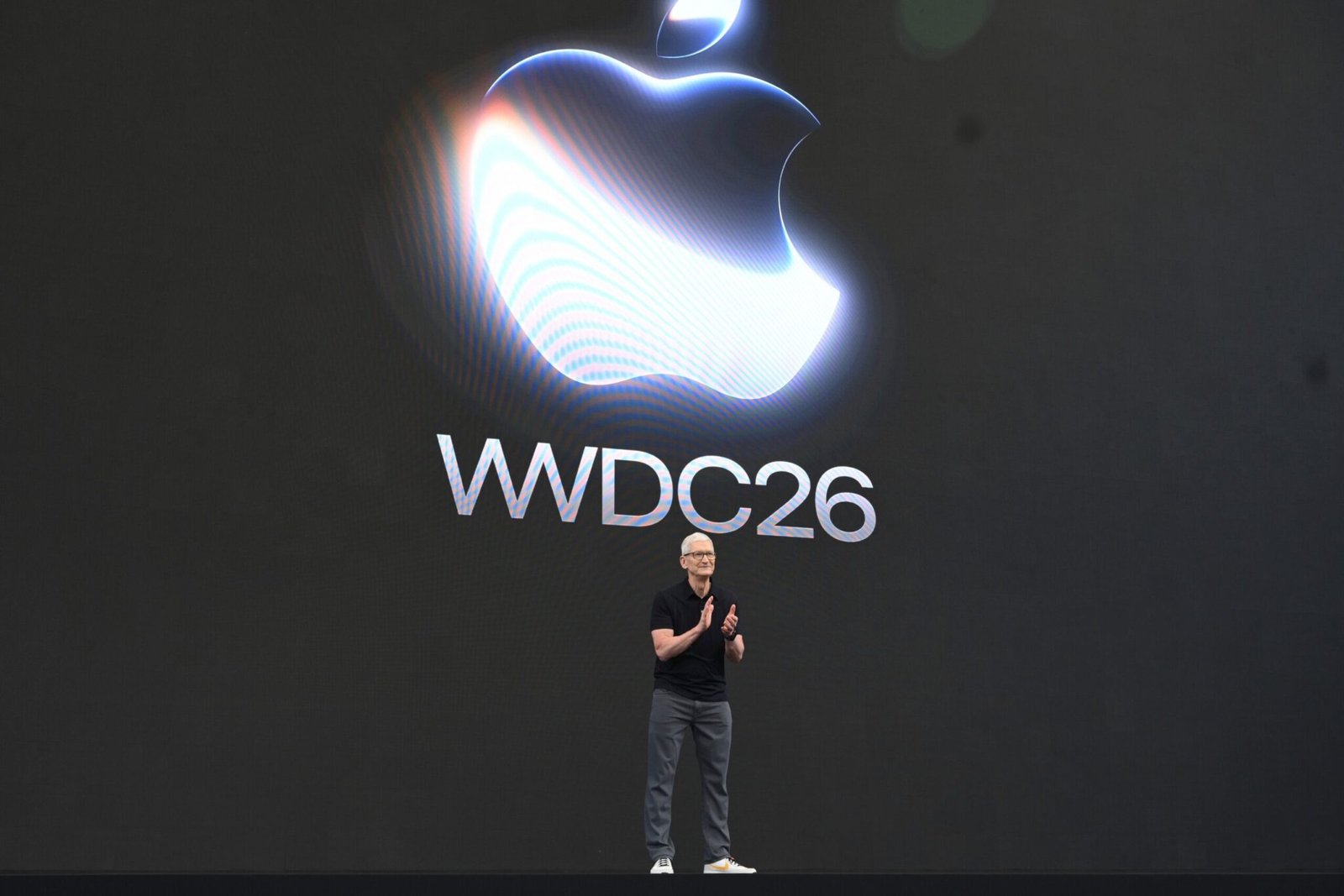
While these tech giants battle aggressively to define the future of artificial intelligence, Apple has taken a noticeably distinct approach by deliberately standing on the sidelines while the initial dust settles.
Instead of participating in an unsustainable compute war, Apple is positioning itself to leverage its massive, highly integrated device ecosystem. The company’s strategy focuses on interface control, privacy-centric local processing, and strategic partnerships, allowing its competitors to absorb the immense capital expenditures and hardware depreciation risks associated with early-stage foundation model training.
Algoritha Security Launches ‘Make in India’ Cyber Lab for Educational Institutions
The Mechanics of the AI Ecosystem War.
The AI Third World War represents the brutal capital expenditure race among frontier AI developers competing to establish dominant foundational models, secure proprietary training data, and capture global developer mindshare.
Compute Infrastructure Squeeze refers to the severe economic strain caused by hyper-scale data center expansion, which has driven massive spikes in memory chip costs and enterprise hardware procurement across the tech sector.
Ecosystem Lock-In describes the strategic risk of an tech company being excluded from the primary interface layer through which users interact with digital services and generative AI tools.
Commoditization of Foundation Models occurs when raw artificial intelligence capability becomes widely available across multiple competing providers, shifting commercial leverage back toward consumer distribution channels and hardware interfaces.
The Escalating Capital War Among Tech Giants
Frontier artificial intelligence research has transformed into one of the most capital-intensive endeavors in modern corporate history. Companies like Google, Microsoft, and Meta are committing record-breaking capital budgets toward acquiring specialized AI accelerators, building high-density data infrastructure, and securing gigawatt-scale power arrangements.
This relentless arms race has triggered significant supply chain pressures, driving up memory prices and operational expenses across the entire computing industry. The financial burden is so immense that even profitable tech conglomerates are facing margin compression as they attempt to stay ahead in model performance capabilities.
Apple’s Calculated Wait-and-See Strategy
Apple’s deliberate refusal to join the multi-billion-dollar foundation model spending war reflects a calculated long-term strategy rather than technological hesitation. By focusing on Apple Intelligence and hybrid on-device processing, the company prioritizes consumer privacy and battery efficiency over pure parameter scale.
Furthermore, Apple controls the ultimate distribution bottleneck: billions of active premium hardware devices used daily worldwide.
Rather than spending tens of billions to train competing frontier models, Apple can simply plug third-party AI services into its operating systems, effectively turning former competitors into commodity utility providers.
The Strategic Advantage of Interface Control
History demonstrates that platform owners who control the user interface ultimately capture a substantial share of technological value creation. By retaining complete command over iOS and macOS, Apple ensures that consumers access generative tools through its curated system architecture.
This positioning allows Apple to wait for foundation model costs to stabilize and performance standards to mature before deeply embedding features into its core software.
As third-party models inevitably become commoditized, the leverage swings back to the platform provider holding the direct relationship with the end user.
Navigating Long-Term Risks and Ecosystem Ownership
While Apple’s patient posture insulates it from massive capital depreciation, it is not without strategic vulnerability. If a rival tech giant creates a paradigm-shifting autonomous agent that completely replaces native operating systems, Apple risks having its hardware reduced to a passive display terminal.
However, Apple’s vast cash reserves and unmatched brand loyalty provide a formidable defensive moat. By letting rivals bear the cost of pioneer errors, Apple preserves its capital while waiting to deploy refined, consumer-ready AI experiences when the market matures.
What this means for you: Apple users can expect steady, privacy-focused AI updates without immediate price hikes, as tech giants absorb major AI research costs.
