

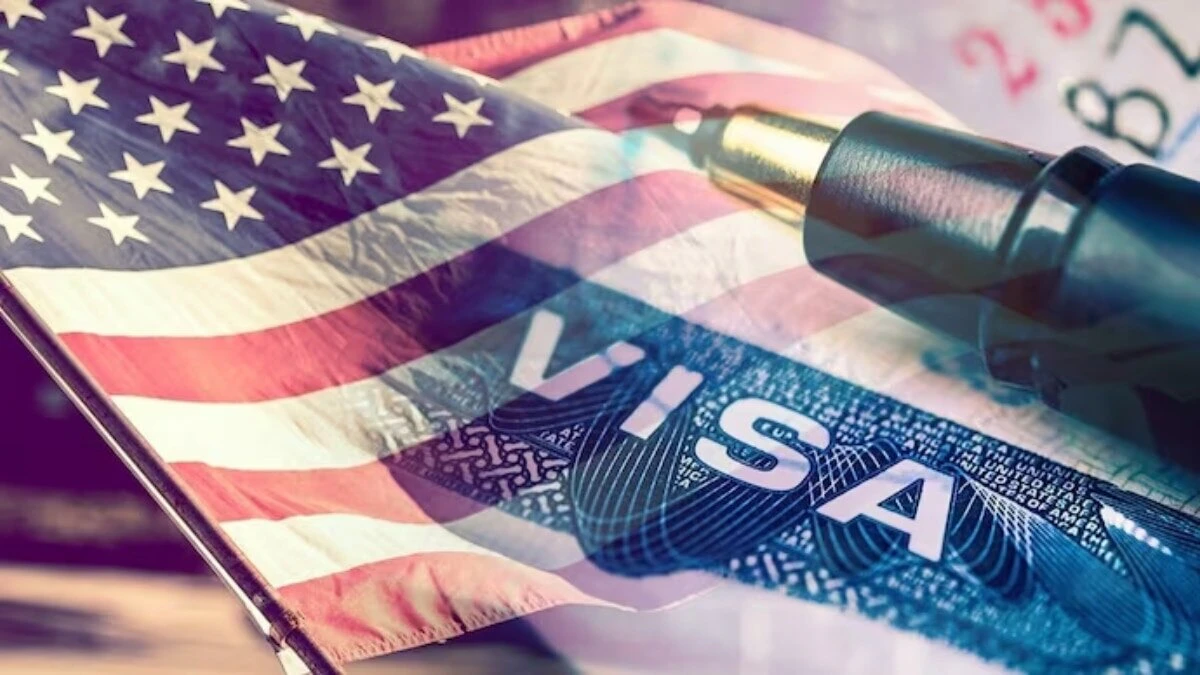
The Trump administration has temporarily paused immigrant visa processing worldwide as part of a sweeping tightening of the U.S. immigration system, a move creating major uncertainty for Indian applicants. The U.S. State Department has not specified a timeline for when normal scheduling will resume.
The pause stems from a global training program across U.S. embassies and consulates designed to train consular officers to scrutinize applicants for potential dependency on U.S. public benefits, broadly known as the public charge rule.
Decoding Public Charge and Consular Screening
Understanding the legal mechanisms driving the current visa delays requires clarifying essential immigration terminology.
The Public Charge Rule is a provision under U.S. immigration law allowing consular officers to deny visas to applicants deemed likely to depend primarily on government public assistance or benefits for their basic livelihood.
Consular Processing refers to the official procedure where individuals seeking green cards or permanent residency complete their final visa interviews and document verifications at U.S. embassies or consulates in their home countries.
Heightened scrutiny is also being applied across digital portals, public activity histories, and employment-backed petitions, leading to broader visa review processes.
Algoritha Security Launches ‘Make in India’ Cyber Lab for Educational Institutions
Interview Appointments Rescheduled as Training Underway
Applicants worldwide who had previously booked appointments at U.S. diplomatic missions are receiving automated cancellation notices via email. The State Department has indicated that updated interview slots will be issued at a later date, leaving thousands of applicants in limbo.
The State Department confirmed that the initiative aims to establish comprehensive and consistent evaluations across all overseas posts. However, the absence of a clear resumption date has forced families and professionals to delay travel, housing, and career plans.
Escalating Immigration Measures Under Trump Administration
This global processing pause aligns with broader administrative actions aimed at restricting legal and illegal entry into the United States. Recent policy shifts have involved visa cancellations linked to applicants’ political participation, as well as heightened scrutiny surrounding student and employment categories.
The policy requiring green card applicants to attend processing interviews in their country of origin—even if living legally in the U.S.—amplifies the impact. Many affected individuals who traveled abroad for scheduled interviews now find themselves stuck outside the U.S. awaiting rescheduled slots.
Indian Applicants Face Steepest Uncertainty
Because India represents one of the largest pools for U.S. family-based and employment-driven immigration, Indian professionals and families bear a disproportionate share of the operational backlog. The processing disruption creates severe friction for those pursuing permanent residency or dependent status.
Compounding this uncertainty are advocacy concerns over proposed financial hikes to the H-1B visa program and stricter enforcement surrounding tourist visa holders. Groups like NAPA and FIIDS continue urging U.S. lawmakers to distinguish between legitimate applicants and fraudulent claims to avoid penalizing qualified Indian workers and families.
What this means for you: If you have an upcoming U.S. immigrant visa interview, check your email daily for rescheduling notifications before making international travel arrangements. Do not travel out of the country for a consular interview without verifying that your embassy appointment remains confirmed on official portals.
