

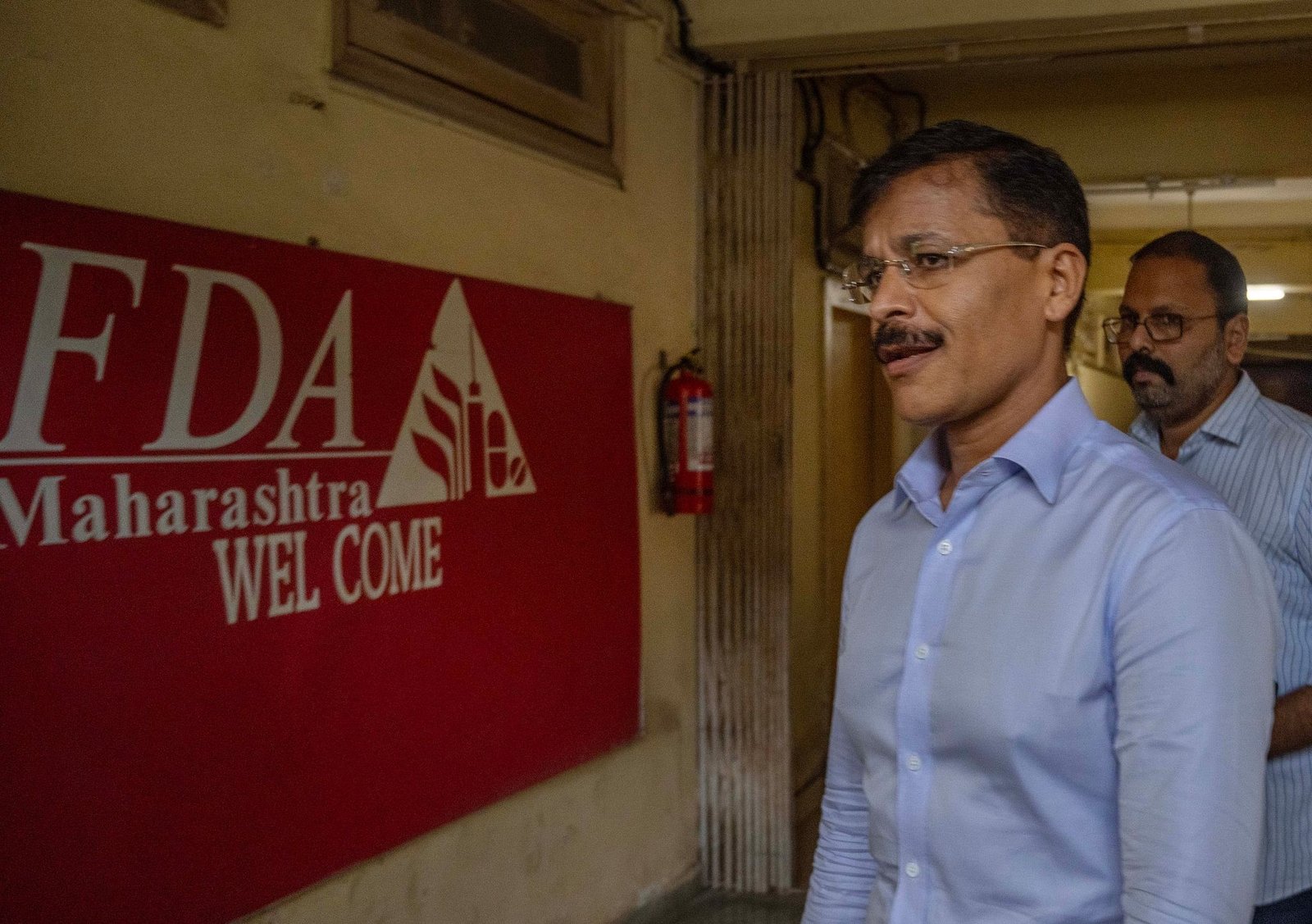

The Maharashtra Food and Drug Administration has suspended the operational licence of a prominent commercial canteen located inside Dadasaheb Phalke Chitranagari, widely known as Goregaon Film City, following an unannounced inspection that uncovered severe hygiene violations and unsafe food preparation practices. The administrative action, executed under the direction of FDA Commissioner Tukaram Mundhe, was initiated after formal representations by the All Indian Cine Workers Association raised grave concerns over the quality of food and water supplied to workforce members across television and film production sets.
While the glamour and financial magnitude of India’s Hindi film industry routinely dominate public headlines, the daily operational reality for thousands of behind-the-scenes crew members involves grueling shifts in environments lacking basic occupational safety guarantees. The regulatory crackdown highlights longstanding sanitation vulnerabilities within an entertainment ecosystem where daily-wage workers depend almost entirely on on-site catering facilities for their daily sustenance.
Operational Hazards Behind the Cinematic Canvas
During the surprise enforcement action at the Film City facility, regulatory inspectors documented critical public health breaches, including active pest infestations, unmaintained drainage channels, and food items prepared on rusted and unclean surfaces. Confronted with clear statutory non-compliance, the State Government authority suspended the canteen’s operating licence and initiated formal penal proceedings under Section 69 of the Food Safety and Standards Act.
The regulatory intervention has illuminated broader structural deficiencies across production ecosystems operating throughout Maharashtra. On typical shooting schedules, technical crews, lighting operators, camera assistants, spot boys, and makeup artists routinely remain on set for shifts exceeding fourteen to sixteen hours. For these workers, who lack alternative dining options in secluded studio lots or distant outdoor shooting locations, unhygienic catering services present direct and immediate health hazards.
Trade union representatives emphasize that complaints regarding stale food ingredients, unwashed cooking equipment, and unverified drinking water supplies have persisted for years without adequate administrative intervention. The worker association has argued that aggressive budget optimizations by production houses and channels frequently compromise catering standards, effectively forcing lower-tier crew members to absorb the physical consequences of substandard workplace practices.
Enforcement Drives and State-Wide Regulatory Scrutiny
The crackdown at Goregaon Film City forms part of a broader, aggressive statewide campaign by the Maharashtra Food and Drug Administration to enforce statutory sanitation benchmarks across commercial food establishments. Recent enforcement drives directed by the regulator have resulted in numerous licence suspensions, targeting quick-commerce fulfilment centres, dark kitchens, hotel units, and corporate food warehouses failing basic public health audits.
The intervention has energized demands from labor bodies for comprehensive, unannounced inspections across all indoor studios, outdoor shooting sets, and permanent production complexes throughout Maharashtra. Industry advocates maintain that sporadic inspections must evolve into systemic compliance mechanisms to ensure uniform adherence to Food Safety and Standards Authority of India regulations across the state’s sprawling media sector.
Worker collectives have also called for stringent legal accountability against defaulting entities, advocating for the formal blacklisting of negligent catering contractors and the registration of First Information Reports against production banners, channels, and producers where criminal negligence or severe food safety violations are established.
Legal Imperatives for Workplace Safety Standards
Under statutory labour guidelines and public health legislation, maintaining safe working conditions remains a shared legal responsibility between studio property administrators, production houses, and third-party catering vendors. Legal analysts note that while executive producers exercise rigorous control over creative output and budget allocations, occupational safety and nutritional hygiene protocols often suffer from fragmented contractual accountability.
The suspension of catering credentials at a premier national media hub serves as a significant precedent for regulatory bodies operating within semi-formal workplace environments. As enforcement actions expand across urban centers, studio operators and catering vendors face a growing imperative to upgrade physical infrastructure, implement mandatory medical fitness checks for food handlers, and maintain verifiable sanitation logs.
Moving forward, sustained regulatory oversight across production hubs will determine whether administrative crackdowns yield permanent systemic reforms. For the thousands of technicians and crew members who power Mumbai’s cinematic economy, enforcing baseline food safety standards represents an essential step toward workplace dignity, health security, and basic institutional accountability.
Follow for daily updates on cybercrime, corporate fraud, DFIR, hacking, investigations, and digital forensics
