

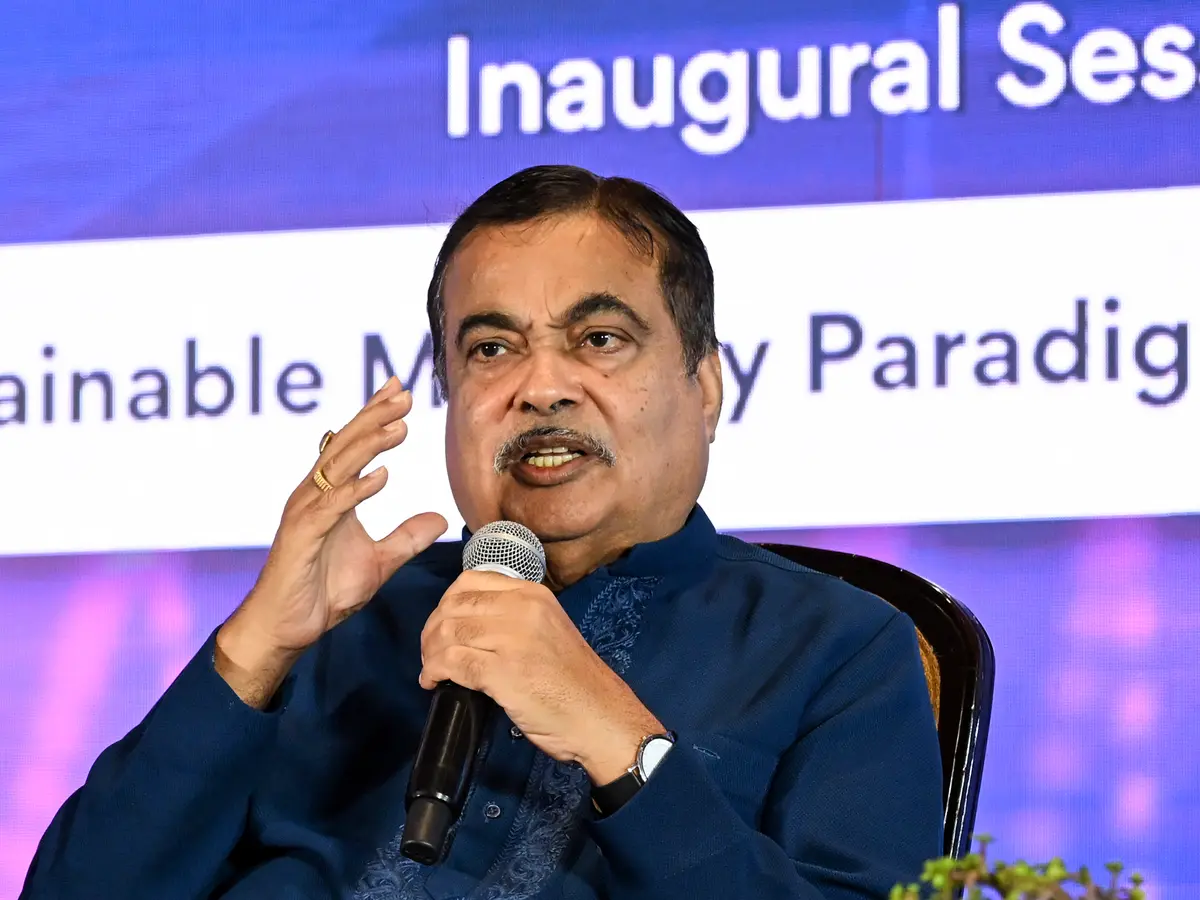
Union Minister for Road Transport and Highways Nitin Gadkari has secured permission from the Bombay High Court to file a civil defamation suit against Meta, X Corp, Google and several other parties over alleged deepfake videos and misleading social media posts claiming that he and his family financially benefited from the Central Government’s E20 ethanol-blending policy. Justice Abhay Ahuja granted the order on 27 July after hearing submissions from Gadkari’s counsel, Advocate Sandeep S. Ladda, clearing the path for substantive civil proceedings on the original side of the High Court.
The petition was filed under Clause XII of the Letters Patent, a procedural provision invoked when a dispute’s cause of action originates partially outside the court’s territorial jurisdiction. Gadkari’s counsel argued that the defamatory material was publicly accessible to users in Mumbai, making the Bombay High Court the appropriate forum. Unknown creators and disseminators of the content have been impleaded as “Ashok Kumars/John Does,” a legal device used in Indian courts to account for unidentified defendants in online content cases.
The suit also names the Union Ministry of Electronics and Information Technology and the Department of Telecommunications as respondents. This legal action follows a criminal FIR registered in Nagpur just two weeks ago against four social media influencers, including YouTuber-politician Manish Kashyap and Instagram handle Desi Boys, accused of spreading false information about the minister and the E20 rollout.
The Allegations at the Heart of the Case
Several posts and videos circulating on social media platforms falsely claimed that Gadkari and his family members financially benefited from the government’s ethanol blending programme. Gadkari has described the allegations as completely baseless, false and defamatory, arguing they were designed to mislead the public and damage his standing as a senior public servant.
A central plank of his petition is a factual correction that has been largely absent from the viral content targeting him. Gadkari emphasised that the E20 ethanol blending initiative falls under the jurisdiction of the Ministry of Petroleum and Natural Gas and not the Ministry of Road Transport and Highways, making the allegations factually incorrect. While Gadkari has been a vocal public champion of ethanol blending as an economic and environmental policy, administrative responsibility for the programme lies elsewhere entirely.
Gadkari has previously described the social media campaign as a “paid campaign” against him, saying the Supreme Court had already dismissed petitions challenging the E20 policy and that there was no factual basis to the criticism. He has sought directions from the court for immediate removal of the deepfake videos and related posts, as well as orders restraining further publication, sharing or amplification of the disputed content.
A Policy Under Fire Becomes a Disinformation Flashpoint
The E20 policy, which mandates blending 20 per cent ethanol with petrol to reduce crude oil imports and vehicle emissions, has generated sustained controversy since its nationwide rollout. Vehicle owners and service centres raised concerns about reduced mileage and potential engine damage in older vehicles incompatible with higher ethanol blends. The Supreme Court declined to entertain a PIL challenging E20’s rollout without offering consumers an ethanol-free alternative, effectively upholding the government’s position but doing little to quiet public scepticism.
That scepticism created conditions in which misinformation could take root rapidly. Deepfake technology lowered the barrier further, enabling bad actors to attach a minister’s face and voice to fabricated narratives with a persuasiveness that text-based disinformation cannot match. The combination of a contested policy, a recognisable political face associated with it, and accessible AI tools created a volatile environment that the Bombay High Court is now being asked to help address.
A Case That Could Redefine Platform Accountability in India
Legal experts have noted that the suit raises questions that go well beyond Gadkari’s personal grievance. The extent to which platforms such as Meta, X and Google can be held civilly liable for hosting and amplifying AI-generated defamatory content is a question that Indian law has not yet definitively resolved.
India’s Information Technology Act provides intermediary safe harbour protections, but those protections are conditional on platforms acting upon notice of unlawful content. A civil suit of this nature, brought by a sitting Union Minister with High Court backing, is likely to test the speed and adequacy of platform responses in a way that routine takedown requests do not. The Bombay High Court had previously directed social media intermediaries including Meta and Telegram to remove deepfake content impersonating the National Stock Exchange’s chief executive, signalling a willingness to assert judicial authority over platform conduct in AI-generated content cases.
The next hearing in Gadkari’s matter, at which interim relief including possible content removal orders may be considered, is expected to draw significant attention from both the legal community and India’s growing tech policy establishment.
