
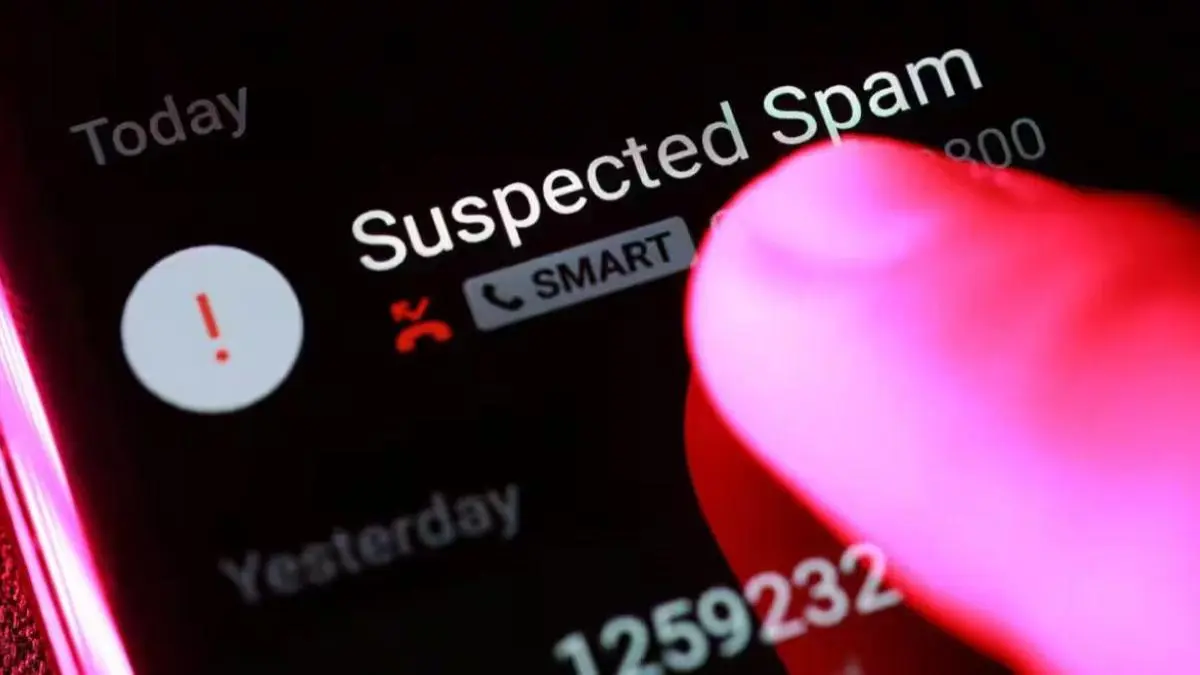

India’s telecom regulator and the Central Government are escalating their campaign against unsolicited commercial communication, with data placed before the Rajya Sabha revealing that the Distributed Ledger Technology-based anti-spam platform blocked more than 27.7 crore promotional voice calls and SMS messages every day on average during May 2026. The figures, shared in a written reply by Minister of State for Telecom Pemmasani Chandra Sekhar, offer the clearest picture yet of the scale of enforcement underway and the equally significant scale of the problem it is trying to contain.
The disclosure comes against a backdrop of steadily escalating regulatory action stretching back over two years. More than 21.6 lakh telecom connections belonging to unregistered telemarketers have been disconnected since January 2024. TRAI has imposed financial disincentives totalling Rs 153.8 crore on telecom service providers found in violation of unsolicited commercial communication norms. And in February 2026, TRAI directed all telecom operators to share AI-detected suspicious number data with one another within two hours through the blockchain-based DLT platform, significantly compressing the window in which spam networks can operate before being flagged and cut off.
Despite this, consumer complaints filed with telecom service providers and forwarded to TRAI reached 31.09 lakh in 2025 alone, with a further 17.2 lakh recorded in just the first five months of 2026. The gap between enforcement numbers and complaint volumes tells the core story of this problem: the infrastructure to block spam is growing, but so is the appetite of those generating it.
The DLT System and How It Works
TRAI’s anti-spam framework operates primarily through the Telecom Commercial Communications Customer Preference Regulations and the DLT platform that underpins it. Under this system, every entity wishing to send commercial communications must register on the platform, submitting its identity, templates and consent records before a single promotional message is sent. More than 3.35 lakh companies and around 22,500 telemarketers have registered on the platform so far, and the system cross-references each outbound communication against this registry to verify it is coming from an authorised sender.
Telecom operators have been mandated to use 140-series numbers exclusively for promotional calls, with registered headers required for all commercial SMS. These rules make it easier for automated systems and consumers alike to identify commercial communications. When a call originates from a standard 10-digit number and attempts to push promotional content, the DLT system flags and blocks it.
Around 24.53 crore consumers have registered their preferences on the DLT-based Do Not Disturb platform, giving the system a vast dataset of opt-out preferences against which every outbound promotional communication is checked before delivery. When a message or call matches a consumer’s DND preferences, it is blocked at the network level before reaching the handset.
Where the System Still Falls Short
The headline blocking figures are impressive but mask a persistent evasion problem that regulators acknowledge openly. The bulk of unsolicited commercial communication continues to originate from unregistered telemarketers who bypass the DLT system entirely by using ordinary 10-digit numbers rather than the mandated 140-series. Since these numbers are not registered as commercial senders, they do not trigger the DLT platform’s automated checks.
To address this gap, major telecom service providers have deployed AI and machine learning tools trained to detect patterns associated with spam calls, even when those calls originate from unregistered numbers. TRAI has ordered telecom companies to share AI-detected suspicious number data within two hours through the blockchain-based DLT system, creating a tamper-proof trail and accelerating the speed at which suspected spam networks are identified and blocked across multiple operators simultaneously.
The more serious dimension of the problem is the overlap between spam calls and outright fraud. Cyber criminals use unsolicited calls to execute digital arrest scams, fake investment schemes, banking update frauds and OTP phishing attempts. These calls are not commercial nuisances but potential gateways to financial crime, and they are far more difficult to block using the same tools designed for promotional spam. Virtual numbers, internet-based calling services and networks routing calls through multiple states continue to complicate detection significantly.
What Consumers Can Do
TRAI has urged citizens to report spam calls and SMS through the TRAI DND app, through telecom operators’ own complaint portals and through the DoT’s Sanchar Saathi platform. Consumer complaints remain the most reliable trigger for enforcement action against unregistered senders, whose traffic cannot always be identified by automated systems before a pattern of complaints is established.
Authorities advise consumers never to share personal information, OTPs or banking details during unsolicited calls, regardless of how authoritative the caller sounds. Any suspicious call or message can also be reported to the national cybercrime helpline at 1930 if it appears to be linked to financial fraud rather than routine commercial spam. Telecom experts note that collective and prompt reporting by users remains the most effective tool available to regulators in a system where bad actors continuously adapt their methods to stay ahead of technical controls.
Follow for daily updates on cybercrime, corporate fraud, DFIR, hacking, investigations, and digital forensics
