

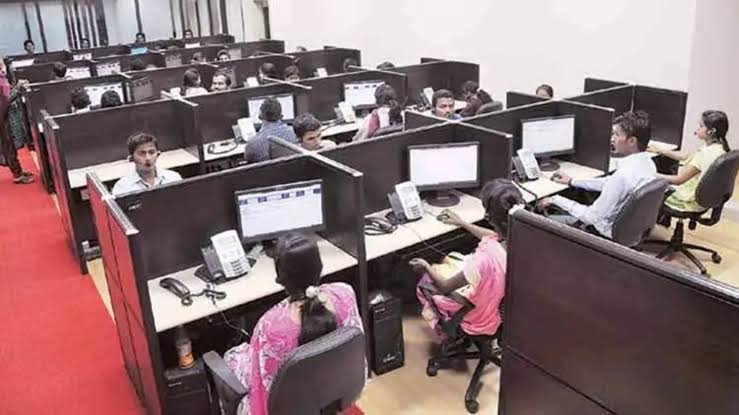
The specialized Cyber Crime Branch of the Gautam Buddh Nagar Police has executed a major enforcement sweep, taking five key operators of an organized internet extortion syndicate into absolute physical custody. Following a multi-week technical tracking investigation initiated by regional anti-fraud detectives, tactical teams raided the network’s hidden command infrastructure operating inside a commercial sector zone. The successful field intervention has exposed a massive digital blackmail network that targeted vulnerable smartphone users nationwide, putting national cyber defense units on high alert regarding the rapid deployment of predatory micro-lending platforms to extract illicit cash premiums.
Registration Begins for FutureCrime Summit 2026, India’s Largest Cybercrime Conference
The Fake Mobile Applications and Data Siphoning Mechanics
The underlying operational parameters of the high-velocity fraud went live when the cyber syndicate deployed a portfolio of unverified micro-lending applications across third-party digital networks and social media feeds. Marketing the software under attractive titles promising instant, hassle-free credit approvals with zero documentation checks, the ring specifically targeted individuals facing sudden financial stress.
The illicit engagement pipeline managed the transactional extraction loop through three continuous operational sequences.
The operators initiated the fraud by baiting users into installing the lookalike loan applications, which instantly forced hidden system configurations to bypass standard privacy controls.
The secondary positioning loop launched the moment access permissions were granted, with the app’s embedded malware executing a total background scrape of the victim’s personal data, copying their entire contact directory, private photo galleries, and real-time location telemetry to remote cloud servers.
The final extraction loop concluded as the call center handlers disbursed a nominal fraction of the requested loan before immediately demanding astronomical interest repayments, weaponizing the stolen personal assets to initiate a brutal campaign of targeted psychological extortion.
The Morphing Engine and Coercive Call Center Operations
The forensic analysis managed by the Noida cyber laboratory indicates that the raided facility functioned as a highly organized corporate extortion engine. The syndicate utilized structured scripts and aggressive collection timelines, dividing their captive workforce into specialized teams of tele-callers and digital editors. When a borrower questioned the hidden processing fees or refused to comply with the shifting interest rates, the cartel shifted its tone from routine financial recovery straight into criminal intimidation.
The internal enforcement cells utilized advanced digital editing tools to morph the victim’s private photos, grafting their faces onto highly explicit or objectionable images captured from adult networks. The handlers then transmitted these altered files directly to the victim via encrypted messaging applications, threatening to blast the media across the target’s entire professional and family contact list unless rapid cash payments were completed. Faced with the immediate prospect of total social ruin and psychological devastation, thousands of victims complied with the ongoing demands, transferring multiple tranches of capital into the ring’s financial network.
The Money Mule Web and Asset Recovery Seizures
Following the formal documentation of the organized crime docket under the relevant provisions of the Information Technology Act and the Bharatiya Nyaya Sanhita (BNS), specialized tracking units initiated comprehensive real-time ledger audits. Digital forensics and IP address tracking exposed a highly complex financial web designed to hide the illicit origin of the funds. The scammers systematically routed the extorted money through dozens of pre-purchased money mule accounts, scattering the capital across separate destination zones in real time to frustrate automated bank monitoring platforms.
During the synchronized dawn raid on the call center’s secure operational hub, search squads successfully seized a massive cache of digital hardware, including 14 high-end computer terminals, 28 active smartphones, multiple proxy SIM cards, and extensive transaction registers logging the extortion payouts. Technical crime units are executing comprehensive transaction mapping alongside regional banking compliance teams to implement emergency freezing blocks on the identified target accounts, attempting to lock down the remaining cash balances before the gang can convert the funds into physical assets.
Zero-Trust Mobile Integrity and Digital Lending Overhauls
The public exposure of this high-volume mobile application extortion ring has pushed national financial regulators and threat researchers at the Future Crime Research Foundation (FCRF) to demand an immediate structural upgrade to online lending standards. Cybersecurity specialists emphasize that modern digital cartels are actively moving away from traditional phishing loops, preferring to use highly targeted application permissions and personal data blackmail frameworks to trap vulnerable consumer groups.
To permanently insulate smartphone users from background financial engineering and predatory extortion loops, central digital safety boards are demanding a total transition to authenticated fintech workflows. Future mobile security frameworks will mandate the absolute integration of strict application store vetting processes and automated API permission blockers, ensuring no lending platforms can clear device verification gates unless they match the verified registry of the Reserve Bank of India (RBI) as licensed non-banking financial companies. Regional authorities maintain that the search for the mastermind behind the Noida call center remains an absolute priority, warning the public that any online loan service utilizing intense pressure tactics or demanding extensive gallery access should be reported immediately to the National Cyber Crime Helpline (1930).
