

A cyber fraud involving ₹22.71 lakh has come to light in Maharashtra’s Ratnagiri district, where three women were allegedly duped through two entirely separate scams: a fake foreign tour package operation and an escalating fake parcel delivery fraud. Police have registered two distinct FIRs, one against a named accused and another against an unidentified individual, and both cases are now under investigation.
The first case centres on Samruddhi Sudesh Mayekar and her acquaintance Vaibhavi Vijay Khedekar, who between April and June 2024 contacted a travel company operating under the name “Make My Tour X” to book a Turkey-Istanbul tour package, a name bearing an unmistakable and likely deliberate resemblance to a well-established Indian travel platform. According to the complaint, the accused, identified as Sandeep Kumar, a resident of Rohini in West Delhi, instructed the victims to transfer money into multiple bank accounts. Mayekar transferred ₹5 lakh, while Khedekar paid ₹7.40 lakh for her family’s trip. Despite receiving the full payment, the accused allegedly neither arranged the promised tour nor issued any refund, a combined loss of ₹12.40 lakh across the two complainants.
A ₹1,000 Dress Order That Escalated Into Ten Lakh Rupees
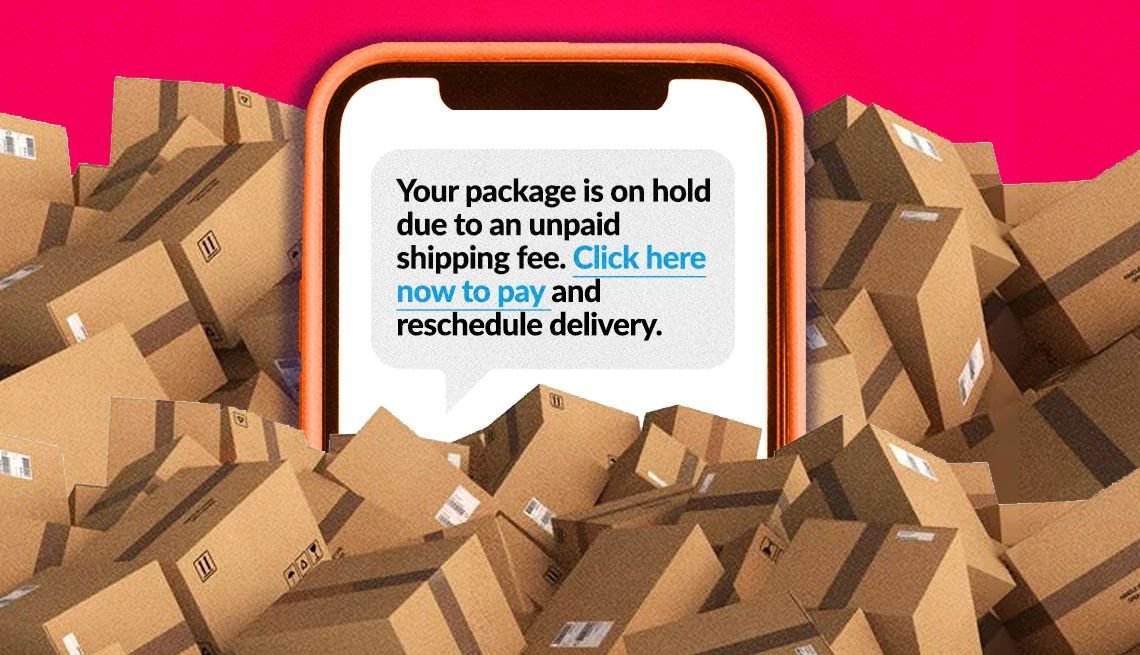
The second case followed a markedly different but equally familiar script. Mirjole resident Sai Prathamesh Bandave placed an online order for a dress after seeing an advertisement on Instagram, initially paying ₹1,000 for the purchase, an entirely ordinary transaction of the kind millions of Indians complete every day. The complaint states that an unidentified person, posing as a representative of an e-commerce delivery company, subsequently contacted her through a WhatsApp call claiming her parcel had arrived, before demanding repeated payments under the pretext of government charges, processing fees, and other delivery-related expenses.
Believing the claims to be genuine, Bandave transferred a total of ₹10,31,209 across multiple online transactions, only realising she had been defrauded when the parcel never arrived despite the escalating series of payments. What makes this case notable is the sheer disproportion between the original transaction and the eventual loss: a ₹1,000 dress order became the entry point for extracting more than ten lakh rupees, precisely because each additional payment was framed as the final step needed to release a parcel the victim believed was genuinely hers. The three victims lodged their complaints with the Ratnagiri City Police on July 3, following which separate cases were registered against Sandeep Kumar and the unidentified accused. Investigators are now examining bank accounts, digital payment records, mobile numbers, and WhatsApp call details to trace the money and identify all those involved.
The Parcel Scam Is a National Pattern, Not a Local Anomaly
Bandave’s experience fits a well-documented and rapidly proliferating fraud format that has spread well beyond major metropolitan centres. Cybersecurity analysts tracking this pattern note that parcel fraud, prevalent for some time, has now spread to Tier-II and Tier-III cities, exploiting a simple psychological trigger: nearly everyone today has an active online order, so a message claiming a delivery issue feels routine rather than suspicious. Fraudsters frequently obtain victims’ names, phone numbers and order details through data breaches or compromised e-commerce and logistics platforms, allowing them to target people with a plausible pretext tied to a genuine, recent purchase.
Similar cases documented elsewhere in India reveal how systematically this fraud type has been engineered. In one investigation in Goa, authorities described a case where a bulk SMS phishing operation used a diverse range of parcel-related themes precisely because officials found the diversity pointed to a systematic, adaptive and scalable cyber fraud operation capable of shifting tactics depending on what proved most effective against different victims. This adaptability, escalating from a customs fee to a processing charge to a government tax, exactly as happened in Bandave’s case, is what allows the scam to extract repeated payments rather than a single, capped loss.
Fake Travel Operators Exploit a Different Vulnerability
The tour package fraud targeting Mayekar and Khedekar reflects a distinct but equally common exploitation: the absence of any easy way for consumers to verify a travel company’s legitimacy before making a large upfront payment. Unlike established platforms with verifiable public track records, operations advertising heavily discounted international packages under names deliberately similar to trusted brands can collect substantial advance payments, sometimes running into several lakh rupees per family, with victims often discovering the fraud only when travel dates approach and no bookings, visas, or confirmations materialise.
Experts at the Future Crime Research Foundation, commenting on cases of this nature, said cybercriminals are increasingly using fake travel companies, fraudulent social media advertisements, and bogus e-commerce delivery messages to target victims. They advised people to independently verify the authenticity of travel companies, websites, customer reviews, and official contact details before making any online payment, and to remain cautious of repeated demands for money under the pretext of parcel release charges, processing fees, or government taxes, since no legitimate courier, customs authority, or government agency structures payment requests this way. For the three Ratnagiri women whose combined losses now stand at ₹22.71 lakh, the common thread across both cases is a familiar one in India’s cyber fraud landscape: an entirely ordinary transaction, a holiday booking or a dress purchase, becoming the opening through which a far larger fraud unfolds.
Follow for daily updates on cybercrime, corporate fraud, DFIR, hacking, investigations, and digital forensics
