

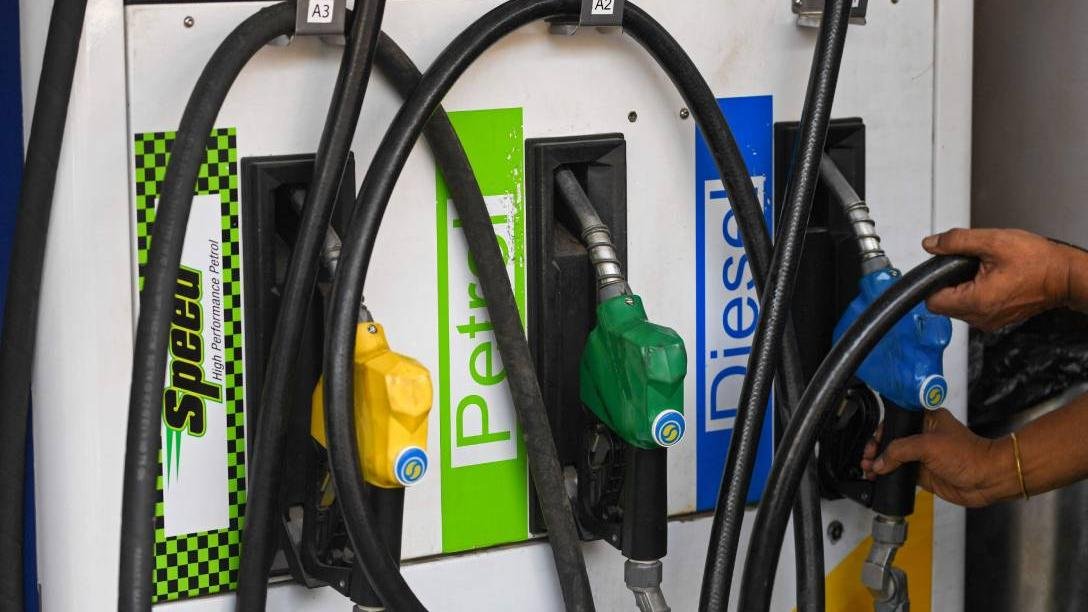

The Finance Ministry issued a notification on June 30 revising the Special Additional Excise Duty on petroleum product exports, with the new rates taking effect from July 1. The duty on diesel exports has been cut to Rs 8.5 per litre from Rs 14 per litre, a reduction of nearly 40 per cent in a single fortnightly cycle. The levy on aviation turbine fuel exports has been lowered to Rs 7.5 per litre from Rs 12.5 per litre.
However, the duty on exports of petrol has been hiked to Rs 4 per litre from Rs 1.5 per litre. The Finance Ministry said there is no change in the existing duty rates on petrol and diesel cleared for domestic consumption. The asymmetric movement, sharp cuts for diesel and ATF alongside a significant petrol hike, reflects specific supply management concerns rather than a uniform response to easing crude prices.
The revision also expands the geographic scope of exemptions for state-run oil companies. At the time the export levy was imposed in March, exemption was provided for exports of petrol, diesel and ATF made by public sector oil companies to Nepal, Bhutan, Bangladesh and Sri Lanka. The exemption has now been extended to exports made by public sector oil companies to Mauritius and the Maldives also.
A Policy Instrument Born From Crisis
To understand what has changed, it is necessary to understand how India arrived at these levies in the first place. In March 2026, export duties on diesel and ATF were reimposed amid escalating tensions in West Asia following a US-Israel attack on Iran and subsequent Iranian retaliation. As global crude prices climbed sharply, the government stepped in with export levies to protect domestic supply.
In response to the escalating West Asia conflict and the subsequent volatility in global energy markets, the Central Government implemented a strategic overhaul of excise duties and windfall taxes to stabilise the domestic economy. The windfall tax was intended to ensure domestic availability of petroleum products by disincentivising exports against the backdrop of the West Asia crisis. At the peak of the crisis, the duty on diesel exports had climbed to Rs 55.5 per litre in April before being brought down progressively through successive fortnightly revisions as the geopolitical situation evolved.
The government imposes the Special Additional Excise Duty on domestically produced crude oil and export duties on petrol, diesel, and aviation turbine fuel. The tax rates are linked to international crude oil prices and refining margins, not directly to company profits, and duties are revised approximately every two weeks based on global benchmarks. This fortnightly mechanism, first introduced in July 2022 during the surge in prices following the Russia-Ukraine conflict, has become the principal tool through which India dynamically manages the tension between allowing private refiners to benefit from export opportunities and ensuring that domestic consumers are not left short.
Why Oil Prices Are Falling and What It Means
The steady reduction in duties over the past several weeks has been made possible by a meaningful shift in global oil market conditions. Oil prices have fallen sharply from peaks above $126 a barrel as easing geopolitical tensions and the restoration of shipping through the Strait of Hormuz have reduced concerns over prolonged supply disruptions. Economists and analysts forecast Brent crude will average $84.50 a barrel in 2026, compared with a forecast of $90.44 a barrel made last month.
Even as global oil prices have softened somewhat following the preliminary US-Iran peace agreement, with Brent crude now trading around $83 per barrel and WTI around $80, both down sharply from their highs, the government appears to be moving cautiously. Rather than immediately rolling back windfall levies in response to falling crude prices, it has continued to fine-tune the rates to balance domestic supply, government revenue, and refiner margins.
The petrol duty hike in this revision is the most revealing signal of that caution. While diesel and ATF supply chains appear adequately replenished to justify lower export disincentives, the threefold rise in the petrol export levy suggests the government is concerned that domestic petrol availability requires closer management even as the broader crisis abates.
The Broader Fiscal and Energy Policy Context
The windfall tax mechanism has served a dual purpose throughout the West Asia crisis: protecting domestic consumers from supply shortfalls while also generating revenue at a time when the government was simultaneously absorbing significant fiscal costs to shield Oil Marketing Companies from under-recoveries. The combined daily under-recovery being absorbed by OMCs reached approximately Rs 2,400 crore at the height of the crisis.
India’s windfall tax generated an estimated Rs 25,000 to 30,000 crore in its first year of implementation in 2022, demonstrating the revenue potential of the mechanism during periods of elevated global energy prices. The current phase of the cycle, with duties trending downward on most products as crude prices ease, marks a transition from crisis-era revenue capture back toward the kind of calibrated management the mechanism was always designed to allow.
The next fortnightly revision, due in mid-July, will be watched closely by refiners and analysts for signals on whether the petrol duty hike is a temporary correction or the beginning of a new phase of more aggressive supply-side management, particularly if the pace of West Asia de-escalation and Strait of Hormuz normalisation continues at its current trajectory.
Follow for daily updates on cybercrime, corporate fraud, DFIR, hacking, investigations, and digital forensics
