
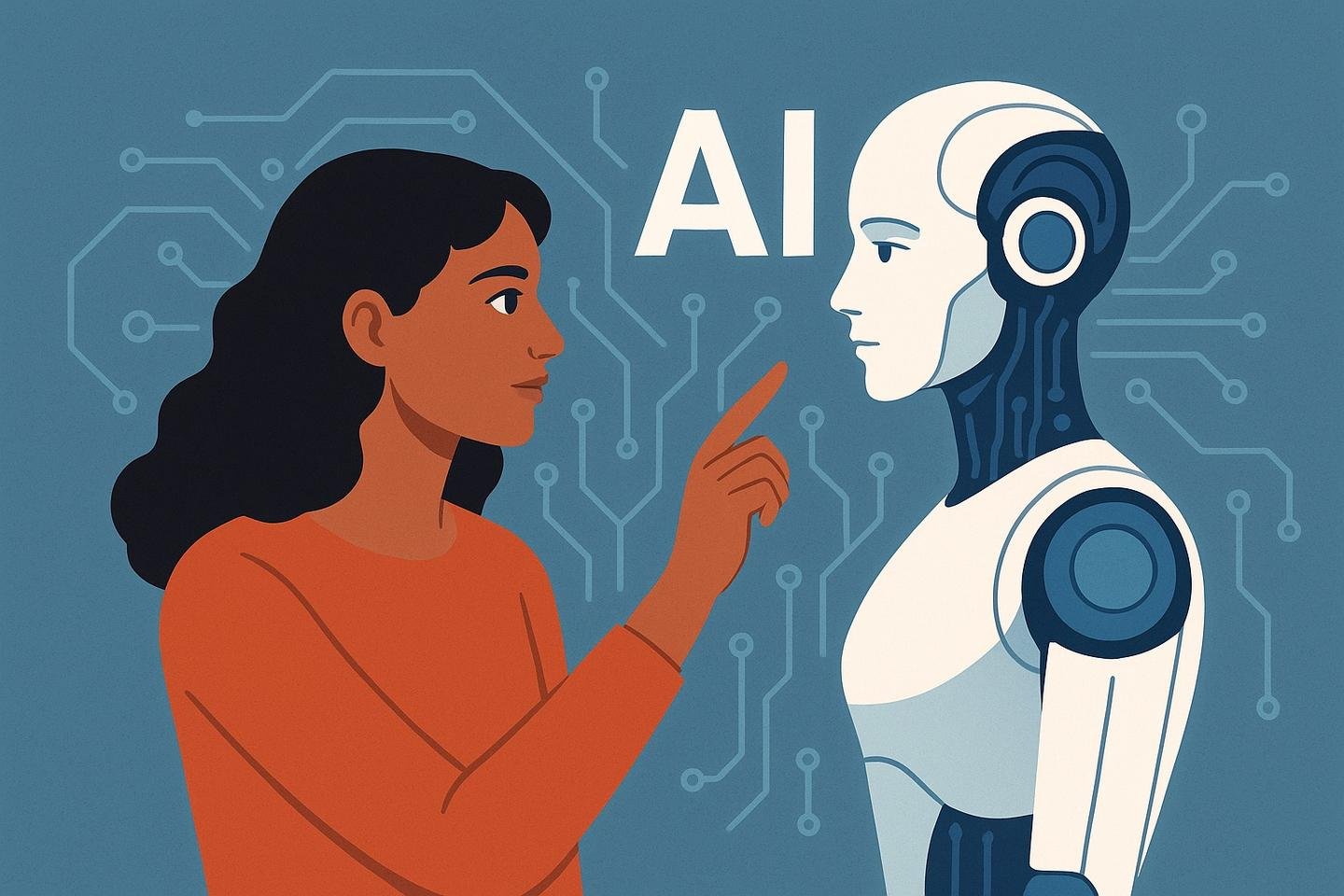

The artificial intelligence revolution is heralded as the great equaliser of the twenty-first century, promising unparalleled efficiency and economic transformation. Yet, beneath the veneer of neutral algorithms lies a troubling reality: the architecture of modern technology is actively amplifying historical gender biases. A recent study by the United Nations Educational, Scientific and Cultural Organisation (UNESCO) exposed alarming tendencies within large language models to produce regressive gender stereotypes. When tasked with generating narratives, these systems consistently assigned high-status professions like engineering and medicine to men. Conversely, women were frequently relegated to undervalued or domestic roles, demonstrating that these algorithms do not just process data, but aggressively recycle the prejudices embedded within it.
These outcomes are not merely algorithmic glitches or unintentional design flaws. They are the predictable outputs of artificial intelligence systems trained on decades of unequal representation and patriarchal societal norms. According to data from UN Women, nearly 20% of responses generated by prominent language models to complete simple sentences about women exhibited sexist or misogynistic attitudes. In some extreme cases, these advanced computational networks described women as property or sexual objects. This reveals a fundamental policy gap where the digital infrastructure of tomorrow is being built upon the flawed social hierarchies of the past.
A Workforce Locked Out
A major catalyst for this systemic bias is the glaring absence of women in the very ecosystem that designs and deploys artificial intelligence. Women remain severely underrepresented in the technology sector, constituting only about thirty per cent of the global artificial intelligence workforce. The numbers are even starker at the executive level, where women occupy fewer than fifteen per cent of senior leadership roles in leading technology firms. The people engineering these digital systems simply do not reflect the diversity of the billions of global citizens they are intended to serve.
This exclusion from the design rooms ensures that male-centric perspectives dominate the foundational coding of our digital future. Without substantive participation from women and other marginalised groups, the biases of the developers inadvertently become the standard operating parameters of the technology. The Union Government has repeatedly emphasised the need to democratise technology, yet bridging the gender divide in advanced technical education remains a formidable challenge. Unless targeted interventions bring more female engineers and ethicists to the drafting table, artificial intelligence will continue to mirror a heavily skewed demographic reality.
The Threat of Digital Violence and Displacement
Beyond representational stereotypes, the unchecked proliferation of artificial intelligence poses severe risks to the safety and economic security of women. The technology has drastically lowered the barrier to creating non-consensual manipulated imagery, commonly known as deepfakes, which overwhelmingly target female public figures and ordinary citizens alike. According to recent global surveys, a significant portion of women journalists and activists report experiencing artificial intelligence-assisted online violence. This normalisation of digital harassment transforms the internet into an increasingly hostile environment, forcing many women to retreat from crucial public platforms and digital discourse.
The economic disruption triggered by automation also disproportionately threatens women in the workforce. Recent research by the International Monetary Fund highlights that women are at a significantly higher risk of displacement due to job automation than men. A vast majority of roles highly susceptible to algorithmic replacement—such as clerical, administrative, and cashier positions—are predominantly held by women. If the Central Government and private enterprises do not urgently implement extensive reskilling programmes, the artificial intelligence boom could severely undermine decades of progress in women’s economic empowerment.
Governing the Algorithmic Future
The intersection of technology and gender equality demands immediate regulatory scrutiny and proactive governance. Of the numerous countries that have drafted national artificial intelligence strategies, only a fraction have included substantive, gender-responsive measures in their regulatory frameworks. The burden now falls on the State and international regulatory bodies to transition from abstract ethical principles to enforceable project guidelines. Robust audits of training data and mandatory human oversight in algorithmic deployment are essential steps to mitigate these baked-in inequalities.
The private sector, fuelled by billions of dollars in investments, must also pivot towards accountability rather than unbridled innovation at any social cost. Correcting the developmental trajectory of artificial intelligence requires an uncompromising commitment to building inclusive datasets and equitable corporate cultures. The choices made today in policy documents and server farms will permanently dictate whether the technological revolution serves as a tool for universal empowerment or merely as a sophisticated amplifier for historical prejudice.
Follow for daily updates on cybercrime, corporate fraud, DFIR, hacking, investigations, and digital forensics
