

On Saturday, Prime Minister Anthony Albanese announced a massive escalation in the country’s ongoing battle with tech giants. The maximum penalty for social media platforms failing to block users under the age of 16 is set to double, jumping from A$49.5 million to a staggering A$99 million (approximately US$68 million).
The move comes six months after Australia enacted its world-first age restriction laws in December 2025. While the legislation was hailed as a groundbreaking step to protect youth mental health, enforcing it on the ground has proven remarkably difficult.
“It’s clear Big Tech are not doing enough to comply with the law—there are still too many children on social media,” Albanese stated. “These changes reflect the seriousness with which we take any failure by social media companies to comply.”
Calling Out the “Bare Minimum”
The proposed legislative changes will do more than just hike up fines. They will grant Australia’s internet watchdog, the eSafety Commissioner, sweeping new investigative powers.
The regulator will be legally authorized to compel tech companies—and third parties like app stores or age-assurance providers—to hand over internal documents. This will force platforms to explicitly prove what steps they are taking to weed out underage users, stripping away their ability to self-report compliance.
Communications Minister Anika Wells heavily criticized the current corporate response. She accused platforms of using “tricks straight out of the big tech playbook,” arguing they are doing the absolute bare minimum to scrape by the legal requirements.
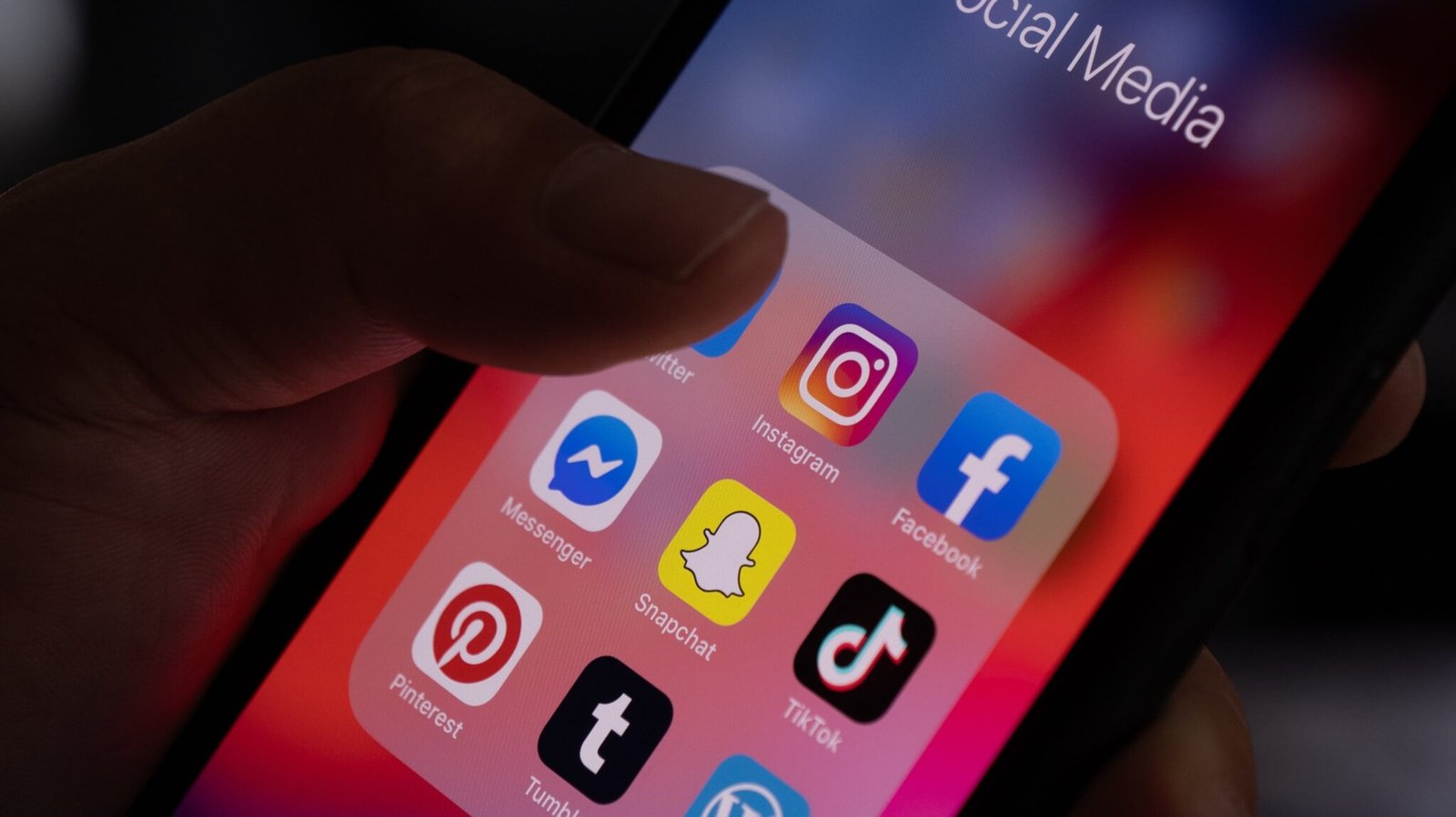
Currently, the eSafety Commissioner has active investigations open into five major platforms: Meta’s Facebook and Instagram, Google’s YouTube, Snap’s Snapchat, and TikTok.
Tech-Savvy Teens Find Workarounds
While the government claims that over 5 million underage accounts have been deactivated or restricted since the ban began, independent research tells a different story.
A study published this week by the University of Newcastle revealed a glaring loophole in the ban’s effectiveness. Researchers found that more than 85% of teenagers under 16 were still actively using social media three months after the law took effect.
Kids are outsmarting the system with ease. They are setting up fake profiles, using accounts registered to older friends or family members, and bypassing blocks using private browsers or VPNs. Many existing age-verification tools have proven incredibly easy to trick, and researchers noted that in many cases, platforms simply never prompted the children to verify their age at all.
A Global Test Case
Australia’s aggressive stance is being closely monitored by governments around the globe. Nations including the United Kingdom, France, Indonesia, and the United Arab Emirates are either mulling or rolling out their own youth social media bans.
International regulators are watching Australia’s legislative experiment to see if a democratic government can actually force Silicon Valley to fundamentally change how its platforms operate.
The underlying question remains: can legislation truly outpace a generation of tech-savvy teenagers? While a A$99 million fine is a significant threat, it represents just a fraction of the global revenue generated by these tech monoliths. As Australia doubles down on enforcement, the coming months will reveal whether heavier financial penalties are enough to finally enforce the ban—or if Big Tech will simply absorb the cost of doing business.
Follow for daily updates on cybercrime, corporate fraud, DFIR, hacking, investigations, and digital forensics
