

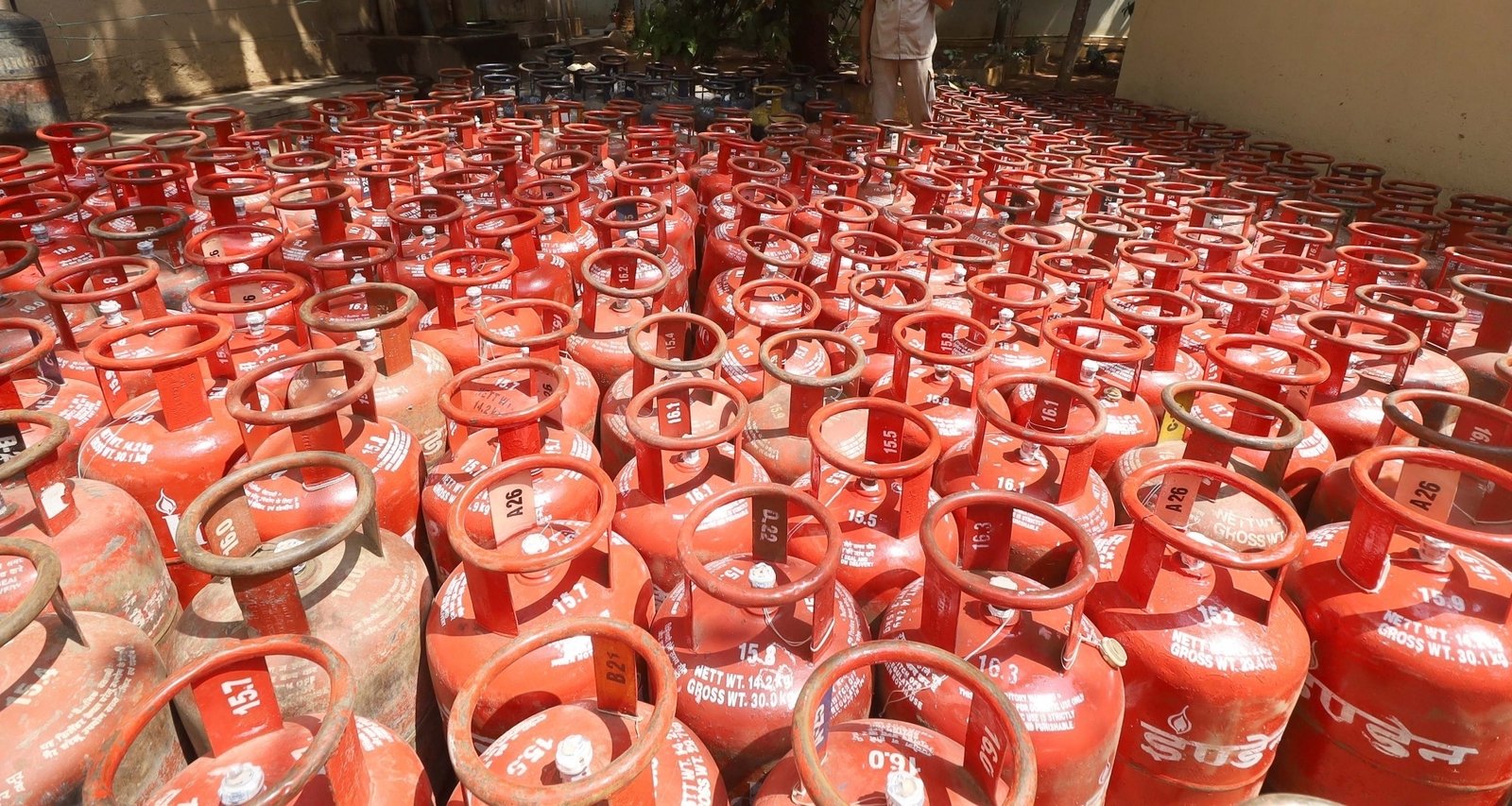
The Cyber Police Station, South-West District, has dismantled a highly organized interstate cyber fraud syndicate accused of cheating citizens through malicious Android Package Kit (APK) applications. Operating under the guise of utility enforcement, the network targeted individuals by issuing fabricated gas connection disconnection warnings. Following an aggressive technical investigation, four key operators were apprehended, and law enforcement teams recovered 20 mobile phones, multiple digital devices, gold and silver articles, cash, and a vehicle.
Registration Begins for FutureCrime Summit 2026, India’s Largest Cybercrime Conference
The Utility Hijack and Asset Conversion Pipeline
The high-tech extortion and layering scheme operated via a distinct four-stage digital deployment cycle. The fraudulent cycle initiated with utility deception bait when a female complainant received an urgent text message falsely claiming her Indraprastha Gas Limited (IGL) connection was slated for immediate disconnection, directing her to contact a designated customer support number for assistance.
Once the victim established contact, the operation shifted to a malicious APK payload phase where the fraudsters forwarded a compromised Android Package Kit file through WhatsApp. Upon downloading and installing this application, the attackers gained complete unauthorized command-and-control access over her mobile device.
This access led directly to financial extraction, enabling the group to intercept primary banking tokens and security permissions to execute unauthorized transactions from her bank accounts and credit cards, siphoning approximately ₹2.64 lakh. The pipeline concluded with an asset transformation loop, where the stolen funds were dynamically routed through online retail networks to purchase luxury electronics, gift cards, and gold coins to shift the dirty capital into physical, untraceable commodities.
Interstate Logistics and Delivery Interception
The investigation deepened when cyber cells scrutinized the International Mobile Equipment Identity (IMEI) numbers of two premium smartphones purchased using the victim’s compromised credit card. Tracking the shipping details revealed that the devices were routed to a fictitious delivery address in Shaheen Bagh, Delhi. Police immediately moved on the location and apprehended a retail salesperson who confessed to acting as a localized “drop catcher” for the ring, receiving the fraudulent electronics parcels and forwarding them to senior members in Kolkata in exchange for a fixed commission.
Relying on intercepted WhatsApp chats and cross-border shipping manifests, Delhi Police successfully tracked a secondary parcel down to the Khidderpore Hub in Kolkata, arresting the receiver red-handed. Subsequent technical analysis exposed the broader network’s infrastructure, which relied heavily on fence operators in Jharkhand who purchased the fraudulently obtained electronics at highly discounted rates and disposed of them through illegal channels, including foreign-based handlers, to permanently erase traceability.
Malware Vectors and Digital System Defense
This sophisticated operation highlights the rising danger of side-loading applications on mobile devices. Cybersecurity experts warn that malicious APK payloads are particularly lethal because they bypass the security filters of official application stores, allowing threat actors to seamlessly capture SMS verification codes, logging credentials, and personal financial data in real time.
To protect personal banking infrastructure, security analysts strongly advise consumers to enforce absolute blocks on side-loaded installations from unknown or third-party web links. Furthermore, any sudden text notification or email carrying a high-urgency demand regarding the status of domestic gas, electricity, or water accounts should be treated as a potential phishing attempt. Citizens are urged to independently audit their account standings strictly via the service provider’s official verified portal or authorized application, and to instantly flag suspicious contact numbers on the national cybercrime helpline or to local law enforcement.
