
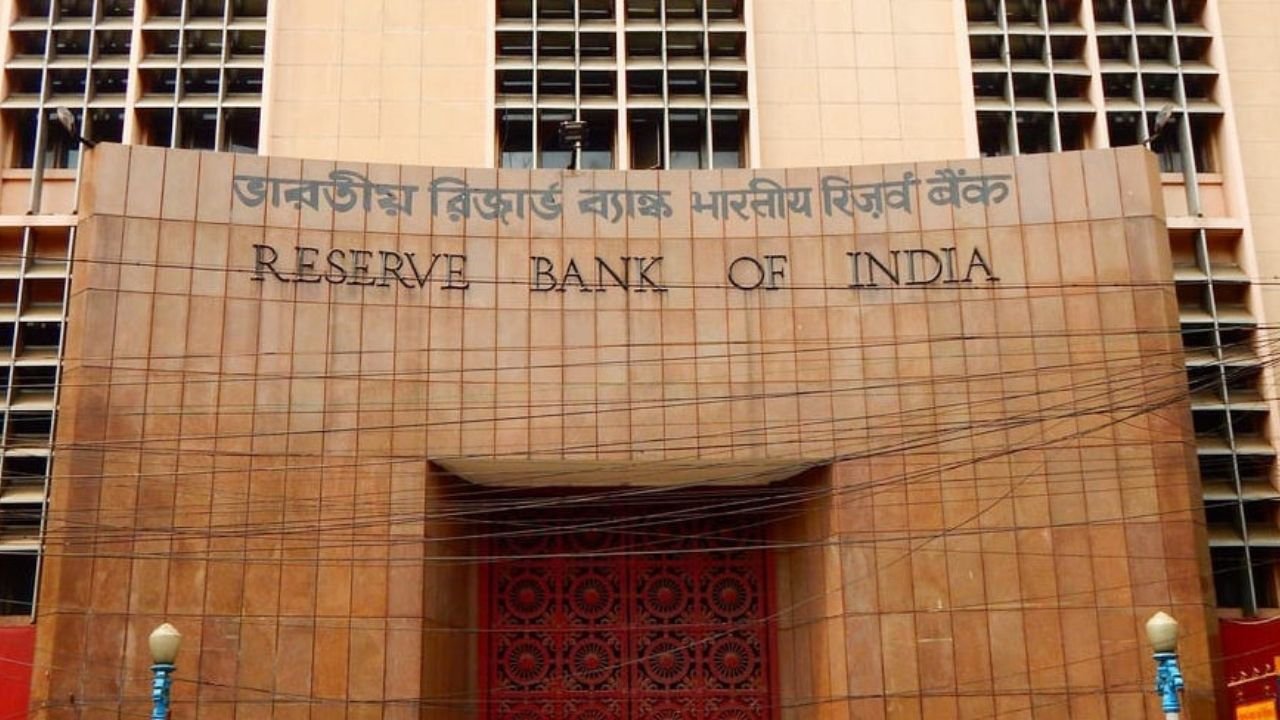

New Delhi | As digital payments continue to expand rapidly across India, the risk of cyber fraud and online financial scams is also growing at an alarming pace. According to the Reserve Bank of India’s (RBI) Annual Report 2025-26, nearly 74% of all reported financial fraud cases in the country are linked to card transactions and internet banking. The figure highlights how cybercriminals are increasingly exploiting the growing adoption of digital financial services.
The widespread use of online shopping, travel bookings, utility bill payments, and other digital services has made everyday transactions more convenient. However, experts warn that fraudsters are leveraging the same digital ecosystem to target unsuspecting users through increasingly sophisticated scams.
FCRF’s Flagship Cyber Law Certification Returns With a New Four-Week Cohort
According to cybersecurity and financial industry experts, phishing links, fake customer-service calls, fraudulent mobile applications, and social engineering techniques have become some of the most effective tools used by cybercriminals. While banks and payment service providers continue to strengthen their security systems, experts emphasize that customer awareness remains a critical line of defence.
Fraudsters often impersonate bank officials, credit card representatives, customer support executives, or financial advisors to gain the trust of victims and extract sensitive information. In recent years, there has been a significant increase in fraudulent calls related to card upgrades, credit-limit enhancements, reward-point redemption, KYC updates, and account reactivation.
In many cases, scammers create a sense of urgency, fear, or excitement to pressure individuals into revealing confidential information such as One-Time Passwords (OTPs), card numbers, CVV codes, and banking credentials.
Cybercriminals are also increasingly using fake delivery notifications, counterfeit e-challans, bogus tax notices, and account suspension alerts to lure victims into clicking malicious links. These links often redirect users to fraudulent websites designed to steal personal and financial information.
Renowned cybercrime expert and former IPS officer Prof. Triveni Singh said that most cybercrimes today rely more on exploiting human psychology than on technical vulnerabilities. According to him, fraudsters first build trust and then manipulate victims through fear, greed, or urgency to obtain sensitive information. He stressed that users should always verify the authenticity of any request before sharing OTPs, passwords, or banking details.
Experts advise consumers to conduct online purchases and financial transactions only through trusted and official websites or platforms. Any link received through social media, messaging applications, or unsolicited emails should be verified carefully before being opened.
Users are also encouraged to download mobile applications only from authorized app stores. APK files and applications obtained from unknown sources may contain malware capable of compromising banking credentials, personal information, and device security.
Cybersecurity professionals further recommend enabling transaction alerts, regularly reviewing bank statements, and using strong, unique passwords for every digital account. In the event of any suspicious or unauthorized transaction, customers should immediately notify their bank, block affected cards or accounts if necessary, and report the incident to the appropriate cybercrime authorities.
Experts believe that as India’s digital economy continues to expand, cybersecurity is no longer solely a technological issue but also a matter of personal responsibility. In an increasingly connected financial landscape, awareness, vigilance, and safe digital practices remain the most effective safeguards against online fraud.
