
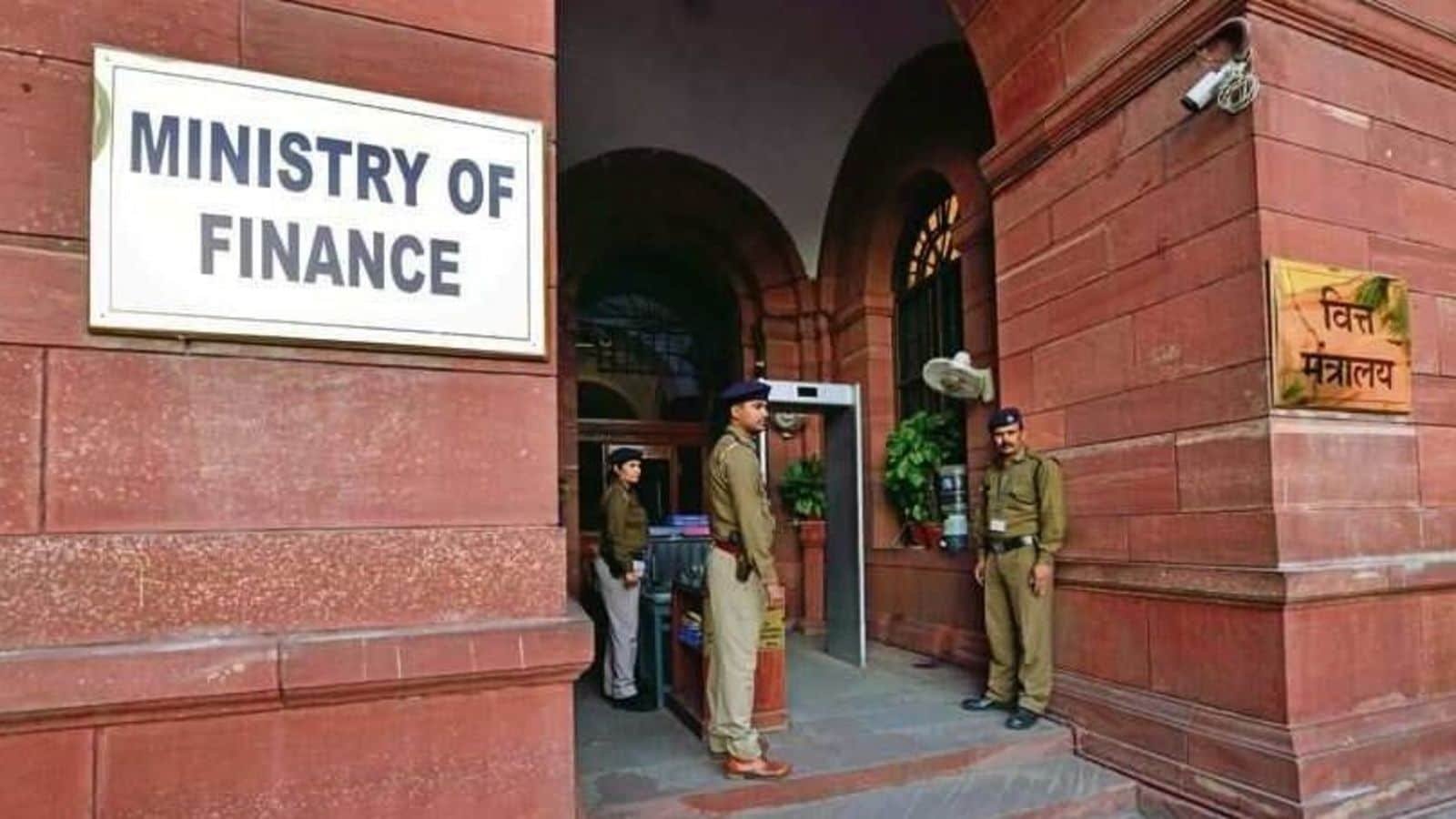
In the wake of an alleged embezzlement of nearly ₹590 crore from government-linked accounts in Haryana, the Centre has directed public sector banks (PSBs) to strengthen safeguards and tighten oversight mechanisms for government accounts. The Finance Ministry has asked state-run lenders to comprehensively review their security frameworks, identify operational vulnerabilities, and implement stronger controls to prevent future fraud incidents.
According to officials familiar with the developments, the ministry has placed special emphasis on the management of communication details, authorized signatories, and other sensitive information maintained in banking records. Authorities believe that weaknesses in the handling of such critical data can create opportunities for financial fraud and unauthorized transactions.
A senior government official said banks have been instructed to reassess their existing practices and formulate stricter Standard Operating Procedures (SOPs) for branches handling government business. Lenders have also been advised to introduce additional layers of security and adopt risk-based monitoring systems capable of detecting suspicious activities at an early stage.
Registration Begins for FutureCrime Summit 2026, India’s Largest Cybercrime Conference
The directive comes as multiple investigating agencies continue to probe the alleged diversion and misappropriation of around ₹590 crore from accounts linked to the Haryana government. The case has raised serious concerns about vulnerabilities in the management of government funds and the effectiveness of existing safeguards within the banking system.
Officials involved in the banking sector said most public sector banks already operate automated systems that flag unusual or suspicious transactions in real time. However, following the recent developments, banks are expected to further upgrade their monitoring infrastructure and expand the scope of transaction surveillance. Financial institutions have also been advised to subject large or unusual transactions involving government accounts to enhanced scrutiny.
At the centre of the controversy is an alleged fraud that has drawn the attention of multiple enforcement agencies. Investigators are examining how public funds were allegedly routed through a network of accounts and entities before being diverted. The probe is focused on identifying the beneficiaries, tracing the movement of funds, and determining whether institutional lapses facilitated the alleged misconduct.
The investigation has already led to significant developments. A senior administrative official was recently arrested in connection with the alleged diversion of approximately ₹79.46 crore from accounts linked to the Panchkula Municipal Corporation. Investigators have alleged that several procedural norms were violated and that the account involved may have been opened in contravention of existing government guidelines.
According to findings cited by investigating agencies, information recorded during the account-opening process may have been entered in a manner that helped conceal suspicious transactions. Authorities are now examining whether weaknesses in account management and verification processes contributed to the alleged fraud.
The Enforcement Directorate’s probe has further alleged that the embezzled public funds were routed through multiple shell entities and layered across various accounts to obscure their origin and ultimate destination. Investigators claim that a substantial portion of the funds was subsequently channelled through accounts associated with jewellers, creating the appearance of legitimate gold purchases through allegedly bogus billing arrangements.
Financial crime specialists note that such layering techniques are commonly used in complex fraud and money laundering schemes to disguise the source of funds and complicate investigative efforts. By moving money through multiple entities and transactions, perpetrators attempt to create a trail that is difficult to trace.
Renowned cybercrime expert and former IPS officer Prof. Triveni Singh said that digital monitoring systems, real-time alerts, and robust data verification mechanisms have become essential tools in protecting government accounts from sophisticated financial crimes. According to him, a multi-layered security architecture combined with independent verification procedures can significantly reduce the risk of large-scale fraud.
The Finance Ministry’s latest directive is being viewed as a significant step toward reinforcing the integrity of government banking operations and safeguarding public funds. As public sector banks implement stricter controls and enhanced monitoring systems, policymakers hope the measures will help prevent similar incidents and strengthen confidence in the management of government accounts across the country.
Follow for daily updates on cybercrime, corporate fraud, DFIR, hacking, investigations, and digital forensics
