
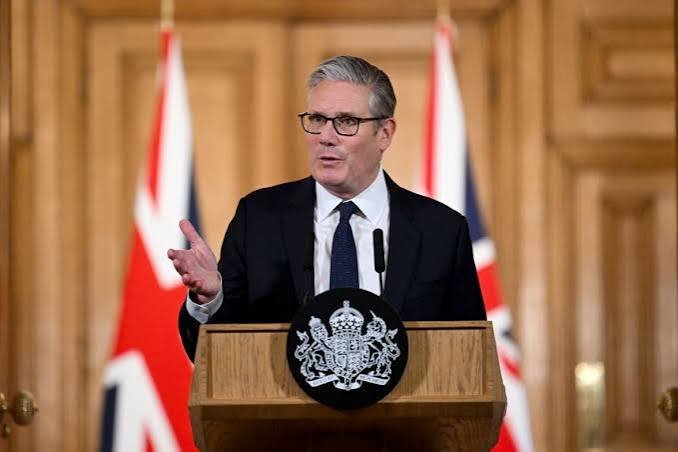
The UK government has announced plans to ban social media access for children under the age of 16, with Prime Minister Keir Starmer saying the proposed law is aimed at protecting minors from harmful content, cyberbullying, mental health risks and addictive online use. The bill is expected to be introduced in Parliament before Christmas and could come into force early next year if passed.
The proposed legislation is part of a wider effort by the Starmer government to tighten online safety rules for children. The Prime Minister said the measure would be implemented from next year and warned that the government would take a firm position against technology companies opposing the plan.
FCRF’s Flagship Cyber Law Certification Returns With a New Four-Week Cohort
Bill Expected Before Christmas
According to the government’s plan, the legislation will be brought before Parliament before Christmas and is expected to move through the legislative process shortly thereafter. If approved, the law would restrict users below 16 from accessing major social media platforms.
The proposed restrictions are expected to cover platforms including TikTok, Instagram, Facebook, X, YouTube, Snapchat, Reddit, Kick and Twitch. Reports also suggest that some gaming applications, live-streaming services and messaging platforms could face partial restrictions under the new framework.
The government is also considering exemptions for certain digital services. Chatbots and selected gaming features may be excluded from the ban, while policy discussions include the possibility of a “digital curfew” to limit late-night social media use among teenagers.
Public Consultation Backed Restrictions
Before moving ahead with the proposal, the UK government conducted a public consultation that received about 116,000 responses. Participants included parents, educators, technology experts and children.
A significant majority of respondents reportedly supported restrictions on social media access for users under the age of 16. The government has cited growing concerns about children’s exposure to harmful material, online exploitation, misinformation and excessive screen time.
UK Culture Minister Lisa Nandy said the policy is not limited to a simple ban but forms part of a broader online safety framework. She said stronger platform monitoring, stricter content moderation and enhanced age verification systems would be required for effective enforcement.
Global Scrutiny of Child Online Safety Grows
The UK proposal reflects a wider global trend toward tighter regulation of children’s access to social media. Countries including Australia, Canada, Brazil and Indonesia have introduced or proposed age-based restrictions and stronger online safety rules for minors.
The government argues that technology companies must take greater responsibility for creating safer digital environments. It says the proposed law is aimed at reducing risks linked to digital addiction, harmful content and online interactions that may affect children’s safety and well-being.
If implemented, the measure would mark a major shift in social media access rules in the United Kingdom, affecting millions of teenagers and families while placing new compliance obligations on major technology platforms.
