

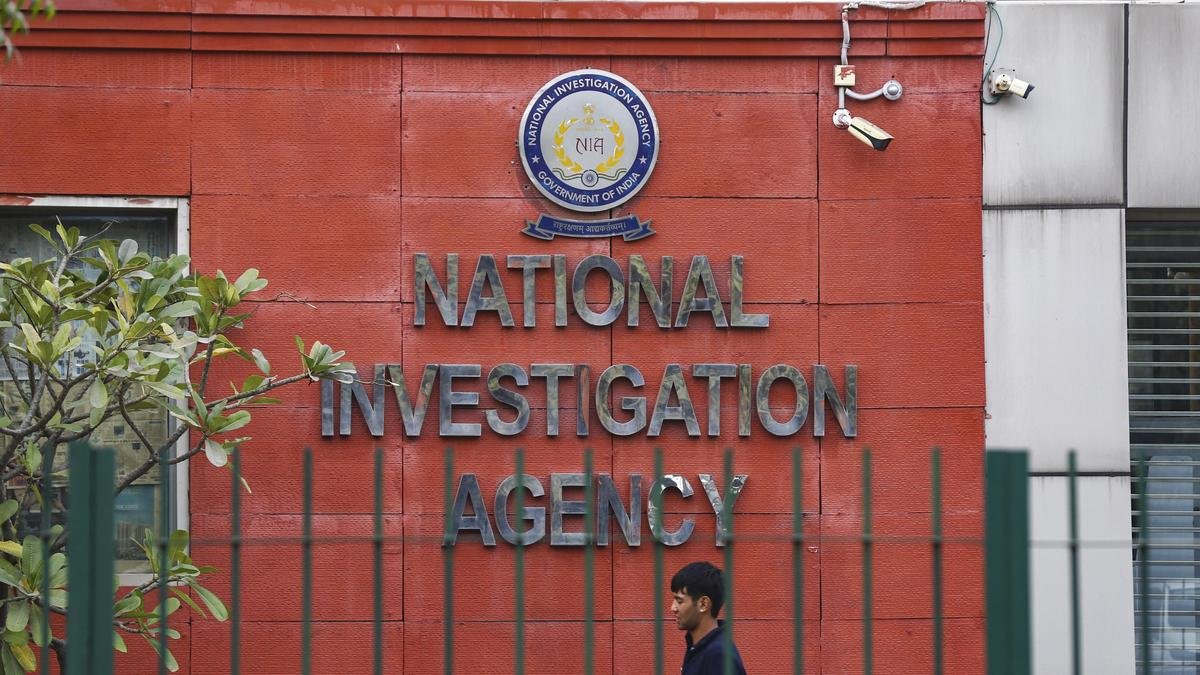
New Delhi: A special NIA court in the national capital has ordered framing of charges against 26 leaders and members of the banned Popular Front of India (PFI), observing that there is “grave suspicion” of their involvement in a conspiracy aimed at overthrowing the elected government and attempting to establish an Islamic caliphate.
PFI Also Faces Charges
The court also directed that charges be formally framed against the organisation itself, holding that the PFI is a juristic entity capable of committing offences under law. The order marks a significant development in one of the most closely watched terrorism-related cases being investigated under the Unlawful Activities (Prevention) Act (UAPA).
Registration Begins for FutureCrime Summit 2026, India’s Largest Cybercrime Conference
According to the prosecution, the accused were part of a larger organised network that allegedly planned to destabilise the democratic framework of India through coordinated activities spread across multiple states. The National Investigation Agency (NIA) had submitted that the group’s objective was to “wage war against the state” and work towards establishing a caliphate structure by 2047.
Court Cites Grave Suspicion
While framing charges, the court noted that at this stage of proceedings, the material placed on record was sufficient to raise a “grave suspicion” regarding the alleged conspiracy. It observed that each accused appeared to have played a specific role within the broader framework of the organisation, contributing to what the agency described as a structured and sustained plan of unlawful activity.
The court stated that when evaluated as a whole, the evidence indicated a coordinated conspiracy involving the organisation’s national leadership and executive council, allegedly aimed at undermining the sovereignty and unity of the country. It added that such allegations, if proven during trial, would attract serious penal consequences under the IPC and UAPA provisions.
NIA Alleges Organised Network
The NIA has claimed that the PFI maintained an organised structure that facilitated ideological training, recruitment, and operational planning. It further alleged that the group used various public-facing programmes and activities as a cover for more clandestine operations, including alleged arms training and mobilisation exercises.
The organisation was banned by the Union government in September 2022 for a period of five years under the UAPA, with authorities citing alleged links to global extremist networks and involvement in activities considered a threat to national security.
In its order, the court clarified that at the stage of framing charges, it is not required to conduct a detailed examination of evidence or determine guilt beyond reasonable doubt. Instead, it must assess whether the material presented by the prosecution discloses sufficient grounds for proceeding to trial.
Trial To Move Into Evidence Phase
The matter has now been listed for formal framing of charges on July 10, where the court will specify the exact legal provisions under which the accused will be tried. Once charges are framed, the case will proceed to full trial, during which the prosecution will be required to establish its allegations through evidence and witness testimony.
Legal observers note that cases under UAPA often involve complex evidentiary issues, particularly where allegations relate to conspiracy, organisational intent, and ideological networks. The outcome of the trial will depend on the prosecution’s ability to substantiate the claims made in the charge sheet.
The court’s decision has been described as a major procedural step in the long-running investigation, which has spanned multiple states and involved extensive documentation and intelligence inputs.
With charges now formally set to be framed, the case is expected to move into a detailed evidentiary phase in the coming months, as the court examines the full scope of allegations and defence arguments.
