
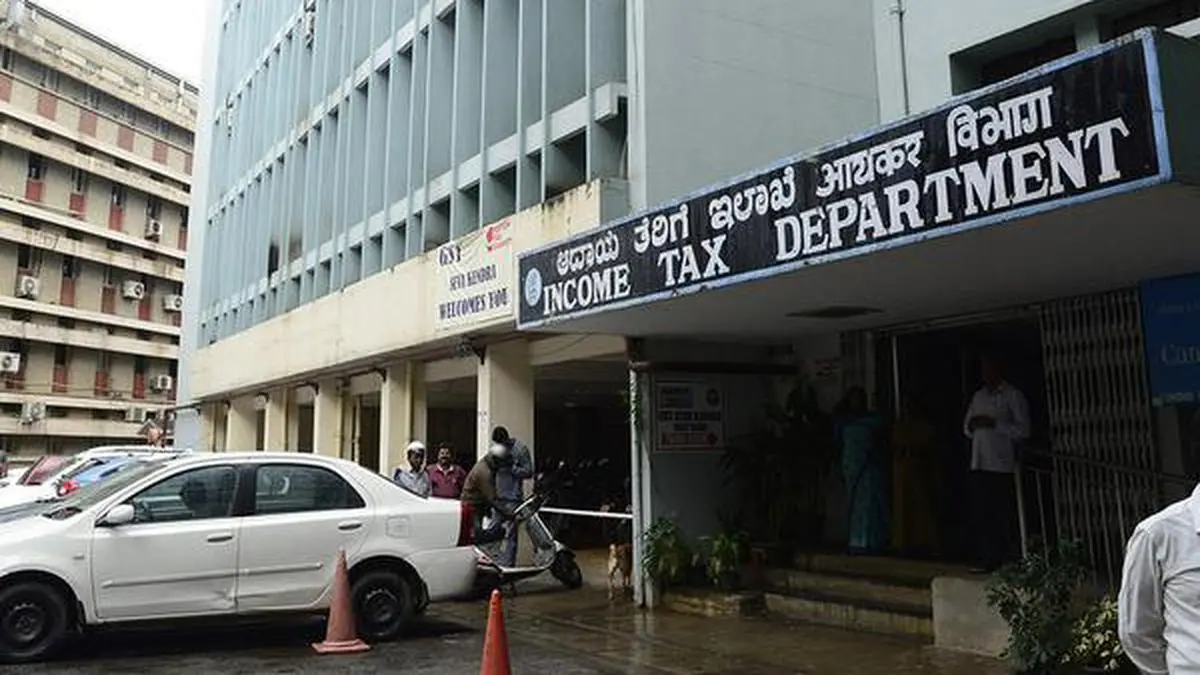
The process of filing Income Tax Returns (ITR) in India has become increasingly data-driven and automated, with the Income Tax Department now using advanced analytics to cross-check financial information sourced from multiple reporting systems. In this evolving framework, the Annual Information Statement (AIS) and Form 26AS have emerged as critical documents, as even minor mismatches between them and filed returns can trigger scrutiny and notices.
AIS, Form 26AS and Automated Analytics
According to tax authorities, system-based analytics and artificial intelligence tools are now being used to comprehensively analyse taxpayers’ income, investments, and expenditure patterns. As a result, accurate reporting of salary income, fixed deposit (FD) interest, dividends, capital gains, and Tax Deducted at Source (TDS) has become more important than ever.
Experts note that AIS consolidates financial data received from banks, mutual funds, employers, and other financial institutions, which is directly integrated into the tax system. If taxpayers fail to correctly report or reconcile this data while filing their ITR, the system automatically flags it as a potential discrepancy.
FCRF’s Flagship Cyber Law Certification Returns With a New Four-Week Cohort
What Taxpayers Should Do Now
Mumbai-based Chartered Accountant Dr. Suresh Surana stated that taxpayers should not rely solely on AIS while filing returns. He advised that AIS data must be carefully cross-verified with Form 16, bank statements, investment records, and other financial documents. He also noted that AIS may sometimes contain duplicate or incomplete entries, making independent verification essential.
Tax professionals further explain that scrutiny is most commonly triggered in cases involving discrepancies in salary income, unreported FD or savings account interest, and incorrect TDS credit claims. Additionally, high-value transactions such as property purchases, stock market investments, and foreign remittances are now under enhanced monitoring.
How Automated Analytics Work
The AIS-based system is now capable of identifying potential inconsistencies even before returns are filed. Its primary objective is to prevent tax evasion and improve compliance transparency. However, experts also caution that genuine taxpayers may sometimes receive notices due to reporting errors made by financial institutions or data mismatches.
Sources indicate that the Income Tax Department is increasingly comparing declared income with spending patterns using data reported by banks and financial institutions. If a significant gap is detected between income and expenditure, the case may be flagged for scrutiny.
Tax advisors strongly recommend that taxpayers thoroughly reconcile all financial records before filing their ITR to avoid future notices or investigations. Even small oversights, such as missing bank interest income or incorrectly claiming TDS credits, can lead to system-generated alerts.
The digital infrastructure of the tax system is continuously evolving, with real-time data integration from multiple sources. While this has improved transparency and efficiency, it has also increased the compliance burden on taxpayers, who are now expected to ensure complete accuracy in reporting.
Experts highlight that common errors include omission of bank interest income, incorrect reporting of investment gains, and failure to disclose digital asset or stock market transactions. These issues often lead to mismatches between AIS data and filed returns, increasing the likelihood of scrutiny.
Tax professionals advise that ITR filing should not be treated as a routine formality but as a carefully verified financial declaration. Ensuring consistency across all financial documents is essential to avoid compliance issues and maintain accurate reporting under the tax system.
The Income Tax Department maintains that its objective is not to harass taxpayers but to ensure a transparent, efficient, and data-driven tax ecosystem where accurate reporting is encouraged and discrepancies are minimised through automated verification systems.
