

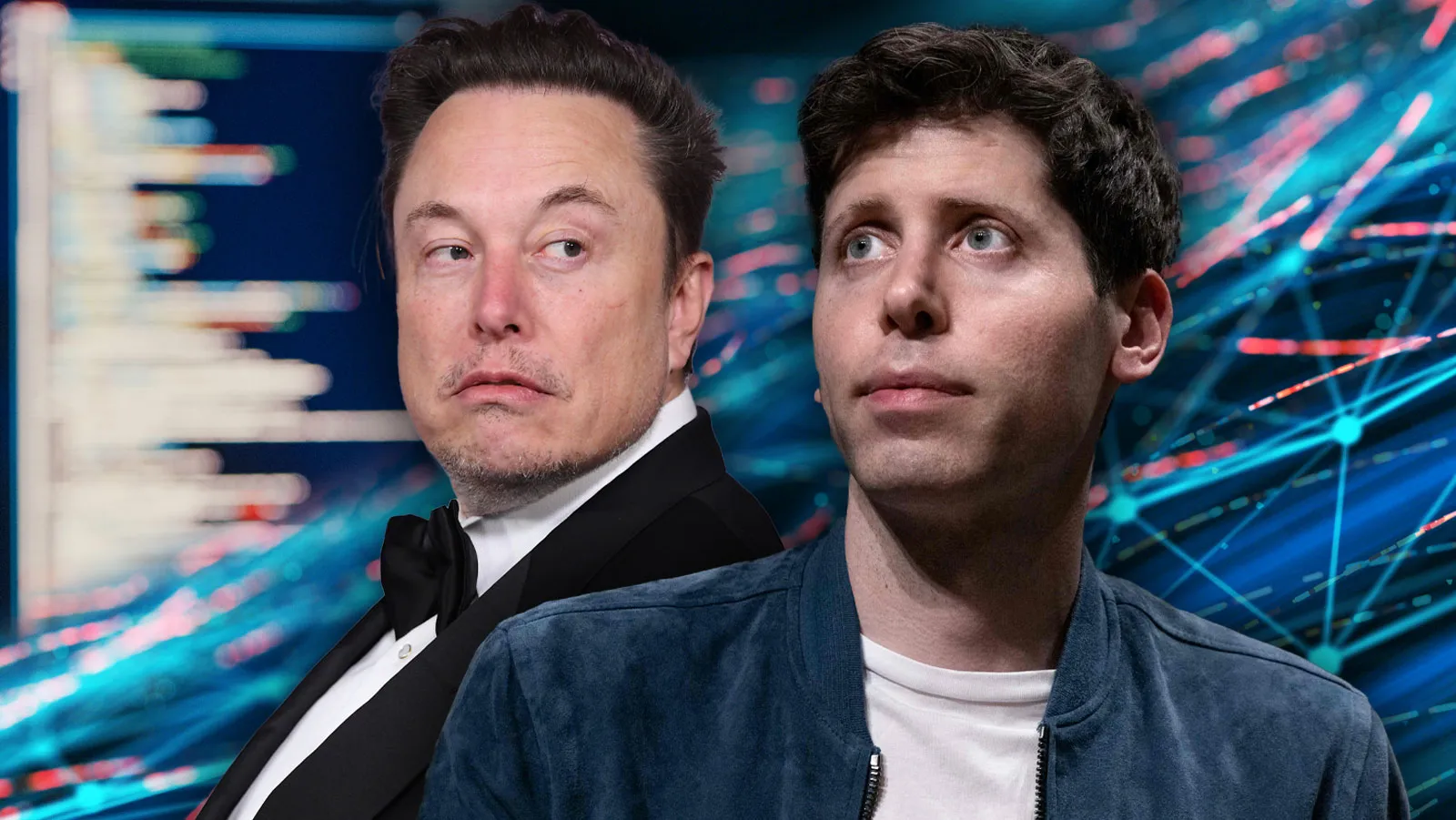
In one of the most closely watched technology disputes in recent years, billionaire entrepreneur Elon Musk has suffered a major legal setback after a US federal jury rejected his lawsuit against OpenAI and its Chief Executive Officer Sam Altman. The court ruled that Musk had waited too long to initiate legal proceedings and failed to file the case within the legally permitted timeframe.
Jury verdict and statute of limitations
The verdict was delivered by a unanimous nine-member jury in a federal court in Oakland, California, following nearly 11 days of arguments, witness testimonies and courtroom exchanges between both sides. The trial had formally begun in late April 2026 and attracted global attention because of the growing influence of artificial intelligence and the high-profile rivalry between Musk and OpenAI’s leadership.
Musk’s claims and OpenAI’s defence
Elon Musk had alleged in his lawsuit that OpenAI abandoned its original non-profit mission and transformed itself into a commercially driven enterprise focused on generating profits. Musk claimed that he had contributed nearly $38 million to support the organisation’s founding vision of developing artificial intelligence for the benefit of humanity rather than for corporate gain.
According to Musk, OpenAI and Sam Altman violated the principles on which the organisation was initially established. During court proceedings, Musk argued that the matter was being portrayed as overly complex when the central issue was straightforward. He maintained that charitable objectives and public-interest commitments should not be misused for commercial purposes.
FCRF’s Flagship Cyber Law Certification Returns With a New Four-Week Cohort
However, OpenAI and Sam Altman strongly denied the allegations and defended the company’s evolution into a hybrid commercial structure. The company argued that adapting to the rapidly changing technological and financial landscape was always part of its long-term strategy. OpenAI also claimed that Musk was fully aware of the organisation’s future direction and only initiated legal action after failing to secure greater control within the company.
Stakes, valuation and industry impact
The courtroom battle saw both sides question each other’s credibility, motives and interpretation of OpenAI’s founding principles. A major point of debate during the trial was whether OpenAI was legally and ethically obligated to remain a permanent non-profit entity or whether it had the flexibility to adopt commercial models to sustain advanced AI development.
OpenAI was founded in 2015 by Elon Musk and several other technology entrepreneurs with the stated objective of ensuring that artificial intelligence benefits humanity. Musk later exited the organisation in 2018 after reported disagreements regarding leadership and control. In the years that followed, OpenAI expanded rapidly and gained worldwide prominence through AI products such as ChatGPT, significantly increasing its commercial valuation and global influence.
Reports indicate that OpenAI is currently valued at more than $850 billion, making it one of the world’s most influential artificial intelligence companies. The lawsuit therefore became much more than a personal or corporate dispute, drawing attention from investors, policymakers, regulators and technology experts around the world.
Legal analysts and wider debate
Legal analysts noted that the court’s reliance on the “statute of limitations” was a crucial factor behind the dismissal. In legal terms, the ruling suggests that the court did not primarily decide whether Musk’s claims were entirely right or wrong, but rather concluded that the lawsuit itself had been filed too late under applicable legal deadlines.
Technology industry observers believe the verdict could strengthen OpenAI’s market standing and investor confidence at a time when artificial intelligence companies are facing increasing scrutiny over regulation, safety standards, data governance and corporate accountability. The ruling is also expected to reinforce OpenAI’s position in the highly competitive global AI sector.
Experts further believe that the dispute highlights a broader global debate surrounding the future of artificial intelligence, including questions about transparency, ethical responsibility, corporate control and public interest. The legal confrontation between Elon Musk and OpenAI is increasingly being viewed as symbolic of the larger power struggle shaping the future direction of the AI industry worldwide.
