
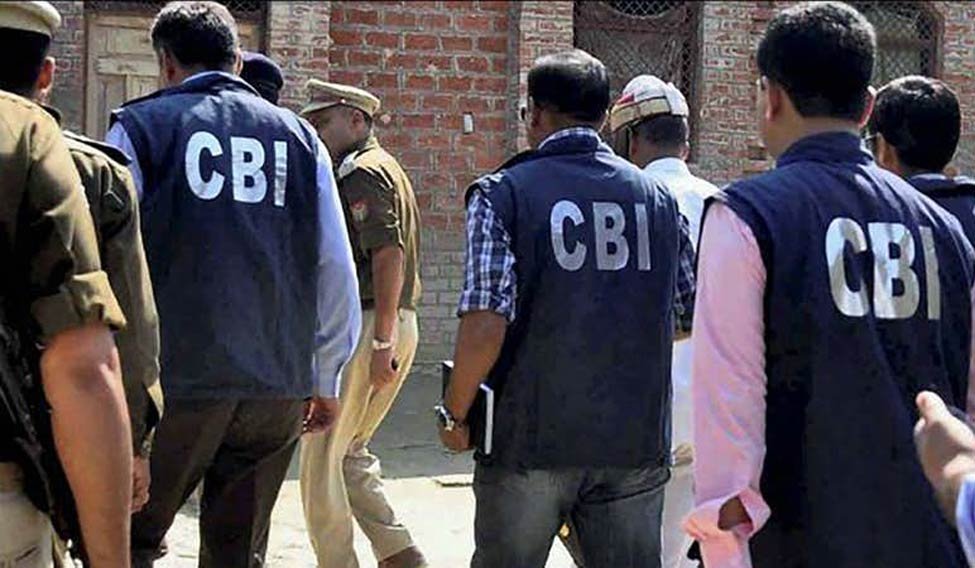
The investigation into Haryana’s high-profile ₹590 crore bank scam has now reached the upper levels of the state bureaucracy, with the Central Bureau of Investigation (CBI) seeking formal approval from the Haryana Government to investigate the alleged role of four IAS officers. The case is linked to the suspected diversion and misuse of government funds through allegedly unauthorized bank accounts.
According to sources, the CBI has sought sanction under Section 17A of the Prevention of Corruption Act, a legal provision that requires prior approval from the competent government before initiating an inquiry or investigation against a serving public servant for actions connected to official duties. Officials familiar with the matter believe the state government may take a decision on the request in the coming days.
Additional IAS Names in Focus, Administrative Fallout
Sources within the investigation also indicate that the agency may later seek similar approval against two more IAS officers as the probe expands. However, no officer’s name has been made public so far. The development has triggered significant discussion within administrative and political circles, given the scale of the alleged financial irregularities and the possible involvement of senior officials.
Preliminary findings suggest that certain accounts maintained with IDFC First Bank, AU Small Finance Bank and Kotak Mahindra Bank were allegedly used to transfer and route large sums belonging to various government departments. Investigators suspect that some of these accounts may have been operated in violation of Haryana Finance Department guidelines before funds were allegedly diverted through multiple channels.
FCRF Academy Launches Premier Anti-Money Laundering Certification Program
Probe agencies believe the network may involve collusion between bank officials, private individuals and certain government employees. As a result, investigators are now examining digital banking records, account operation histories, authorized signatories, internal approvals and fund transfer trails in detail.
February‑Inquiry Turned CBI‑FIR, Internal Administrative Actions
The matter first surfaced in February 2026 when the State Vigilance and Anti-Corruption Bureau began examining suspected financial irregularities linked to government funds. During the preliminary inquiry, investigators reportedly discovered multiple suspicious transactions and irregular account operations. Owing to the seriousness and possible scale of the network, the case was later transferred to the CBI, which formally registered an FIR on April 8, 2026.
Following the emergence of the scam, administrative action was also initiated within the state government. Reports indicate that two IAS officers were suspended, while four others were transferred. Several departmental reviews, internal audits and financial scrutiny exercises have also been launched to identify procedural lapses and accountability.
Experts dealing with cyber and financial crimes say that large-scale government fund frauds often involve layered banking structures, mule accounts and shell transactions designed to conceal the actual movement of money. In such investigations, digital trails, server logs, approval documents and transaction timestamps become critical pieces of evidence.
Gaps in Oversight, Future Revelations Expected
Renowned cyber crime expert and former IPS officer Prof. Triveni Singh said that organized networks tend to exploit gaps in administrative and banking oversight when monitoring systems are weak. According to him, “Government fund-related frauds highlight the urgent need for stronger digital audits and real-time fund monitoring systems to detect irregular transactions at an early stage.”
Investigators are now trying to determine how government funds reached the suspected accounts, who authorized the transfers and whether there was negligence, procedural violation or deliberate collusion at any administrative level. The role of financial approvals, account management practices and internal compliance systems is also being closely examined.
The case continues to remain under close watch by the CBI, banking institutions and the Haryana Government. Officials believe the coming weeks could bring further revelations, potentially exposing deeper flaws in financial governance and administrative oversight mechanisms linked to government fund management.
