

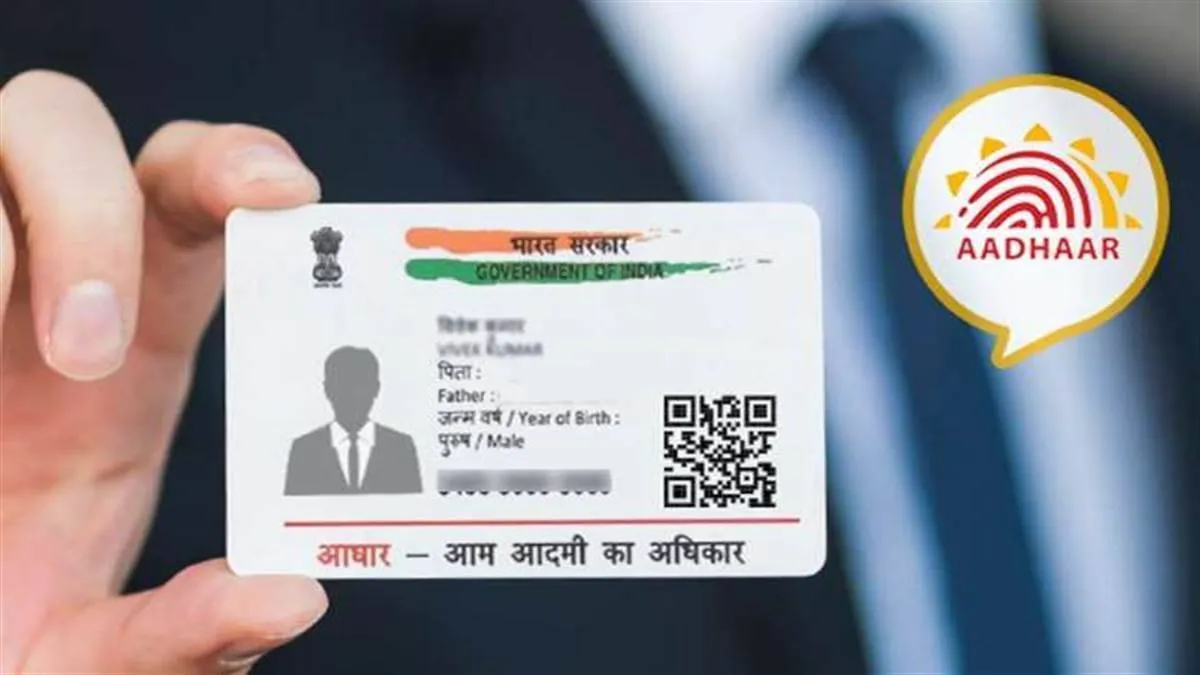
A highly sophisticated cyber fraud racket involving Artificial Intelligence (AI), deepfake technology and alleged manipulation of Aadhaar-linked data has been exposed in Gujarat’s Ahmedabad. Cyber Crime Branch officials have arrested three more accused from Assam and Uttar Pradesh in connection with an interstate gang accused of taking online loans in the names of unsuspecting individuals after illegally changing the mobile numbers linked to their Aadhaar cards.
Investigators claim the gang used advanced digital tools and identity manipulation techniques to bypass online verification systems and obtain instant digital loans. According to officials, the fraudsters would first alter the victim’s Aadhaar-linked mobile number and later use the updated number to activate banking services, apply for loans and divert the money into multiple accounts.
FCRF Academy Launches Premier Anti-Money Laundering Certification Program
Roles of Newly‑Arrested Accused in the AI‑Fraud Network
The newly arrested accused include Assam resident Rabbul Hussain, a B.Com student who is suspected to be the alleged mastermind behind the technical operations of the network. Investigators say he was involved in data theft and digital identity manipulation activities. Uttar Pradesh resident Krishna Prajapati allegedly worked as a cyber café operator and agent who helped modify Aadhaar-related details in exchange for commissions. Another accused, Kashimuddin Ali, who is reportedly educated up to Class 7, is accused of receiving fraud proceeds in his bank accounts.
Cyber Crime officials revealed that the gang operated through a highly organized process. The accused allegedly collected GST and PAN-related details through websites such as “Master India” and then examined CIBIL scores and financial records to identify potential targets eligible for quick digital loans. Investigators also suspect that the gang used Telegram bots and social media platforms to obtain Aadhaar-related information and photographs of victims.
AI‑Generated Deepfake Videos and Mobile‑Number Hijacking
After gathering the required data, the accused allegedly created AI-generated “deepfake blinking videos” to deceive online verification and biometric authentication systems. Cybersecurity experts say such videos can appear highly realistic and may trick automated identity verification mechanisms used by financial platforms. Using this technique, the gang allegedly changed Aadhaar-linked mobile numbers without the knowledge of the original users.
Once the mobile number was changed, the accused allegedly activated new SIM cards, opened bank accounts and secured multiple small-value digital loans ranging from ₹25,000 to ₹50,000. Officials believe the fraud was repeated across several victims using layered digital identities and mule bank accounts.
The scam reportedly came to light after a businessman in Ahmedabad stopped receiving OTPs linked to his Aadhaar-enabled payment system. During the investigation, authorities discovered that his Aadhaar-linked mobile number and biometric details had allegedly been altered without any OTP-based confirmation. It was later found that online loans had also been taken in his name. Investigators suspect that certain local Aadhaar kit operators may have assisted the gang in executing the fraud.
Scale of the Fraud, Ongoing Probe, and Cyber‑Security Warnings
Cyber Crime officials estimate that the gang was illegally obtaining approximately ₹10 lakh to ₹15 lakh every year through fraudulent digital loan applications. So far, seven accused have been arrested in the case, while another suspect from Assam, identified as Oli Ullah, remains absconding. Police teams are conducting raids in multiple states to trace him.
Renowned cyber crime expert and former IPS officer Prof. Triveni Singh said that AI and deepfake technologies are now being increasingly misused for digital identity theft, biometric fraud and financial crimes. According to him, “Cybercriminals are no longer using deepfake technology only for fake videos. These tools are now being integrated into organized financial fraud and identity manipulation operations, making cybercrime investigations far more challenging.”
Cybersecurity analysts believe the case raises serious concerns regarding the safety of India’s digital identity infrastructure and Aadhaar-based authentication ecosystem. Investigating agencies are now examining Aadhaar records, banking transactions, SIM activation histories and digital server logs to identify the full extent of the network. Authorities have also reportedly alerted concerned departments about possible vulnerabilities within identity verification systems.
