
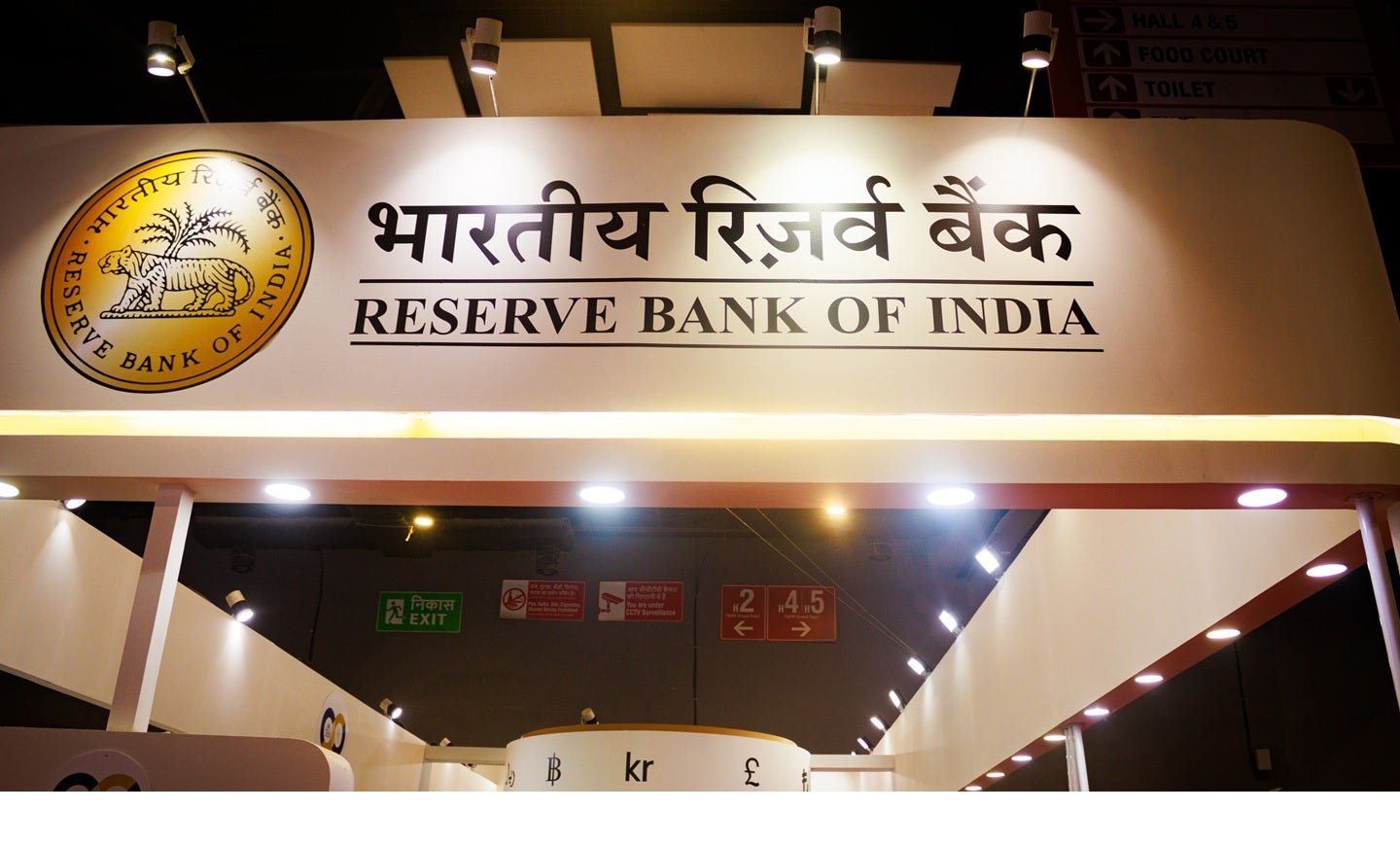
New Delhi: In a significant move to streamline loan recovery and address rising NPAs, the Reserve Bank of India has issued a draft framework introducing stricter rules for handling non-financial assets acquired during loan recovery. The proposal lays down clear guidelines for banks and regulated financial institutions on managing and disposing of such assets obtained against defaulted loans.
FCRF Academy Launches Premier Anti-Money Laundering Certification Program
The draft, titled “Prudential Norms on Specified Non-Financial Assets,” is aimed at ensuring that banks do not hold on to seized assets indefinitely. Instead, it emphasises timely and transparent disposal to maximise recovery value and maintain financial discipline.
Seizure Allowed Only After Loan Turns NPA
According to the draft norms, banks can take possession of pledged or collateral assets only in cases where the loan has turned into a Non-Performing Asset and all other recovery options have been exhausted. This makes it clear that asset seizure is not the first step, but a last-resort mechanism in the recovery process.
The RBI has underscored that such acquisition must be part of a well-defined recovery strategy. The intent is not to penalise borrowers arbitrarily, but to maintain stability in the banking system and safeguard the interests of depositors.
Seven-Year Limit Proposed for Disposal of Assets
Under the proposed framework, banks will be allowed to hold such acquired assets for a maximum period of seven years. Within this timeframe, they must compulsorily sell these assets. The central bank believes that prolonged holding of non-financial assets is neither beneficial for banks nor for the broader economy.
Another key provision prohibits banks from selling these assets back to the original borrower or related parties. This step is aimed at preventing misuse and eliminating the possibility of backdoor arrangements, thereby enhancing transparency in the system.
Conservative Valuation and Disclosure Norms Suggested
The draft also specifies that seized assets must be valued based on the lower of their “realisable value” or the “settlement amount.” This conservative valuation approach ensures that banks reflect realistic figures in their financial statements.
Additionally, periodic revaluation of these assets will be required, following the same principle. Proper provisioning norms must also be adhered to, ensuring that banks maintain accurate balance sheets and account for potential losses appropriately.
In cases where banks are able to recover only a part of the outstanding loan through asset acquisition, the remaining loan will be treated as “restructured.” Existing restructuring norms will then apply to the balance amount.
This provision is particularly relevant in scenarios where borrowers are unable to repay the full amount but can manage partial settlements. It gives banks flexibility to recover at least a portion of their dues while restructuring the rest.
Draft Opens for Public Feedback Until May 26
To further enhance transparency, the RBI has proposed that banks must separately disclose such seized non-financial assets in their balance sheets. This will provide greater clarity to investors, regulators, and stakeholders about the financial health of institutions.
Such disclosures are expected to help investors make more informed decisions, especially those with exposure to the banking sector.
The RBI has invited comments and suggestions from stakeholders, including banks, financial institutions, experts, and the general public, on this draft framework until May 26. The final norms will be issued after considering the feedback received.
