
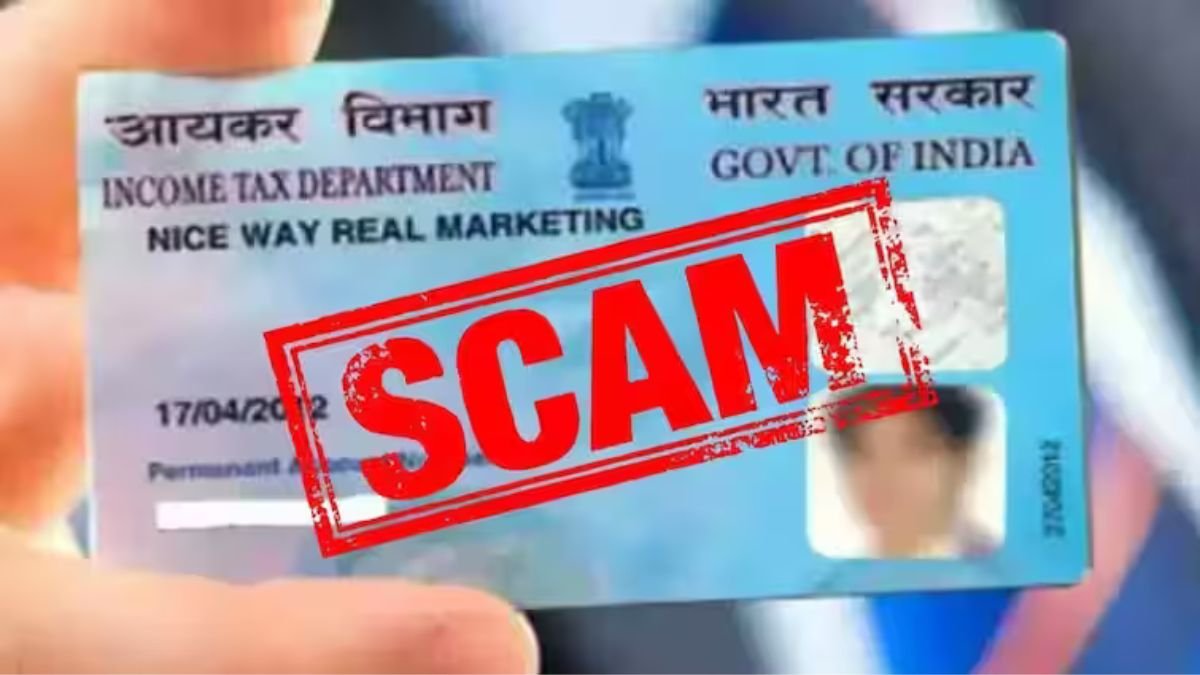

Cases of PAN card misuse are increasing rapidly across the country, where fraudulent loans are being taken in the names of individuals without their knowledge. This is directly impacting their credit scores, causing serious difficulties in accessing banking and financial services. This emerging cyber fraud trend is now becoming a major concern, as identity theft is increasingly being used to disrupt people’s financial lives.
The PAN card is no longer just a tax-related document; it has become one of the most critical identifiers in banking and financial systems. Banks, NBFCs, and digital lending platforms mandatorily use PAN details for loans, credit cards, and other financial services. As a result, if PAN-related data falls into the wrong hands, it can be misused with relative ease. With the rapid growth of digital transactions, this risk has only intensified.
FCRF Academy Launches Premier Anti-Money Laundering Certification Program
According to reports, cybercriminals first collect personal data through various methods, including data leaks, phishing links, fake websites, and social engineering techniques. Using this stolen information, they combine PAN card details, Aadhaar numbers, mobile numbers, and other documents to create a fake identity. This identity is then used to complete digital KYC processes, allowing fraudulent loans to be sanctioned from banks or NBFCs, often without the victim’s knowledge.
The most alarming stage occurs when these fake loans are recorded in credit bureaus such as TransUnion CIBIL, Experian, or Equifax. After this, the real individual suddenly begins to see a drop in their credit score. In many cases, victims only become aware when they receive recovery calls from banks or face rejection while applying for new loans. This entire fraud often continues undetected for months, increasing the financial damage.
This type of fraud is not limited to financial loss alone; it severely damages an individual’s entire financial record. It can negatively impact tax filings, loan eligibility, and access to banking services. In some cases, victims also face legal and administrative complications. Experts believe this is evolving into a broader form of identity-based cybercrime.
Cybercrime expert and former IPS officer Professor Triveni Singh warned that PAN and Aadhaar data have now become highly sensitive digital assets. He stated, “Cybercriminals are using these documents to create fake identities and target the entire financial ecosystem. If individuals do not regularly monitor their credit records, such frauds may go undetected for a long time.” He further emphasized that awareness and digital caution are the most effective defenses against such crimes.
In this context, the Future Crime Research Foundation has also highlighted growing concerns through its research and reports. According to the foundation, identity-based cybercrimes in India are increasing rapidly and could become one of the biggest financial cyber threats in the coming years. The organization stresses that without strengthening data protection systems, awareness campaigns, and technological monitoring, controlling this issue will be extremely difficult.
Experts recommend that individuals regularly check their credit reports to detect any unauthorized loans or suspicious credit activity at the earliest stage. If there is a sudden drop in credit score or any unfamiliar entry is found, immediate action should be taken by informing the bank, credit bureau, and filing a complaint on the cybercrime portal.
Additionally, regular monitoring of Form 26AS, bank statements, and digital transactions is essential. People should avoid sharing PAN or Aadhaar details on unknown websites and should only use secure and verified platforms. Strong passwords and two-factor authentication can further reduce the risk of such frauds.
At present, the number of such cases is steadily increasing across the country, and financial institutions are viewing this as a serious challenge. With the expansion of the digital economy, cybercrime is also becoming more complex. In this environment, awareness, vigilance, and timely monitoring remain the most effective measures to stay protected from this growing threat.
Follow for daily updates on cybercrime, corporate fraud, DFIR, hacking, investigations, and digital forensics
